Fashionable outfits for women over 50 should not require beige basics, apologetic silhouettes, or a body that matches a retailer's favorite fit model. If you are plus-size, you already know the real problem: many brands grade a straight-size pattern outward, then act surprised when the armholes pinch and the bust pulls. The body's not the problem. The pattern is.
I spent nine years buying plus-size clothing, arguing with factories about shoulder width, sleeve shape, and usable grading between sizes. Now, when I build a wardrobe for a client, I look at construction before the label. A good outfit should let you sit through a meeting, walk across a parking lot, and enjoy dinner without adjusting it every six minutes.
Start with the pattern, not the size tag
A size number tells you almost nothing by itself. Two garments marked 3X can differ by several inches in bust, hip, and upper-arm circumference. Sizing is not standardized, and plus-size pattern grading often gets especially careless above a 14 or 16. The factory enlarges the width but leaves the shoulder-to-bust ratio nearly unchanged. That is why a blouse can fit across your middle while the neckline creeps backward.
When shopping, check three areas first: shoulder width, bust ease, and armhole depth. The shoulder seam should sit near the actual shoulder rather than sliding toward your upper arm. Across the bust, look for enough room to move without strain lines between the buttons. An armhole that is too small restricts movement; one that is too deep can pull the entire garment downward.
Universal Standard has built much of its reputation around consistent size ranges, though individual styles still need scrutiny. ELOQUII has offered strong occasion and workwear pieces in extended sizes, with fit varying by collection. Old Navy Plus can be useful for affordable separates, but fabric weight and cut deserve a closer inspection. No brand gets every pattern right. That is not a character flaw on your part; it is a reason to read garment measurements.
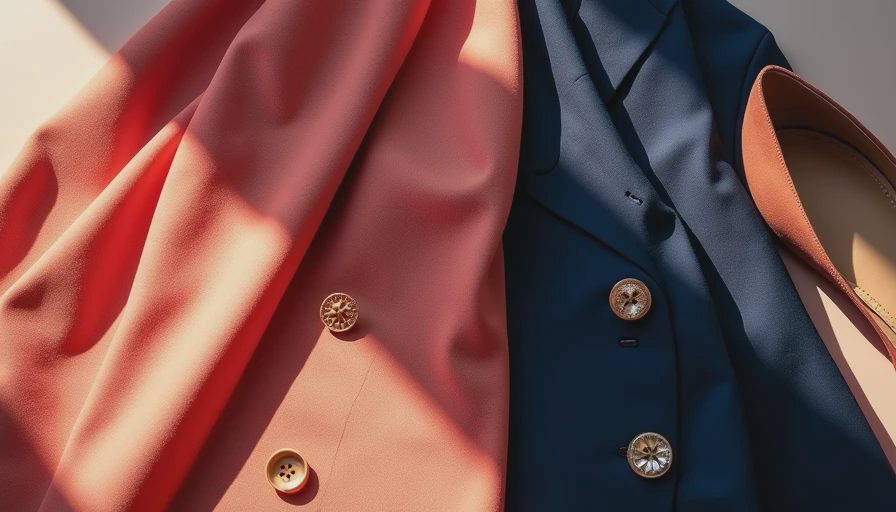
Fashionable outfits for women over 50 need a useful foundation
The most practical wardrobe foundation is not a capsule of identical black pieces. It is a small group of garments that work together without making every day feel like a uniform. Try a fluid knit jacket with straight-leg trousers, a printed blouse with dark denim, and a column dress under a cropped cardigan. Each combination gives you structure, color, and movement without relying on a prescribed body shape.
For work, ponte trousers can be excellent when the waistband is wide enough and the fabric has recovery. Look for a substantial knit rather than a thin jersey that clings to every seam and loses its shape by lunch. Pair them with a knit blazer or an unlined jacket with a defined shoulder. A blazer should close comfortably at the bust; if it only works open, buy for the larger measurement and have the side seams adjusted if the rest of the fit is sound.
A dress can simplify dressing, but the details matter. A wrap-inspired neckline, princess seams, or a waist seam placed where your body actually bends can improve comfort. That does not mean every woman needs a waist emphasis. If you prefer a shift, choose one with a clean shoulder and enough hip ease. Style is not a test you pass by recreating someone else's proportions.
Build outfits around color and texture
Many fashion guides for mature women retreat into navy, black, and oatmeal. Those colors can be useful, but a wardrobe without contrast can feel lifeless. Try a cobalt sweater with olive trousers, a rust blouse under a chocolate jacket, or a jewel-tone dress with a patterned scarf. Color is not an age category. Neither is shine, print, or a dramatic sleeve.
Texture does practical work. A ribbed sweater creates visual interest without requiring extra accessories. A suede-look jacket, denim shirt, or boucle cardigan can make a simple outfit feel intentional. When buying prints, inspect the scale and placement. A pattern should be printed across the full garment rather than awkwardly interrupted at the bust or hip. This is a production issue, not a personal failing; factories often use a single print layout across multiple sizes.
Accessories can also bring proportion into the conversation. A substantial handbag, longer pendant, or medium-width belt can balance a jacket or dress. Avoid rules claiming that women over 50 must wear delicate jewelry. If you like a large cuff or bright red shoe, wear it. The best accessory is usually the one that makes you stop fussing with the outfit.
Fashionable outfits for women over 50 for real workdays
A professional wardrobe needs more than a single “special occasion” suit. Consider a three-piece rotation: one washable jacket, two pairs of trousers, and three tops in different colors. Add a knit dress for days when coordinating separates sounds exhausting. This creates several outfits while keeping laundry and morning decisions manageable.
For plus-size clients, I often look for jackets with a back vent, sleeves that can be pushed up without collapsing, and lining that does not catch on a blouse. A jacket with some stretch can be more useful than a rigid traditional blazer, particularly if you drive or spend time at a desk. Brands such as Universal Standard and City Chic have offered workwear options in broader size ranges, while retailers like Nordstrom can be useful for comparing multiple designers in one place.
Shoes deserve equal attention. A low block heel, polished loafer, sleek sneaker, or ankle boot can all work in a professional wardrobe. Choose based on your commute, workplace, and actual walking habits. An expensive shoe that stays in the closet is not more sophisticated than a reliable pair you wear weekly.
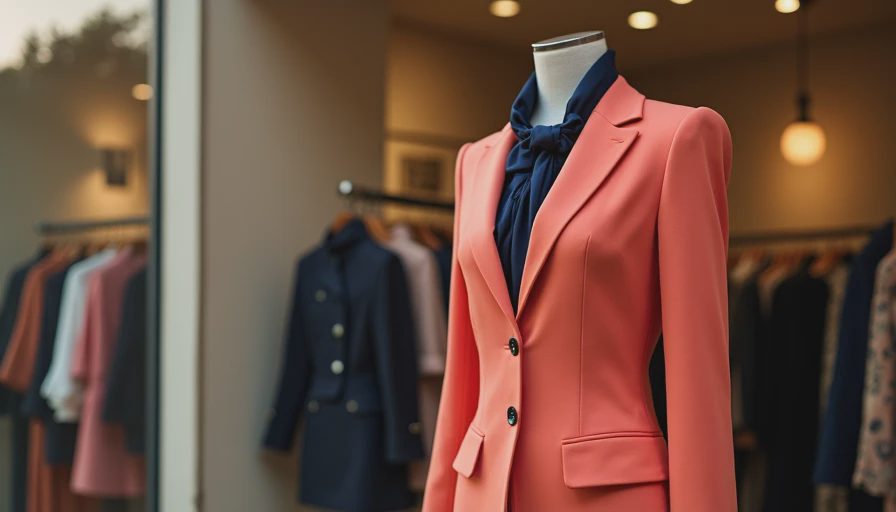
Weekend and evening combinations without costume dressing
Fashionable outfits for women over 50 should have room for ordinary pleasure: brunch, a museum, a family gathering, or a windy evening near the water. Start with a garment you genuinely enjoy, then create the outfit around it. A satin skirt can work with a cotton sweater and sneakers. A graphic tee can work beneath a tailored jacket. Wide-leg jeans can look polished with a tucked shirt and a substantial belt.
For evening, fabric often matters more than decoration. Velvet, crepe, silk-blend satin, and textured knits can make a simple shape feel special. Look at seam placement and lining before falling for sequins. If beads scratch your arms or a lining twists at the hips, the garment is not serving you. A clean neckline and well-cut sleeve can be more memorable than excessive embellishment.
I also recommend checking care instructions before buying. A dry-clean-only blouse may look beautiful but become impractical if you need it twice a month. Machine-washable pieces with good recovery often earn more wardrobe mileage than delicate garments reserved for a future event.
A fitting-room process that saves money
Take two or three nearby sizes into the fitting room, even when you are certain about your usual label. Start with the largest measurement, then assess the shoulder and armhole. Sit down, raise both arms, reach forward, and walk several steps. Look for pulling at the bust, twisting side seams, gaping buttons, and waistbands that roll when you sit.
Read the fiber content. A little elastane can improve movement, but it cannot rescue a fundamentally poor pattern. Check whether seams are finished cleanly, whether a lining stops short of the hem, and whether the fabric is opaque under store lighting. If you order online, photograph the garment measurements and compare them with a piece you already own.
The best fashionable outfits for women over 50 are not defined by age-based rules. They are built from clothes that respect your measurements, your schedule, and your taste. Try the vivid jacket. Buy the wide-leg trouser. Wear the necklace that feels like you. Then let the pattern do its job.



No notes yet — write the first one.