
The Ugly Truth Behind Those “Free Returns” Policies
Hey friend, pull up a chair. If you’ve ever ordered six tops online, kept one, and spent twenty minutes photographing the rest for return labels while muttering under your breath, you’re not alone. I lived on the other side of that process for nine years as a plus-size buyer at Torrid. I saw the spreadsheets. I sat in the meetings where we dissected return reasons by SKU, size, and color. And let me tell you — the data brands publish in their glossy sustainability reports? That’s marketing fluff. The real numbers? They’re buried deeper than last season’s clearance racks.
Today I’m cracking open the vault a little. Not to shame any specific brand (though some deserve a side-eye), but to arm you with the knowledge I wish I could have shouted from the fitting room ceilings back then. Because understanding why things get returned is the fastest way to stop wasting your time and money.
What the Return Data Actually Showed Us
In my years buying for one of the biggest plus-size retailers in the US, we tracked returns obsessively. Overall category return rates for plus-size apparel hovered between 28% and 42%, significantly higher than straight-size averages (usually 15-25%). Why the gap? It wasn’t because plus-size women are “pickier.” It was because the clothes were built wrong.
The top three return drivers in our internal data:
Fit issues — 58-67% of returns across most categories.
Fabric/quality problems — around 22%.
“Not as pictured” or expectation mismatch — the rest.
But here’s where it gets interesting. When we sliced the data by size band, the nightmare really began above size 20. A style that returned at 18% in sizes 14-18 could jump to 51% in 24-30. The pattern grading shortcuts were showing up in the return bin loud and clear.
I remember one particular woven blazer that tested beautifully on our size 16 fit model. We launched it with high hopes. By week six the return rate in larger sizes was pushing 63%. Customers kept saying the same thing: “Armholes cut into my shoulders,” “Pulling across the back,” “Feels tight when I sit.” We had graded it by simply scaling up the pattern without adjusting key proportions. Classic mistake. Expensive lesson.
The Armhole Epidemic and Other Pattern Sins
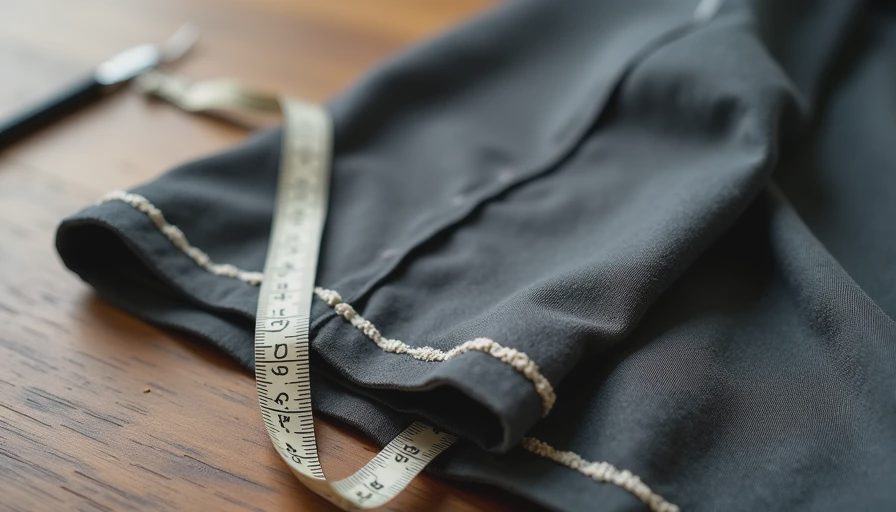
Let’s talk armholes, because they deserve their own TED Talk. In plus-size manufacturing, a common cost-saving move is keeping the same armhole depth and curve across all sizes while just widening the body. Sounds logical until you realize that as bust and upper back circumference grow, the shoulder point needs to shift outward and the armhole needs to drop and reshape.
When brands skip that work, you get the dreaded “wing flap” or the opposite — armholes so high they amputate circulation. Our data showed armhole-related fit comments spiked dramatically past size 22. One season we had a top with a 2-inch armhole depth increase needed between size 18 and 26. The factory pushed back hard on cost. I fought for it. We compromised at 1.25 inches. Return rate still climbed.
Pro tip from the buyer’s desk: Next time you try on a top or dress, raise your arms like you’re hailing a cab. If the hem shoots up to your bra band or the armhole cuts painfully, that’s poor grading talking. Walk away. Your future self (and return portal) will thank you.
Fabric Choices That Look Great on the Hanger, Die in Real Life
Another dirty secret: many brands use the same base fabric across sizes but don’t adjust weight or stretch appropriately. A beautiful ponte knit that drapes like a dream on a size 14 can turn into sausage casing by size 24 because the stretch percentage wasn’t scaled with the pattern.
We once had a popular pant in a mid-weight twill. In smaller sizes it was a bestseller. In larger sizes the return reason “too stiff / doesn’t move with me” dominated. The fabric simply couldn’t handle the increased stress at stress points (thighs, seat, knees) without reinforcement or different construction.
I started bringing larger fit samples to fabric shows and physically stretching them in the booth. Vendors hated me. My team loved the fewer returns that resulted.
The Fit Model Reality Check
Most plus-size brands still primarily fit on a size 14-18 model and then mathematically grade up. That works okay until you hit the real divergence points around size 20-22. Bodies aren’t just bigger versions of a size 14 — proportions shift. Bust-to-waist ratios change. Shoulder-to-bust relationships evolve.
The brands quietly using larger fit models (24+) had noticeably lower return rates in our competitive analysis. One competitor who invested in multiple fit models across the size range consistently beat us on fit-related returns by 12-18 percentage points. Their secret? They actually listened to the data their own customers were sending back in the form of returns.
How to Weaponize This Knowledge When Shopping
You don’t need my old spreadsheets to shop better. Here’s what to look for:
Brands that mention “graded for plus sizes” or show size-specific measurements — they’re at least trying.
Review sections with photos across multiple sizes — gold.
Flexible return policies — yes, but use them as a last resort, not a crutch.
Fabric content and weight listed clearly — heavy on the “4-way stretch” marketing usually means they know their grading isn’t perfect.
When I left Torrid and started styling real clients in my Baltimore studio, I applied these lessons ruthlessly. One lawyer client in size 26 had returned over $800 worth of work pants in the previous year. We rebuilt her wardrobe with six pairs that actually worked. Return rate for her personal shopping: zero.
The Human Cost of Bad Patterns
Beyond the dollars, there’s the emotional tax. Every time a woman orders something hopeful, tries it on, feels defeated, and packs it up again — that’s not just a return. That’s another dent in her confidence. I’ve been in the fitting room with clients who teared up because “even this brand that says they get us doesn’t get me.”
That’s why the signature line of this whole project exists: The body’s not the problem. The pattern is.
Every time a brand cuts corners on grading, they’re essentially telling plus-size women their bodies are the problem. I’m done with that script. My studio, this blog, the way I now approach every garment — it all starts from the opposite premise.
What Brands Should Do (And What You Can Demand)
If I could send one memo to every plus-size design team:
Use multiple fit models across the full size range.
Invest in proper pattern grading education and software that accounts for body shape changes.
Publish more transparent measurements — not just “bust” but shoulder width, armhole depth, across-back, etc.
Stop using “vanity sizing” to hide bad patterns. Just make better patterns.
Until that happens, vote with your wallet and your reviews. Share photos in different sizes. Be specific in feedback. The data speaks when enough of us make noise.
My Favorite “Low Return” Heroes
Some brands quietly do this better. Universal Standard’s consistent block across sizes, certain Eloquii suiting pieces that respect shoulder-to-bust ratios, and a few smaller independents who actually test across 14-30. I’ll dive deeper into specific recommendations in future Rack posts, always backed by real multi-size testing.
Closing the Loop (Literally)
Looking back at those return spreadsheets still makes me laugh and cringe. So much money, time, and emotional energy wasted on patterns that were never designed for the bodies buying them. But every painful lesson became fuel for the work I do now — helping women find clothes that actually fit their lives and their bodies.
Next time you’re staring at a return label, remember: it’s not you. It’s rarely even the individual garment. It’s the pattern that came before it.
The body’s not the problem. The pattern is.
And now you know what the numbers say when brands think no one’s looking.


No notes yet — write the first one.