Womens work pants are supposed to let you sit through a budget meeting, climb two flights of stairs, and carry your phone without requiring constant adjustment. Yet the plus-size customer is still routinely handed a scaled-up version of a smaller pattern, then blamed when the waistband rolls or the pockets gape. I spent nine years in plus-size buying, and I can tell you plainly: the body's not the problem. The pattern is.
When I assess womens work pants, I start with shoulder width out of habit, then move to the waist-to-hip ratio, rise, thigh circumference, and fabric recovery. A size label tells you almost nothing by itself. Two pairs marked 22 can differ by several inches in the waistband and still be considered consistent inside a brand's production system. That is why a careful fit check matters more than a familiar number.
Why the Pattern Matters More Than the Size Tag
The most common industry shortcut is simple scaling. A pattern designed around a smaller fit model gets enlarged at a fixed rate, even though bodies do not expand like a photocopy. The result is often a waistband that fits while the seat pulls, or a roomy thigh paired with a rise that ends several inches too low.
Proper grading adjusts multiple points together. The front rise, back rise, crotch curve, knee width, and pocket placement should change in proportion as sizes increase. Armhole curves matter in jackets, but trouser construction has its own geometry: a deeper back rise, enough room through the thigh, and a waistband shaped to follow the body instead of cutting across it.
Look for brands that publish garment measurements rather than only body-size charts. Universal Standard is known for a broad size range and consistent measurement information, while Eloquii has often offered trouser cuts designed specifically for plus-size proportions. Neither brand gets every style perfect, but their design intent is more useful than a generic pattern simply enlarged at the factory.
The Features I Want in Womens Work Pants
Start with the fabric. A woven blend containing elastane can provide movement, but stretch is not a substitute for room in the pattern. Around 2 to 5 percent elastane is common in office trousers; what matters is whether the fabric returns to shape after sitting. If the knees bag after one commute, the garment did not have enough recovery for real life.
Next, inspect the waistband. A contoured waistband usually sits more securely than a straight strip, particularly when the difference between waist and hip measurements is significant. Wider bands can distribute pressure, but width alone does not guarantee comfort. Run your hand along the inside seam and check for stiff elastic, bulky overlocking, or a closure that digs when you sit.
Pockets deserve their own inspection. A slanted pocket opening that pulls apart while standing is a construction warning, not evidence that your body is somehow asking too much of the garment. Many office pants use shallow pockets because pattern makers prioritize a smooth front. I prefer deep front pockets secured into the side seam, plus a back pocket that can hold a transit card without dragging the fabric downward.
Rises, Hems, and the Sitting Test
A mid-rise is not one universal location. On one person it lands below the natural waist; on another, it may sit directly at the waistline. Try womens work pants while seated, not just standing in a fitting room. The back waistband should stay connected to your body without exposing a gap, and the front should not form a tight horizontal crease.
Check the hem with the shoes you actually wear. A straight-leg trouser that ends at the ankle can look intentional with loafers but feel awkward with a low block heel. For a traditional office silhouette, the hem often works best when it reaches the top of the shoe without pooling heavily. Cropped wide-leg pants need enough volume and structure to keep the leg line balanced as you walk.
If you order online, measure a pair you already wear comfortably. Lay it flat, measure the waistband from edge to edge, double that number, and record the front rise from the crotch seam to the top edge. Measure the inseam separately. These numbers give you a better comparison than assuming your usual size will behave the same way at Torrid, Lane Bryant, Old Navy Plus, or a department-store label.
Brands and Cuts Worth Investigating
For a polished capsule wardrobe, I would investigate Universal Standard for ponte or stretch woven trousers, Eloquii for office-focused cuts, and Lane Bryant for classic straight-leg and bootcut options. Old Navy Plus can be useful for lower-cost basics, especially when you need several colors for a workweek rotation, though fabric weight and pocket construction deserve closer inspection.
Torrid often does well with stretch and comfort-driven silhouettes, but I would examine each trouser individually rather than assuming the entire line fits identically. That inconsistency is common because different factories, fabrics, and production seasons can alter the final result. A pair that worked beautifully last year may return with a narrower thigh or a shorter rise after a sourcing change.
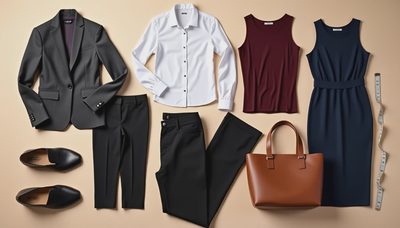
For a first purchase, black, navy, charcoal, and a deep brown usually create more outfit combinations than novelty colors. A straight leg works with a tucked blouse, knit shell, blazer, or sweater. A wide leg can be excellent when the waistband is stable and the fabric has enough weight to fall cleanly. The right choice is the one that supports your schedule and your preferences, not a rule about which shape your body is allowed to wear.
A Five-Minute Fit Check at Home
Put on the pants with the underwear and shoes you normally wear to work. Sit for five minutes, stand, walk across the room, and climb a few stairs if you can. Watch for a waistband that rolls, a fly that bows outward, pocket bags that show through, or seams that twist toward the front of your legs.
Then reach into every pocket. If your hand cannot fit comfortably, the pocket is decorative in practice. Bend your knees and check whether the fabric becomes transparent under tension. Finally, look at the side seam. It should hang reasonably straight from hip to hem instead of curving sharply toward the front or back.
Take notes on the actual measurements and construction details. If one brand's 22 fits your waist but another's 22 fits your thigh, that is valuable information about their grading, not a reason to question your body. Womens work pants should be tools for your day: dependable, comfortable, and capable of surviving meetings, commutes, lunch spills, and a full afternoon at a desk.
Build a Rotation That Earns Its Closet Space
Three reliable pairs can cover most professional wardrobes: one dark straight-leg pair, one softer ponte option, and one lighter neutral or patterned trouser if your workplace allows it. Rotate them instead of washing every pair after one wear. Hang trousers by the waistband or fold them along the crease so the fabric can recover between workdays.
Pay attention to repairs early. A loose button costs minutes to fix; a weakening seat seam can end a pair unexpectedly. Keep a small sewing kit at home and reinforce buttons before they pull through the fabric. When a cut works, record its fabric blend, rise, inseam, and size before shopping for another color.
The best womens work pants are not the ones that make you disappear. They are the ones that let you take up appropriate space in a conference room, move through your day without tugging, and spend your attention on the work itself. Start with measurements, judge the pattern, and let the label be the least interesting detail.
No notes yet — write the first one.