Outfits for women over 50 do not need to follow a beige, shapeless uniform. You can wear color, denim, prints, leather, sneakers, or a dramatic sleeve at any age. The real question is not whether a trend is "age appropriate." It is whether the garment was designed with enough room through the bust, a sensible shoulder-to-bust ratio, and fabric that behaves when you move.
I spent nine years negotiating fit specs in the plus-size industry, and I still reach for the shoulder measurement before I look at a size label. The body's not the problem. The pattern is. That principle matters even more when you are building a wardrobe that needs to work for meetings, errands, dinners, travel, and the occasional event where you want to wear the good earrings.
Start with the pattern, not the size tag
Many outfits for women over 50 fail before they reach the fitting room because brands grade patterns too mechanically. A size 6 block gets enlarged, but the armhole curve, upper back, bust point, and sleeve cap do not receive the engineering they need. The result is a blouse that pulls across the chest, a jacket that collapses at the shoulder, or a knit top that rides up every time you sit down.
Look for shoulder seams that sit at the actual shoulder edge, not several inches down the arm. A woven shirt should close without strain across the fullest part of the bust. In a jacket, you should be able to cross your arms without feeling the lining tug. These checks tell you more than a small, medium, or 2X label ever will.
For plus-size shoppers, Universal Standard is often useful for a broad size range and clean wardrobe foundations. Torrid can be strong for expressive color and occasion pieces, though individual cuts still deserve a proper try-on. Eloquii has offered polished workwear with more room in the bust and hip than many traditional retailers. Read garment measurements, not just the size chart, because two brands can label the same number while giving you very different shoulder widths.
Build outfits around three reliable anchors
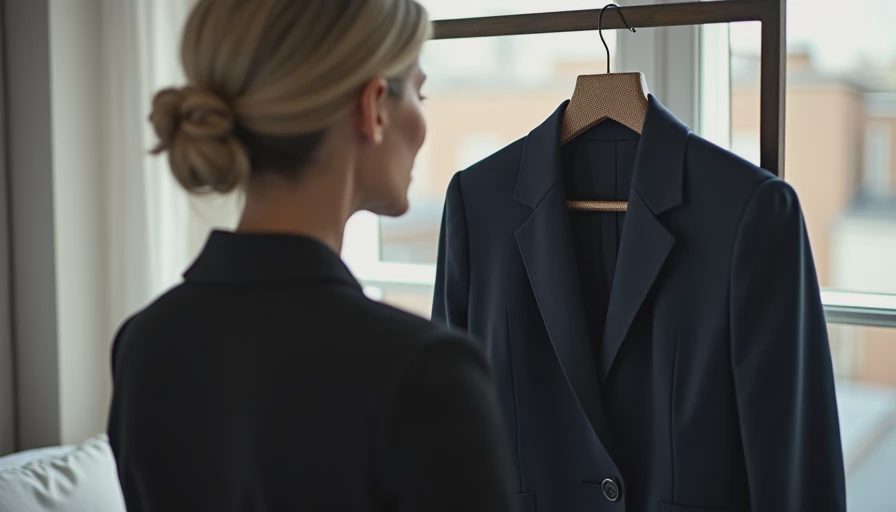
The most useful outfits for women over 50 usually begin with an anchor: a jacket, a pair of trousers, or a dress with enough structure to carry the rest of the look. From there, add one piece with softness and one piece with personality.
Try a navy ponte blazer, a silky printed shell, and straight-leg jeans. Try wide-leg black trousers with a crisp white shirt and a bright shoe. Try a midi dress with a cropped denim jacket and a substantial belt worn where it feels comfortable, rather than where a magazine says it should sit. None of these combinations require you to dress smaller, younger, or quieter. They require proportion.
If your outfit feels unfinished, change the third piece before buying five more tops. A long cardigan, lightweight utility jacket, vest, or unlined blazer can create a complete look from a simple base. The third piece should have enough ease through the upper arm and back. A garment that cuts into your armhole will make even excellent clothing feel like a punishment.
Use color with intention, not permission
Color is one of the easiest ways to make outfits for women over 50 feel current without chasing every trend. Start with a personal base: chocolate brown, navy, charcoal, olive, cream, or black. Then add colors you genuinely enjoy. Cobalt, tomato red, emerald, lavender, and marigold can all work beautifully when the fabric and fit are right.
A simple formula is one strong color, one neutral, and one texture. A cobalt sweater with charcoal trousers and a suede loafer has energy without requiring complicated styling. A cream blouse, olive pants, and a red handbag says more than a closet full of gray basics. If a print makes you smile in the mirror, it has already done something useful.
Pay attention to fabric contrast. Matte ponte beside satin, denim beside silk, or cotton poplin beside leather creates visual interest. Texture also helps an outfit look considered when the silhouette is simple. You do not need a closet of statement pieces; you need a few pieces that are willing to speak clearly.
The best silhouettes leave room to move
When I evaluate outfits for women over 50, I look for movement first. Can you sit, reach, drive, raise your arms, and carry a bag without adjusting the garment every few minutes? A good pair of pants should have enough ease at the thigh and a waistband that stays put. A dress should skim the body without requiring constant tugging. A sleeve should accommodate the upper arm without turning the armhole into a vise.
This is where fabric matters. Cotton poplin gives a shirt structure, but it needs a thoughtful cut. Ponte offers recovery and polish for trousers or jackets. Linen blends breathe and usually resist the severe wrinkling of pure linen. Tencel and rayon can drape beautifully, though thin versions sometimes cling or show every seam. Hold fabric up to light, check the recovery after stretching, and inspect the inside seams. Loose threads and twisting side seams are not charming details; they are construction warnings.
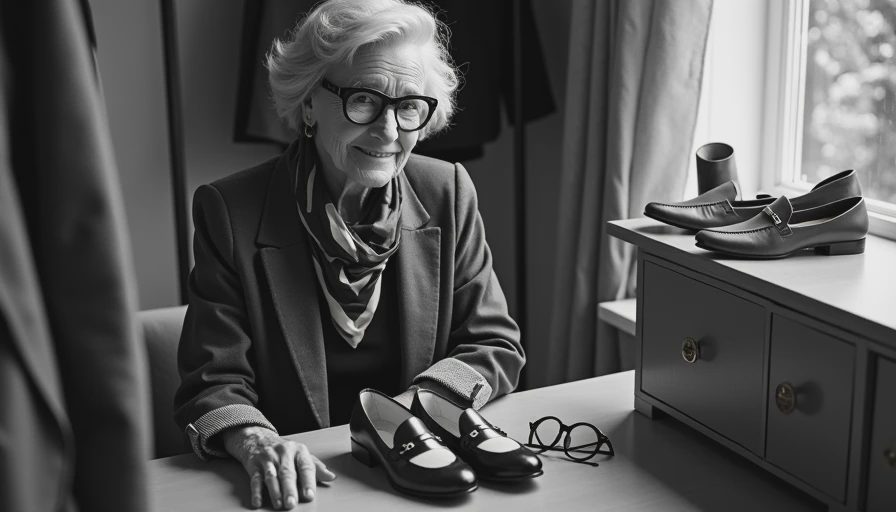
For footwear, prioritize a stable sole and a shape that lets your toes spread. A leather sneaker, low block heel, refined loafer, or supportive ankle boot can anchor an outfit better than an uncomfortable shoe chosen only because it is technically dressy.
A practical wardrobe formula for work and weekends
A compact wardrobe can produce dozens of outfits for women over 50 when the pieces share a color story. Start with two pairs of pants, one dark jean, one skirt or dress, two jackets, three tops, and two pairs of shoes. Choose silhouettes that layer without bulk and fabrics that do not demand constant ironing.
For work, pair a jewel-tone shell with navy trousers and a collarless jacket. For a casual Friday, keep the jacket and change into dark jeans with a striped tee. For dinner, wear the same trousers with a satin camisole under the jacket and add earrings with scale. On the weekend, combine the tee with the jeans, a utility jacket, and sneakers. The clothes are doing multiple jobs, which is a sign of good buying rather than limited style.
Brands such as Lane Bryant and Old Navy Plus can be useful for accessible basics, while Universal Standard often provides a more elevated foundation. Department stores can be worth checking for extended-size designers, especially when you search by garment measurements rather than browsing only the main size filter.
Try on like a buyer, not a disappointed customer
The fitting room is a test lab. Bring two sizes when possible, but do not assume the larger one is automatically better. Check the shoulder, bust, armhole, seat, and hem separately. Sit in trousers. Walk ten steps in a dress. Put your arms forward in a jacket. Look at the back in a second mirror or use your phone camera.
If a shirt fits at the bust but gaps between buttons, the issue may be the button placement, not your body. If a jacket fits at the shoulders but pulls across the back, the pattern may have insufficient upper-back ease. If a dress twists at the side seam, it may be poorly balanced. These are construction and grading problems, not personal failures.
Take notes on what worked: a 30-inch inseam, a higher armhole, a contoured waistband, a relaxed sleeve. Those details become more useful than a brand's marketing language. Over time, you build a personal fit vocabulary that makes shopping faster and less emotionally exhausting.
Style should support the life you already have
The best outfits for women over 50 are not costumes designed to prove anything. They are clothes that let you teach, lead, travel, host dinner, walk through a farmer's market, or sit on a porch with people you love. They can be polished without being precious and comfortable without looking like an apology.
Choose the color you keep reaching for. Buy the jacket that lets you move. Replace the blouse whose armhole has been irritating you for three years. When a brand gets the grading right, tell your friends and buy the garment in another color if you will genuinely wear it. When it gets the pattern wrong, leave it behind without blaming yourself.
That is the foundation of outfits for women over 50: clear personal taste, useful construction, and room for an actual human body to exist. The body's not the problem. The pattern is.



No notes yet — write the first one.