Finding petite plus size clothing should not mean choosing between sleeves that swallow your hands and pants that require a tailor. If you are shorter and wear plus sizes, the issue is usually not your body. It is the pattern. Brands often grade width generously while leaving the vertical measurements nearly untouched, creating garments that fit around the middle but miss everywhere else.
I spent nine years as a plus-size buyer at Torrid, and I learned to ignore the size tag until I had checked the shoulder width, bust circumference, rise, and inseam. Petite construction is not simply plus-size clothing made shorter. It requires a different relationship between those measurements. The body's not the problem. The pattern is.
What makes petite plus size clothing different
A petite garment is designed around a shorter overall frame, often under about 5 feet 4 inches, though height alone does not determine your proportions. The shoulder line may be narrower, the armhole shallower, the bust point higher, and the torso shorter. A petite plus pattern also needs careful adjustments to the rise, knee placement, sleeve length, and hem position.
Here is where the industry gets lazy. A factory may start with a straight-size block, enlarge it for a plus customer, and then shorten the finished garment by a few inches. That approach ignores how width and height interact. The result is a jacket with a reasonable bust measurement but a dropped shoulder, or jeans with an acceptable waist and a knee break several inches too low.
Good petite plus size clothing changes the pattern before production. The armhole curve should support movement without cutting into the underarm. A blouse's bust point should land near your actual bust rather than several inches below it. A dress waist should sit where the design intends, not somewhere near your hip.
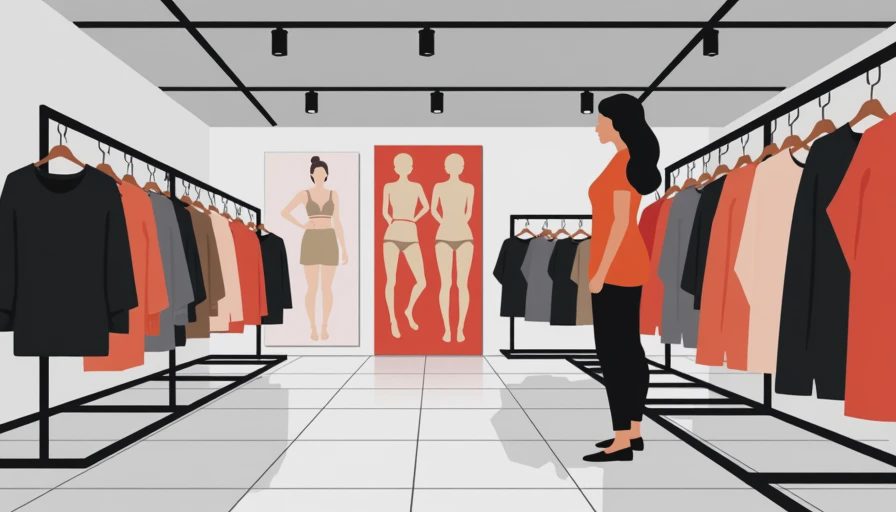
How to check fit before buying
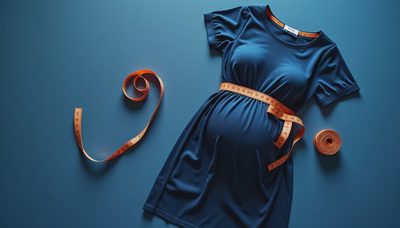
Start with a tape measure and three garments you already like. Measure the shoulder seam from one edge to the other, the underarm-to-hem length, the front rise, and the inseam. Record those numbers in your phone. They are more useful than a brand's vague promise that an item is “proportional.”
For petite plus size clothing, pay close attention to garment measurements instead of relying on a universal size chart. A 20P at one retailer can have a 44-inch bust, while another 20P may be closer to 47 inches. Neither number is morally better; they simply serve different bodies and fit preferences.
Look at model photography, but do not treat it as proof. A model may be wearing clips, pins, or a sample size that was adjusted for the shoot. Product reviews can reveal practical details: sleeves ending at the wrist, pockets sitting too low, or a waistband rolling when someone sits. Those comments are often more valuable than polished studio images.
When shopping online, choose retailers with clear garment measurements and straightforward returns. Universal Standard is known for broad size availability, while ELOQUII has offered petite options in selected categories. Old Navy sometimes carries petite plus denim and workwear, though the range changes by season. Check the actual product page rather than assuming every item follows the same block.
The measurements that matter most
Shoulder-to-bust ratio is one of the biggest clues. If your shoulders fit but the bust pulls, the garment may have been graded primarily through the side seams instead of receiving enough room through the front. If the bust fits but the neckline gaps, the pattern may have too much length between the shoulder and bust point.
Armhole depth deserves equal attention. An armhole that is too deep can make a petite jacket collapse at the side seam and force you to lift the whole garment when reaching forward. An armhole that is too shallow restricts movement. In a well-made petite plus top, the curve should follow the body while leaving enough ease for an ordinary day at work.
Pants need a complete inspection. Check the front rise, back rise, inseam, thigh circumference, and knee placement. A petite customer may need a shorter inseam but not a dramatically shorter rise. Cropped trousers can work well when the hem is intentionally placed, but randomly shortened pants often look unfinished because the pocket and knee details remain in the wrong locations.
Brands and shopping strategies worth testing
No brand gets every category right, so approach petite plus size clothing as a measurement project rather than a loyalty test. Torrid has useful denim and casual staples, but compare each cut because rises and leg shapes differ. Lane Bryant has historically offered workwear in petite lengths, although availability can be uneven. Talbots Plus has carried petite proportions in selected collections and is worth checking for structured jackets and trousers when the measurements line up.
For basics, look for fabrics with recovery rather than flimsy stretch that loses shape by lunchtime. A ponte blazer can provide structure without demanding perfect tailoring. A woven shirt with a back pleat may give room across the bust without adding excess length. For dresses, a defined shoulder seam and adjustable straps are practical features, not decorative extras.
If a garment fits in the bust and waist but needs a two-inch hem, tailoring can be sensible. If the shoulder, armhole, and bust point are all wrong, alterations become expensive quickly. A local tailor may charge $15 to $30 for a basic hem and $40 to $90 for more involved sleeve or side-seam work. Spend that money on a strong garment, not on rescuing a bad pattern.
Building a petite plus work wardrobe
Start with pieces that tolerate small adjustments: ankle pants, knit dresses, cropped jackets, and tops with adjustable cuffs. A 25-inch inseam may work better than a standard 29-inch inseam if you want the ankle visible, but measure your preferred shoes before ordering. Pants intended for flats can land differently when worn with boots.
For a professional wardrobe, try one dark trouser, one straight-leg jean, two tops, a cardigan, and a jacket with a clean shoulder seam. Photograph each outfit from the side while seated and standing. You will spot excess torso length, a waistband that rolls, or a jacket hem that hits at an awkward point much faster than you will in a dressing-room mirror.
Petite plus size clothing should also work when you move. Sit at a desk, reach for a shelf, walk up stairs, and raise your arms. If the garment only succeeds while you stand still, it has not succeeded. Comfort and authority are not opposites; clothing that moves with you lets you focus on your meeting instead of tugging at a sleeve.
A buyer's checklist for better fit
Before purchasing, compare your measurements with the garment chart, then inspect the shoulder placement and length separately. Read reviews for comments about grading between sizes, fabric recovery, pocket position, and shrinkage. Look for real construction details such as lining, reinforced seams, functional cuffs, and a waistband that sits flat.
Order two nearby sizes when returns are free and compare them in the same clothing and shoes. Notice whether the larger size solves a bust issue while creating shoulder problems, or whether the smaller size restricts your arms. That comparison tells you whether the block suits you; it is not a judgment about which number belongs on the label.
The best petite plus size clothing makes your proportions an ordinary design consideration. You should not have to apologize for a hem, squeeze into a standard torso, or accept a dropped shoulder as the price of being visible. Measure first, question the pattern, and spend your money with brands that understand grading. Your body has been consistent all along. The industry needs to catch up.


No notes yet — write the first one.