If you are searching for how to stop thigh chafing, start by ignoring the advice that treats your body like an inconvenience. Chafing usually comes from friction, heat, moisture, or fabric seams pressing where they should not. It is not a failure of your body, and it is not a sign that you need to dress smaller. The body's not the problem. The pattern is.
I learned this during nine years as a plus-size buyer, when fit meetings regularly focused on scaling a straight-size block instead of designing for real proportions. A pair of shorts could measure correctly at the waist and still ride upward because the rise, leg opening, and thigh circumference were graded badly. The result was predictable: rolling hems, trapped heat, and irritated skin by lunchtime.
Why thigh chafing happens
Skin-on-skin friction is the obvious cause, but it is only one piece of the story. Sweat softens skin and increases drag. Rough seams, lace edges, exposed elastic, and synthetic fabric that holds heat can make a short walk feel like a full day of discomfort. Tight clothing is not always the culprit, either. Loose shorts can bunch into a narrow band, creating more rubbing than a smooth, close-fitting layer.
Pattern grading matters here. When a manufacturer takes a size 10 pattern and enlarges it without changing the curve of the inner leg, the garment may gain width at the waist but not enough room through the thigh. That is why one size can feel comfortable while the next size up cuts in at the leg opening. The label did not fail to describe you; the pattern failed to account for you.
For how to stop thigh chafing, look at the garment in motion. Sit, walk, climb stairs, and take a few long steps before deciding it works. If the hem rolls immediately, the leg opening is probably too narrow, the fabric lacks recovery, or the inseam is too short for your stride.
Choose the right anti-chafe layer
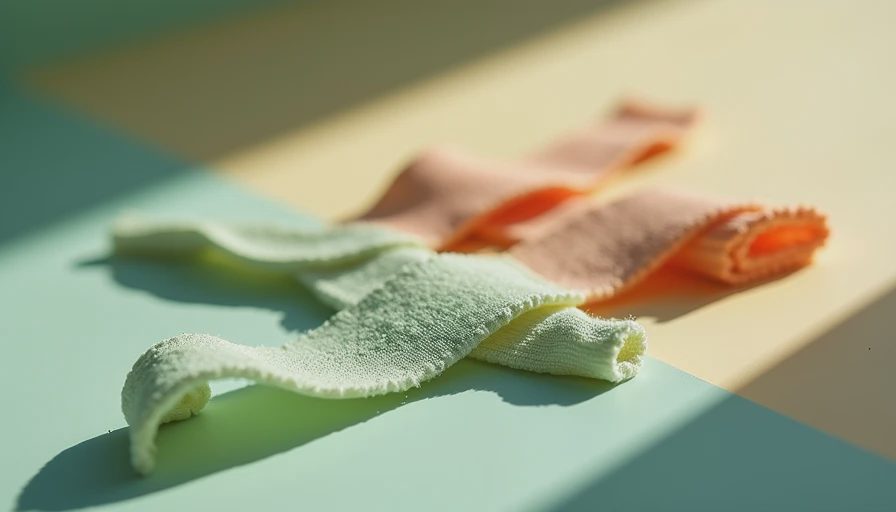
The most reliable clothing solution is a smooth, breathable layer that stays in place without squeezing. Look for bike shorts, slip shorts, or thigh bands made with a soft nylon blend, modal, cotton-spandex, or moisture-wicking performance fabric. A five- to eight-inch inseam often gives enough coverage for dresses and skirts without extending so far that it becomes visible below a shorter hem.
The waistband should lie flat, and the leg opening should have enough width to stay put without leaving a deep indentation. Wide bonded hems can feel better than narrow elastic. If you prefer thigh bands, brands such as Bandelettes make versions designed to reduce skin contact while remaining separate from your outfit. They are useful under dresses, though placement matters: too high and they can roll; too low and they can miss the rubbing point.
This is where how to stop thigh chafing becomes a fit question rather than a shopping slogan. Measure your waist and fullest thigh, then compare those numbers with the brand's garment measurements. Do not assume the same size works across Torrid, Jockey, Snag, Lane Bryant, and Old Navy. Their grading systems and fabric recovery can be dramatically different.
Use a barrier for hot, active days
A topical barrier can reduce friction before you get dressed. Anti-chafe balms such as Body Glide or Megababe create a slick layer that helps skin move without catching. A thin layer of petroleum jelly can also work for some people, although it may stain delicate fabrics and feel heavy in hot weather. Products containing dimethicone are another common option because they form a smooth protective film.
Apply the product to clean, dry skin along the areas that rub, then give it a moment to settle before pulling on clothing. Reapply after swimming, heavy sweating, or several hours of movement. Do not apply any product to broken, blistered, or actively irritated skin. For a new formula, test a small area first; fragrance and botanical ingredients can bother sensitive skin.
If irritation is already present, wash gently with lukewarm water, pat dry, and use a plain moisturizer or protective ointment. Avoid scrubbing, fragranced body wash, and tight waistbands while the skin recovers. Seek medical advice if redness spreads, pain becomes significant, drainage appears, or the irritation does not improve after a few days.

Make dresses and skirts easier to wear
Many readers ask how to stop thigh chafing specifically under professional dresses, because changing clothes halfway through a workday is not a realistic plan. Start with the hemline and fabric. A dress that floats away from the body can allow shorts to show, while a clingy knit can grab every layer underneath. A slip short in a matte, lightweight fabric usually creates less visible texture than a thick cotton bike short.
Check the dress's armhole and bust fit as well. When the upper pattern is too tight, the whole garment can pull upward as you move, shortening the hem and exposing the lower layer. This is a classic grading failure: the shoulder-to-bust ratio was scaled without enough room through the torso. A dress that fits your bust and stays level at the hem will make every anti-chafe layer work better.
For office outfits, I like a breathable slip short under a ponte dress, a lightweight woven midi, or a wide-leg jumpsuit. For summer, pair a moisture-wicking layer with a dress made from linen blend or cotton poplin. The goal is movement, not punishment.
A practical routine before leaving home
How to stop thigh chafing on a long day is easiest when you prepare before the first sign of irritation. First, check that your skin is clean and completely dry. Second, apply a thin anti-chafe barrier where friction usually starts. Third, put on a tested layer and walk around your home for five minutes. Sit in a chair, climb stairs, and bend at the waist. If the shorts roll during this test, they will not magically behave at noon.
Pack a small balm, an extra pair of slip shorts, or a soft cotton pair of underwear in your work bag. If you commute by foot or public transit, consider a longer inseam and a fabric with good recovery. If you work in a cool office but travel through humid weather, choose a layer that dries quickly rather than one that feels plush in the fitting room.
Do not ignore laundry care. Fabric softener can reduce the moisture-wicking performance of some technical fabrics, and high heat can damage elastic recovery. Follow the care label, wash after sweaty wear, and replace garments when the leg openings stretch out or the fabric develops rough pilling.
What to look for when shopping
When evaluating how to stop thigh chafing, inspect construction before color or trend details. Turn the garment inside out. Run your fingers over the inner seam, check whether the gusset is wide enough, and stretch the leg opening gently. A flat seam is usually more comfortable than a bulky overlock seam. A gusset can provide extra mobility, especially in shorts intended for walking or exercise.
I also recommend buying one garment first instead of stocking up during a sale. Wear it for a full day, wash it, and see whether it keeps its shape. If it works, then consider another color or length. The best garment is not the one with the loudest promise on the packaging. It is the one that stays smooth, breathes, and lets you get through your day without thinking about your thighs.
How to stop thigh chafing is ultimately about reducing friction and demanding better construction. Use a barrier when you need one, choose layers that stay in place, and judge fit by movement instead of the size tag. Your body is allowed to take up space. Clothes should be engineered to move with it.




No notes yet — write the first one.