If you have a b shaped belly, you have probably been handed a pile of terrible fashion advice. Buy a bigger size. Wear something loose. Pick a dark color. None of that explains why a blouse pulls across the middle while the shoulders fit perfectly, or why a pair of jeans gaps at the back after fitting your waist. The body's not the problem. The pattern is.
I spent nine years negotiating plus-size fit specs, and I saw this failure repeatedly. Brands often grade a pattern by adding width without adjusting the relationship between the bust, waist, rise, and hip. That shortcut creates garments that technically reach a larger size but do not actually fit a larger range of bodies. Dressing a b shaped belly starts with understanding those proportions, not correcting them.
What a B Shaped Belly Means for Clothing Fit
A b shaped belly usually has a visible inward curve around the waist or midsection, with fullness above and below that point. That shape is not a problem to disguise. It simply means a garment needs enough room through more than one part of the torso. A straight, narrow block graded upward will often pinch at one section, float away at another, or sit at an awkward point between them.
The most important measurements are the shoulder width, bust circumference, upper-waist circumference, lower-waist circumference, and hip circumference. Notice that I put shoulders first. A shoulder seam that lands correctly gives the whole garment a better starting position. When the shoulder-to-bust ratio is wrong, manufacturers sometimes add excess fabric everywhere, producing a sack instead of a considered fit.
For a b shaped belly, seams and closures matter more than vague claims about “easy fit.” A side zipper, shaped waistband, princess seam, or wrap construction can provide controlled movement. A stiff waistband with no stretch has less forgiveness, even when the size chart appears generous. Read the fiber content and construction notes before trusting the product photo.
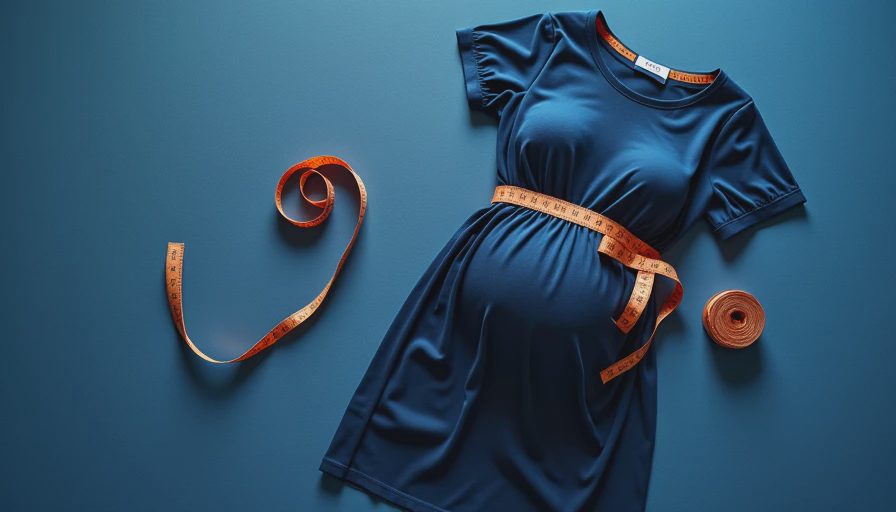
Why Standard Plus-Size Grading Goes Wrong
Here is the industry failure nobody puts on the hangtag: many patterns begin with a smaller fit model and get enlarged in increments. That is not the same as developing a pattern for a range of plus-size bodies. The armhole curve, bust placement, sleeve cap, and rise all need separate attention as sizes increase.
At the buying desk, I saw factories push back when we requested additional fittings. More fit sessions cost time, and time costs money. But skipping them sends the cost to shoppers through returns, alterations, and clothes that stay unworn. A b shaped belly exposes these shortcuts quickly because the garment must accommodate different zones across the torso instead of one simple circumference.
Look for brands that publish garment measurements rather than only body measurements. Universal Standard has built its reputation around extended sizing and detailed product information. ELOQUII often offers strong tailoring concepts, but individual styles still deserve a measurement check. Lane Bryant and Torrid can be useful for structured separates, while Old Navy Plus varies considerably by collection. I would never treat a size label as evidence of fit.
Waistlines, Fabrics, and Seams That Actually Work
For a b shaped belly, mid-rise and high-rise bottoms can both work; the deciding factor is where the waistband rests on your body. A waistband that lands at the natural waist may feel secure, while one that cuts across the fullest point can roll or create pressure. Try sitting, bending, and walking before judging the fit. A garment that works only while standing on a fitting-room platform is not doing its job.
Look for fabrics with recovery rather than flimsy stretch. Denim with a modest percentage of elastane, ponte, cotton twill with mechanical give, and medium-weight jersey can provide movement without losing structure. Very thin jersey may cling at every seam, while rigid woven fabric needs a more precise cut. Neither category is automatically wrong; the pattern and finishing determine whether it feels usable.
Seaming can be especially helpful when it follows the body instead of forcing it into a rectangle. Princess seams, curved side seams, and darts placed with care can create shape without squeezing. A straight dart that ends too high may point directly at the fullest section, so check where it finishes. The goal is not to erase your body. It is to make the garment acknowledge it.
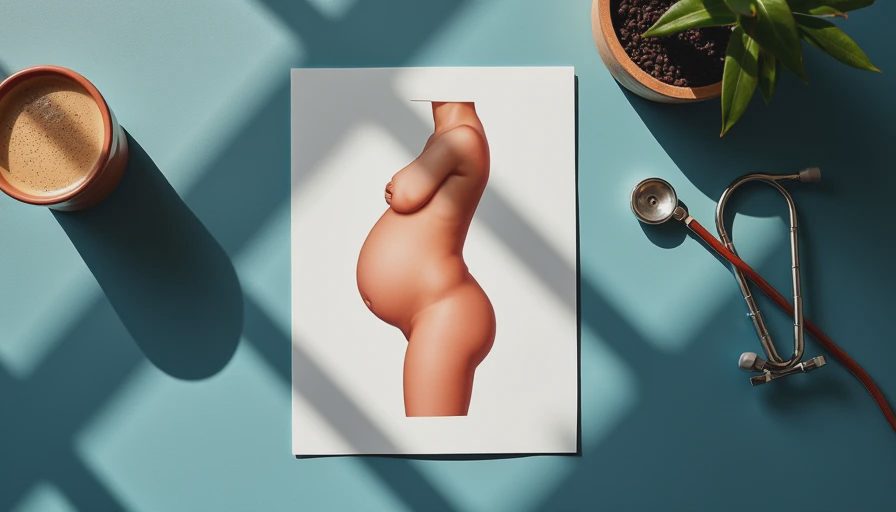
Building Outfits Without the Slimming Script
A useful wardrobe for a b shaped belly starts with pieces that earn their space. Try a knit blazer with a single functional closure, a straight-leg trouser with a contoured waistband, or a button-front shirt with enough bust and midsection ease. These are not camouflage tricks. They are practical garments designed to let you move, sit, and work without constant adjusting.
For an office outfit, pair a shoulder-fitting knit jacket with a fluid shell and a trouser whose waistband stays level when seated. For a casual outfit, a cropped denim jacket can create a clear shoulder line over a longer column of color, while a full-length cardigan offers movement without swallowing the outfit. The proportion is yours to choose. There is no required length for a b shaped belly.
Print scale, color, and contrast are styling tools, not rules about what you are allowed to wear. A large stripe can look excellent when the stripe placement follows the garment’s seams. A bright blouse under a neutral jacket can make an outfit feel intentional. If you love a fitted dress, look for stretch lining, a stable neckline, and seams that do not twist when you walk.
A Fitting-Room Process That Saves Money
Start by taking your usual size and one nearby size, then compare the garment measurements. Check the shoulder seam, bust pull, waistband position, and hem balance before looking in the mirror for an overall impression. Sit in the item for at least a minute. Raise your arms. Walk several steps. If the fabric climbs, the armhole cuts, or the closure strains, those are construction facts, not personal failures.
Next, identify the exact point of tension. If a blouse fits at the shoulders but pulls below the bust, you need more torso ease or a different block, not necessarily a larger size. If trousers fit through the hips but the waistband gaps, look for a contoured band, darts, or a curvier cut. If a jacket pulls across the back, inspect the back width and armhole before sizing up.
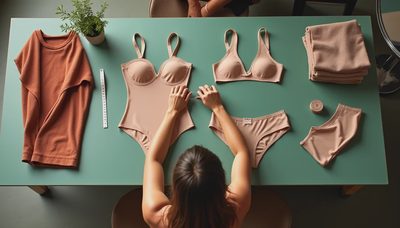
Online shoppers can recreate this process with a tape measure and a garment laid flat. Compare front rise, back rise, waist width, hip width, and inseam against a favorite item. Save screenshots of measurements because retailers sometimes change them between seasons. This two-minute record is more useful than a size chart built around a single imaginary body.
Dress for Your Actual Life
The best clothes for a b shaped belly are the ones that support your day. If you commute, prioritize seated comfort and fabrics that recover after hours in a chair. If you travel, choose a jacket that does not wrinkle at the midsection and pants with a waistband that stays put. If you work in a formal office, invest in alterations at the shoulder or hem before accepting a poor overall fit.
A tailor can adjust length, sleeve position, and some waist areas, but they cannot always rebuild a bad pattern. Do not spend $80 altering a $45 garment that already twists at the armhole. Put that money toward a better block, a lining, or a fabric with enough structure. Brands that respect plus-size customers make the pattern do more of the work.
You deserve clothing that treats your measurements as design information. When you shop for a b shaped belly, examine the pattern, the fabric, and the construction before judging yourself in the mirror. Reach for the shoulder measurement first, every time. The body's not the problem. The pattern is.



No notes yet — write the first one.