I have a drawer full of anti chafing shorts, and every pair has taught me something about the clothing industry’s favorite shortcut: grading a straight-size pattern upward and hoping nobody notices. When the waistband rolls, the legs creep up, or the fabric turns into a damp sauna by lunchtime, your body is not the problem. The pattern is. The right pair should let you walk, sit, commute, work, and attend an August wedding without spending the day negotiating with your clothes.
What good anti chafing shorts are supposed to do
At their simplest, anti chafing shorts create a smooth fabric barrier between the upper thighs. That barrier reduces skin-on-skin friction and can make dresses, skirts, and wide-leg pants much easier to wear. A useful pair should stay in place without feeling like shapewear, though. Compression is not the assignment here. Comfort, coverage, and stable construction are.
Start with the fabric. Nylon and elastane blends are common because they stretch, dry reasonably quickly, and hold their shape. Modal blends feel softer and can work well for office wear, but they usually need more careful washing. Cotton can feel lovely at breakfast and less lovely after a humid walk because it absorbs moisture rather than moving it away from the skin. For hot weather, look for a lightweight knit with a smooth surface and enough recovery that the leg opening does not become a loose band by noon.
The inseam also matters. A three-inch short can work under a short dress, but it may end exactly where your thighs make contact. A five- to eight-inch inseam often gives more reliable coverage under midi dresses and skirts. Longer is not automatically better; the hem should finish below the area where you experience friction, not bunch behind the knee.

The fit details most brands get wrong
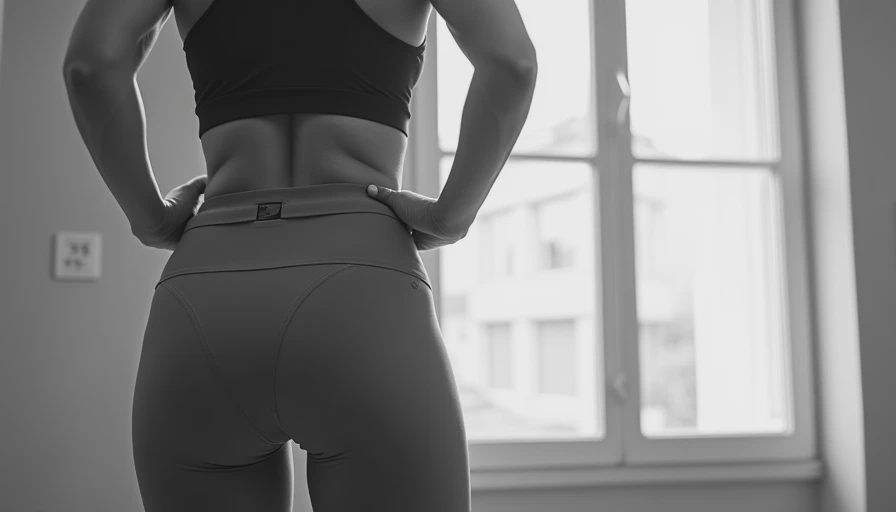
The waistband is where bargain construction usually announces itself. On a plus-size body, a narrow elastic band can roll because it is fighting the curve of the stomach and back. A wider, covered waistband distributes pressure more evenly. Look for a band that lies flat when you sit, not only when you stand in front of a mirror. If the waistband feels tight in the fitting room, it will feel much tighter after eight hours at a desk.
The leg opening needs equal attention. A tight silicone grip or narrow elastic may stop movement for a few minutes, then create a new pressure point. A properly shaped opening uses fabric tension and pattern design rather than a desperate little strip of elastic. When trying on anti chafing shorts, walk a block, sit in a chair, and climb stairs if the store allows it. A pair that stays put during one standing mirror check has not passed the test.
Pay attention to the front rise and back rise. If the shorts pull down when you bend, the rise is too short or the waistband is not shaped for your proportions. If excess fabric folds beneath the seat, the pattern may have added width without adding enough curve. This is a classic grading failure: the measurements increase, but the relationship between waist, hip, and thigh does not.
Choosing anti chafing shorts for dresses and skirts
For a professional wardrobe, color and surface finish are practical decisions rather than afterthoughts. Black is dependable under darker clothing, while a close-to-skin shade is useful under lighter dresses. A glossy fabric can show through a thin skirt, so matte knits usually behave better. Seam placement matters, too. A bulky center seam or decorative panel can become visible under jersey, satin, or a fitted pencil skirt.
When shopping, measure your fullest hip and your upper thigh rather than relying on the size printed on the package. Those measurements tell you more than a vague small, medium, or curvy label. I reach for the shoulder measurement before the size tag in a store; with anti chafing shorts, I reach for the hip, rise, and inseam. The label is merely a starting point.
Brands such as Thigh Society, Snag, Jockey, and Woxer have made different versions of this category easier to find, but no brand earns an automatic pass across every size range. Some offer light, silky layers; others focus on underwear-like softness or firmer athletic knits. Read garment measurements, inspect customer photos for waistband and hem behavior, and compare the actual fabric composition. Marketing language cannot compensate for a leg opening that cuts into you.
Anti chafing shorts for work, travel, and warm weather
The best pair depends on the day. For an office, choose a quiet fabric with flat seams and enough length to stay under a dress while you move between meetings. For travel, prioritize quick-drying material and a waistband that will not dig in during a long flight. For outdoor events, a breathable knit with moisture management is more useful than a heavy, highly compressive layer.
I also keep one pair for dresses with pockets. Pockets add weight, and a pocket loaded with keys or a phone can pull the skirt sideways as you walk. A stable underlayer reduces that tugging and lets the garment hang as designed. This is not about changing your body; it is about giving the outfit a functional foundation.
For a wedding or long event, test the complete outfit at home. Wear the dress, underwear, anti chafing shorts, shoes, and any tights for at least an hour. Sit at a table, use the bathroom, and walk up stairs. You are checking whether the layers cooperate, not performing some kind of personal discipline exercise. Clothes are tools. They should work for you.
Care, wear, and the signs it is time to replace a pair
Wash anti chafing shorts according to the fiber content, but cold water and a gentle cycle are usually sensible for stretch knits. Skip fabric softener when possible because it can coat performance fibers and reduce their moisture-handling ability. Air-drying protects elastane better than high heat. A dryer may be convenient, but repeated heat can leave the waistband slack and the fabric less resilient.
Replace a pair when the fabric has become transparent, the elastic has lost recovery, or the seams twist after washing. Pilling is not always a safety issue, but heavy pilling can increase texture and discomfort. Keep an eye on stretched-out leg openings, especially if the shorts no longer stay below the friction zone. One reliable pair worn on every hot day will age faster than two or three pairs rotated through the week.
A buyer’s checklist for anti chafing shorts
Before buying, check five things: the hip measurement, the inseam, the front and back rise, the width of the waistband, and the leg-opening finish. Then consider the garment you plan to wear. A short summer dress may need a shorter inseam, while a midi skirt usually benefits from more coverage. A lightweight fabric works under delicate clothing; a denser knit is better for travel or outdoor use.
Try the shorts in your real movements, not just a pose. Sit, bend, walk, and lift your arms. If the waistband rolls immediately, if the leg hem climbs, or if the seams make you aware of the garment every minute, keep looking. The industry has spent years telling women to tolerate poor fit because the alternative was going without. We can reject that deal.
The right anti chafing shorts disappear into your day without disappearing into your body. They provide a breathable layer, respect your measurements, and let you wear the clothes already in your closet. That is the standard: less friction, fewer adjustments, and a pattern designed for an actual human being.




No notes yet — write the first one.