If you are searching for how to prevent chafing in thighs, start with this: your body is not failing at summer, walking, work, or existing in pants. Chafing happens when skin rubs against skin, fabric, moisture, or some combination of all three. It is a clothing and comfort problem, not a character flaw. After nine years working in plus-size buying, I have seen too many brands treat the inner thigh as an afterthought. The body's not the problem. The pattern is.
Why thigh chafing happens
Inner-thigh chafing usually needs friction and moisture. Heat, sweat, a long commute, a full day on your feet, or a humid outdoor event can create the conditions quickly. Seams can add another source of rubbing, especially when they sit directly along the point where your thighs meet. A loose skirt can also move back and forth with every step, while stiff denim can press into the same area for hours.
The industry makes this harder than it needs to be. Many garments are graded from a smaller base pattern without enough adjustment through the seat, thigh, and rise. That means a pair of pants can have an adequate waist but too little room through the upper leg. The fabric then pulls inward as you walk. A larger size is not always the answer; sometimes it only creates a waistband gap while leaving the inner-thigh fit unchanged.
When learning how to prevent chafing in thighs, pay attention to movement rather than the number on the tag. Sit, walk, climb stairs, and bend at the fitting room mirror. If the crotch seam twists or the fabric drags between your legs, the pattern is giving you useful information.

Choose clothes that reduce friction
The most reliable clothing solution is a smooth, breathable layer between your thighs. Slip shorts, bike shorts, and fitted undershorts can work under dresses and skirts, but the details matter. Look for a wide waistband, a leg opening that stays put without digging, and a fabric with enough stretch to move with you. A lightweight nylon-elastane blend often dries faster than heavy cotton, while a soft modal blend can feel comfortable for lower-sweat days.
Length is personal. Some people prefer a five-inch inseam that ends above the knee; others need a longer leg to keep the fabric from rolling upward. Try the garment beneath the outfit you plan to wear. A short that feels fine under a loose dress might show through a fitted skirt, and a silky short may slide more than a matte, lightly compressive fabric.
For how to prevent chafing in thighs during a workday, inspect construction as carefully as fiber content. Flat seams are usually more comfortable than bulky overlock seams. A gusset can give you extra mobility. An adequate rise keeps the layer from pulling down when you sit. Universal Standard, Snag, Jockey, and Thigh Society offer different approaches to anti-chafing layers, but fit varies across styles, so use measurements and return policies rather than assuming a familiar size will behave the same way.
Use skin protection before you leave
A friction barrier can make a significant difference on hot or active days. Products sold as anti-chafing balms, sticks, or creams create a smoother surface so skin does not drag as sharply against skin or fabric. Apply a thin, even layer to clean, dry inner thighs before dressing. Reapply after several hours if the product has worn away, especially after sweating.
Petroleum jelly can reduce friction, but it may feel heavy and can mark some fabrics. Dedicated products such as Body Glide or Megababe Thigh Rescue are designed for this specific use. A fragrance-free option is a sensible starting point if your skin reacts easily. Do not apply a new product over broken, raw, or actively irritated skin. Wash gently, pat dry, and give the area time to recover.
The practical lesson in how to prevent chafing in thighs is to combine barriers with clothing. A balm cannot compensate for a rough seam, and perfect shorts will not solve every humid, high-friction day. Using both gives you more flexibility without requiring a completely new wardrobe.

Build a reliable workday routine
Before leaving home, check three points: moisture, seams, and movement. Dry your skin completely after showering. Apply your chosen barrier where rubbing normally begins. Then put on your underlayer and walk around your room for a minute. Sit in a chair, step up onto a stair, and bend to pick something up. If the shorts roll, the waistband shifts, or the leg opening pinches, you have time to change before the day starts.
For a commute or travel day, pack a small tube or stick in your bag. Keep a spare pair of slip shorts in a desk drawer if you regularly wear dresses to work. A breathable change of underwear or underlayer after a sweaty lunch walk can be more useful than carrying an entirely different outfit. If you are attending a wedding, conference, or outdoor concert, test the full combination at home first. Fabric behavior changes when you add hosiery, shapewear, a petticoat, or a structured skirt.
This is also how to prevent chafing in thighs when your schedule includes errands after work: plan for the last hour, not just the first mirror check. A garment that feels comfortable at 8 a.m. can become irritating by 5 p.m. once heat and moisture accumulate.
Shop for the pattern, not the promise
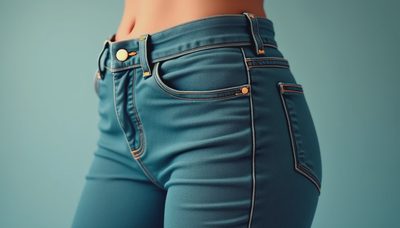
When evaluating pants, look for enough room through the upper thigh and a crotch seam that stays centered while you walk. The seat should not pull into horizontal lines, and the inner seam should not press into the fold of your leg. Stretch helps, but stretch alone does not fix poor grading. A fabric can have plenty of elastane and still feel restrictive if the pattern is too narrow.
For dresses and skirts, consider a fuller sweep, a lining that moves smoothly, or a built-in short. A-line and straight silhouettes can both work; the deciding factor is often lining and seam placement, not a magical cut for one body shape. Brands such as Lane Bryant, Torrid, Eloquii, and Old Navy Plus have all offered useful options in different categories, but collections change. Read garment measurements and customer notes about rolling, ride-up, and fabric weight.
When you ask how to prevent chafing in thighs, you are really asking how to make your clothes cooperate with your actual day. That means checking the shoulder-to-bust ratio in a dress, the rise in pants, and the thigh measurement everywhere else. Labels are a starting point, not evidence that a garment fits.
What to do when irritation starts
If your skin begins to sting, stop the friction as soon as you can. Change into a dry layer, rinse gently with lukewarm water, and pat the area dry. Avoid scrubbing, scented products, and tight clothing until the skin settles. A plain moisturizer can support the skin barrier once the area is clean and no longer wet or broken.
Persistent redness, swelling, cracks, drainage, significant pain, or worsening irritation deserves medical attention, particularly if the area does not improve after removing the source of friction. A clinician can distinguish ordinary chafing from dermatitis, yeast overgrowth, or another skin condition.
The best solution is not smaller clothes, stricter rules, or an apology to your closet. It is a smoother layer, better fabric, a workable pattern, and a routine that respects how you move. Once you know how to prevent chafing in thighs, you can choose a dress for the actual event, walk across town, and get through a full workday without letting badly engineered clothing run the schedule.



No notes yet — write the first one.