Vanity sizing is one reason getting dressed can feel like an unpaid administrative job. You order your usual size from two retailers and receive two completely different garments: one roomy through the bust, one tight at the armhole, and both carrying labels that pretend the number explains anything. After nine years buying plus-size clothing, I can tell you the uncomfortable truth: vanity sizing is not a reflection of your body. It is a reflection of inconsistent pattern decisions, merchandising strategy, and an industry that treats a label as more important than construction.
The body's not the problem. The pattern is.
What vanity sizing actually means
Vanity sizing happens when a brand assigns a smaller numerical label to measurements that would previously have carried a larger size. A modern 18 might measure close to an older 20, while another brand's 18 could be closer to a 16. The practice is not governed by a universal clothing-size authority, so every company builds its own chart and decides how those numbers appear on the tag.
There are business reasons. A retailer wants customers to feel good about a purchase, and a smaller label can be presented as a positive shopping experience. Brands also revise their fit blocks as customer measurements change over time. But the result is still chaos when a 2X in one store has a different bust, hip, and shoulder specification from a 2X elsewhere.
In the buying office, I saw teams argue over whether a measurement should move a quarter inch or half an inch between sizes. That tiny decision becomes a meaningful difference across a full range. Add different factories, fabrics, and pattern makers, and vanity sizing becomes an obstacle course instead of useful information.

Why plus-size shoppers feel the impact first
Vanity sizing affects everyone, but plus-size shoppers often encounter more serious construction problems because many brands do not truly grade their patterns through extended sizes. Grading means increasing or decreasing a base pattern while preserving its proportions. It is not simply enlarging every line equally and hoping the garment cooperates.
A size 14 dress can have a reasonable shoulder-to-bust ratio, then lose that relationship by size 22. The bust expands, but the shoulder barely does. The armhole becomes too shallow, the sleeve pulls forward, and the neckline shifts toward the throat. A brand may call that a sizing issue, but it is a grading failure.
This is where vanity sizing creates extra confusion. You may select a smaller label because the chart looks generous, then discover that the garment has less room where you actually need it. Or you choose a larger label to gain bust circumference and end up with a shoulder seam several inches past your shoulder. Neither outcome tells you anything useful about your body.
When I evaluated samples, I started with the shoulder seam, armhole curve, and bust circumference before looking at the size tag. Laura still laughs because I do the same thing in a department store. She can be comparing colors while I am quietly measuring whether the sleeve cap was designed by an adult.
Stop using the tag as your primary measurement
A size label is a category. The garment measurements are evidence. Before ordering, find the brand's size chart and compare your body measurements with the listed bust, waist, and hip ranges. Then look for garment measurements when they are available. A woven blazer with a 48-inch bust measurement will fit differently from a stretch knit with the same stated bust, even if both carry the same label.
Measure with a flexible tape over the fullest part of your bust, around your natural waist, and around the fullest part of your hips. Keep the tape level and relaxed rather than pulling it tight. If your measurements fall across two sizes, inspect the garment's construction. A button-front shirt needs enough ease for movement; a sweater with four-way stretch can tolerate a closer measurement; a lined pencil skirt has less forgiveness than a jersey dress.
Write your measurements in your phone, not in your memory. I also suggest recording the actual measurements of two garments you already enjoy wearing. That creates a practical reference when a brand uses vanity sizing or vague labels such as 1X, 2X, and 3X. You are building a fit library, not chasing a number.
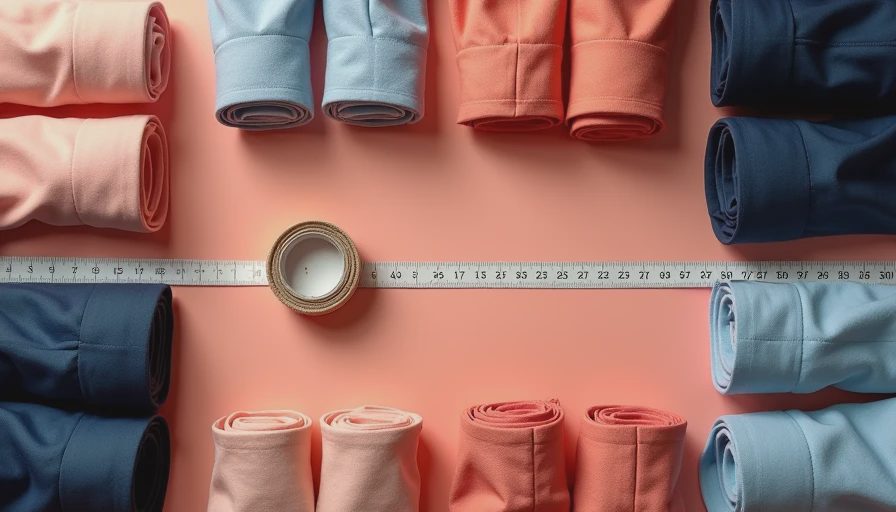
Brands, fabrics, and patterns worth examining
No retailer gets every category right, and a brand can produce one excellent line beside one frustrating collection. Universal Standard is known for building a broad size range into its core offering rather than treating larger sizes as a late add-on. Eileen Fisher often provides detailed garment measurements and forgiving fabric choices, though individual silhouettes still need inspection. Torrid has deep experience in plus-size product development, but fit can vary across departments and fabrications, so read the measurements instead of relying on the label.
Eloquii, Lane Bryant, and Old Navy Plus can all be useful sources, especially when a product page gives model information, fabric content, and garment details. I care less about a retailer's marketing language than whether the sleeve, rise, armhole, and bust are developed for the full size range. A beautiful campaign cannot rescue a jacket whose lining has no additional ease.
Look for details that support movement: shoulder seams that sit on your shoulder, sleeves that allow a bent elbow, a waistband that does not roll, and pockets placed where your hand naturally lands. A brand that lists inseam options, sleeve lengths, and garment measurements is giving you tools rather than asking for blind trust.
How to shop when the label changes
Treat vanity sizing as a reason to slow down, not a reason to criticize yourself. Start with the item category. For jeans, compare the waistband, front rise, back rise, thigh, and inseam. For a blouse, prioritize bust, shoulder, and upper-arm measurements. For a blazer, check the closed garment measurement and lining. A size chart without those details is incomplete information.
Read reviews for specific fit language. “The sleeves were tight at the upper arm” helps. “Runs weird” does not. Note whether reviewers mention height, fabric stretch, and the size they purchased, but do not assume their proportions match yours. A five-foot-tall shopper and a six-foot shopper can wear the same labeled size while needing entirely different rises and sleeve lengths.
Order only when the return policy is clear and affordable. Keep the packaging until you have tested sitting, reaching, walking, and raising your arms. Try the garment with the bra, camisole, or shoes you expect to wear. A piece that works only while standing motionless in front of a mirror has not passed the fit test.
A better definition of getting dressed
Vanity sizing survives because shoppers are taught to treat a smaller number as a reward and a larger number as a failure. I reject that entire setup. A label is not a grade, a diagnosis, or a measure of how deserving you are of beautiful clothes. It is a manufacturer decision printed on a tiny piece of fabric.
The useful questions are concrete. Can you breathe? Does the armhole allow motion? Is the shoulder in the right place? Does the fabric recover after sitting? Are the buttons staying closed without strain? If the answer is no, the garment failed the assignment, regardless of its label.
My clients in Baltimore are lawyers, professors, nonprofit directors, and small-business owners. They do not need a lecture about changing their bodies before they can wear a suit. They need a jacket graded with a real shoulder-to-bust ratio, trousers with a functional rise, and a shirt that understands an upper arm is attached to a person who moves.
That is the standard I want for you, too. Ignore the number when it starts shouting. Reach for the tape measure, inspect the pattern, and choose the garment that supports your actual life. The right fit is not a smaller label. It is a piece of clothing made to work.



No notes yet — write the first one.