Shopping among size inclusive fashion brands should not feel like a scavenger hunt for a sleeve that reaches your elbow or a waistband that survives sitting down. Yet many plus-size shoppers still receive the same tired message: accept limited colors, inconsistent measurements, and garments designed around a smaller sample size. I spent nine years negotiating fit specifications at Torrid, and I can tell you plainly that your body is not the problem. The pattern is.
The best size inclusive fashion brands do more than print larger numbers on a tag. They adjust shoulder width, bust circumference, rise, armhole depth, and fabric behavior as sizes change. That work costs more time and better technical judgment, but you can feel the difference the moment you put on a blazer or pull up a pair of jeans.
What real size inclusivity looks like in a pattern room
A common industry shortcut is to grade a size 6 pattern upward until it reaches a 22 or 24. Grading means increasing measurements between sizes, but bodies do not expand like a perfectly uniform diagram. A size 14 to 16 might need a modest bust adjustment, while the jump from 20 to 22 can require more room through the upper arm, abdomen, hip, and seat. If the factory simply adds inches everywhere, the garment can become wide without becoming wearable.
Good size inclusive fashion brands use multiple fit models, not one person representing an entire extended size range. They check whether a shoulder seam sits correctly, whether the armhole cuts into movement, and whether a dart points toward the bust instead of several inches away. They also test sitting, reaching, and walking. A dress that looks fine while standing on a showroom platform has not passed the test.
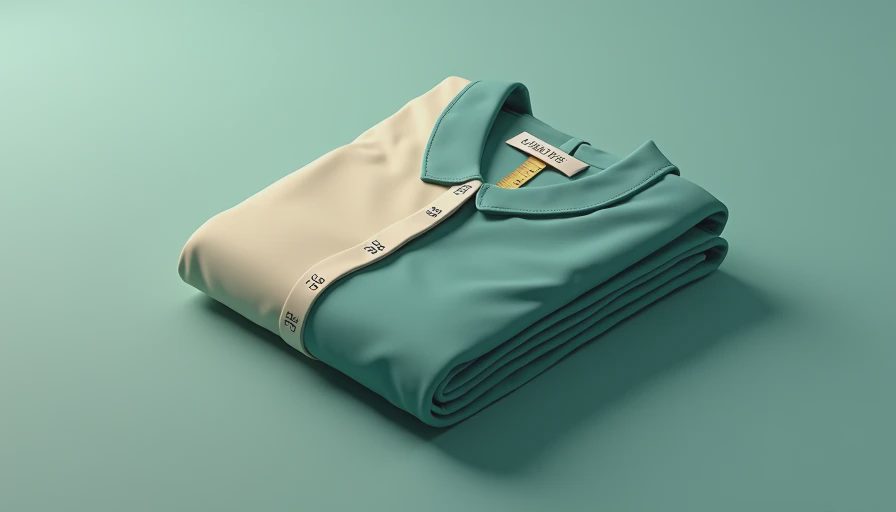
When you shop, ignore the letter or number first. Compare the brand's garment measurements with a jacket, dress, or pair of pants you already love. Measure the shoulder, bust, natural waist, hip, inseam, and rise. This takes five minutes and tells you more than assuming every 18 fits the same way.
The brands I would put on your first research list
Universal Standard remains one of the clearest examples of a brand building a broad size range into its core business rather than treating extended sizes as a temporary capsule. Its size charts and garment measurements are useful starting points, and the brand is known for carrying many styles across a wide range. Read the specific product measurements because a relaxed shirt and a structured ponte dress will not share the same ease.
Eloquii is worth examining for office clothing, dresses, and statement pieces. The brand often understands that professional clothing needs more than extra fabric: a blazer needs enough room through the upper arm, a button-front shirt needs controlled bust ease, and trousers need a rise that stays put while seated. Reviews still matter because fabric composition and cut vary from collection to collection.
Universal Standard, Eloquii, and select collections from brands such as Old Navy Plus can be useful parts of a wardrobe, but none earns an automatic pass on every garment. Size inclusive fashion brands can produce an excellent trouser and a disappointing sweater in the same season. Judge the actual item, not the marketing language.
For denim, look at brands that publish waist, hip, inseam, and rise measurements rather than relying only on generic size labels. Good stretch recovery matters as much as the initial fit. A fabric containing elastane can feel comfortable in a fitting room and still loosen dramatically after several hours if the recovery is weak. Read reviews for information about waistband stability, pocket placement, and whether the jeans fit consistently across washes.
How to test fit without blaming your body
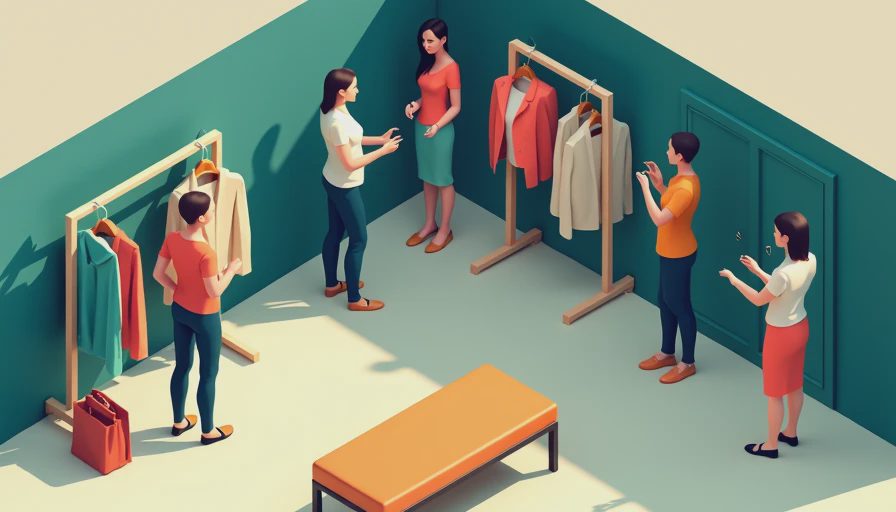
Try on a garment with the movements your day requires. Sit at a desk. Raise both arms. Walk up a few steps. Close every button without pulling across the bust. On pants, sit and check whether the waistband rolls, gaps, or digs in. On a blazer, move your arms forward as if reaching for a steering wheel. These simple tests reveal more than a mirror pose.
Pay attention to where tension appears. Horizontal drag lines across the bust can indicate inadequate bust ease, while pulling at the upper arm may point to a shallow armhole or narrow sleeve. A shoulder seam that hangs several inches outward can make the entire garment look careless, even if the bust and waist measurements are close. That is a construction issue, not a personal failure.
This is why I trust size inclusive fashion brands that provide garment measurements and detailed fit notes. “Model wears a size 18” tells you very little unless the brand also explains her height, bust, waist, hip, and preferred fit. A useful product page names the fabric weight, stretch level, inseam, and whether the cut is fitted, straight, or relaxed.
Building a professional wardrobe with fewer returns
For workwear, begin with repeatable shapes rather than a fantasy version of your closet. A machine-washable ponte pant, a woven blouse with enough bust ease, a knit jacket, and a dress that allows comfortable sitting can create several outfits. Choose colors that work together, then add one strong print or saturated shade when you want more visual energy.
Brands such as Lane Bryant and Torrid can still be practical sources for staples, especially when you know which cuts suit your measurements. I worked at Torrid long enough to know that a familiar brand is not automatically consistent. Check the fabric and construction every time. A previous size 18 may have worked because it used a stable knit, while the next style uses a thin fabric and a different grading block.
For a more polished wardrobe, inspect closures and finishing. Look for reinforced buttons, a waistband with enough structure, seams that lie flat, and lining that does not pull when you move. A $70 blouse that needs constant adjustment is not a bargain; a $120 blouse worn weekly can be a better value if its cut and fabric hold up.
A practical shopping process for better results
Start with three measurements taken over a thin layer of clothing. Record them in your phone, along with the shoulder measurement from a jacket you like. Then choose one garment category and compare three brands. Look at the size chart, garment measurements, fabric content, return window, and customer comments about fit. Do not order five unrelated pieces because a sale banner is shouting at you. Order one controlled test item.
When it arrives, try it on before removing tags. Photograph the front, side, and back if you are evaluating fit objectively. Note where the fabric pulls, where seams sit, and whether the garment works through a normal day. If the shoulders fit but the bust does not, you have learned something useful about the brand's block. If the bust works but the sleeves fail, the issue may be sleeve grading rather than your selected size.
The strongest size inclusive fashion brands make this process easier with accurate charts, consistent blocks, and honest product details. They cannot eliminate every fit difference, because bodies and preferences are wonderfully varied. They can respect your time by making the information clear.
My bottom line from the buyer's desk
Size inclusive fashion brands deserve your attention when they invest in technical fit, not just expanded labels and cheerful campaign photography. Look for measurable information, multiple fit models, useful reviews, and garments tested in motion. Treat every purchase as a conversation with the pattern: what does it allow, where does it resist, and what construction choice created that result?
You do not need to negotiate with a waistband all day or accept that professional clothing should feel restrictive. Start with one well-documented piece, learn your measurements, and keep notes on the brands that respect them. The body's not the problem. The pattern is.


No notes yet — write the first one.