Plus size lingerie is supposed to feel like a small private luxury, not a scavenger hunt through stretchy lace and cups that assume every body has the same proportions. After nine years on the buying side, I can usually tell in ten seconds whether a set was graded with real bodies in mind or just scaled up from a smaller block. The body's not the problem. The pattern is.
Start with the band and cup before the lace
When plus size lingerie works, the band sits level, the cups hold the tissue without spilling, and the straps are there for balance instead of doing all the work. That sounds basic because it is. Yet a lot of brands still treat the bra as a costume piece and forget that a 44 band and a G cup need more than a bigger number on the tag. Look for wider hook-and-eye closures, stable side panels, and a center gore that actually tacks if the style is built for underwire. If the band rides up after one wear, the pattern is wrong or the elastic is cheap.
I tell clients to shop the way I used to buy: check the shoulder-to-bust ratio, the underarm curve, and how much stretch the lace has before the garment has to move with a breath, a sit, and a little life. A pretty photo does not tell you whether the cup was drafted for depth or just width. The better sets feel calm on the body, not tight in one spot and loose in another.
Measure the body you have now
The best plus size lingerie starts with current measurements, not a memory of last year or a size you wish still worked. Measure the full bust, the underbust, and the waist where the garment will actually sit. For bras, a soft tape and a mirror are enough. For bodysuits, chemises, and slips, add torso length and hip circumference, because a short rise will pull everything upward and make the fit look more dramatic than it really is.
This is where a lot of shopping mistakes start. A brand can be generous in the hips and stingy in the bust, or roomy in the cups and weirdly short through the torso. That is not random. It usually comes from grading a style off one fit model and letting the rest of the size range follow along like a bad photocopy. Good brands change the proportions, not just the measurements.

Fabrics, elastics, and hardware that earn their shelf space
In plus size lingerie, the fabric has to recover after wear, not just look soft in a product shot. Power mesh, firm tricot, and lined cups tend to hold shape better than thin stretch satin that bags out by dinner. Lace is fine when it is backed by something stable; lace alone is mostly decoration. I also pay attention to the strap hardware. Sliders that stay put, hooks that do not twist, and rings that do not dig into the shoulder can make a midpriced set feel much better than a cheap one with rhinestones and regret.
Price matters here, but not in the way people think. A decent bra often lands in the $50 to $80 range, and a full set can run from about $70 to $150 depending on construction and fabric. If the price is suspiciously low, the brand probably saved money on wire shape, elastic recovery, or cup depth. That is usually where the fit falls apart first.
Where the industry still cuts corners
The biggest failure is still grading by expansion instead of redesign. A lot of retailers widen the frame, add surface area, and call it inclusive. But a fuller bust needs different cup depth, different strap placement, and often a broader wing so the band anchors without rolling. If a style exists in extended sizes but the armhole digs, the gore floats, or the side seam twists forward, the pattern room skipped the real work.
I saw this all the time in buying meetings: pretty samples passed around the table, then returns numbers spiked once they hit larger sizes. The fix was usually not a different color or a softer lace. It was a new block, a deeper cup, or a more honest size run. That is why some brands feel consistent across sizes and others feel like they were built by a printer with a grudge.
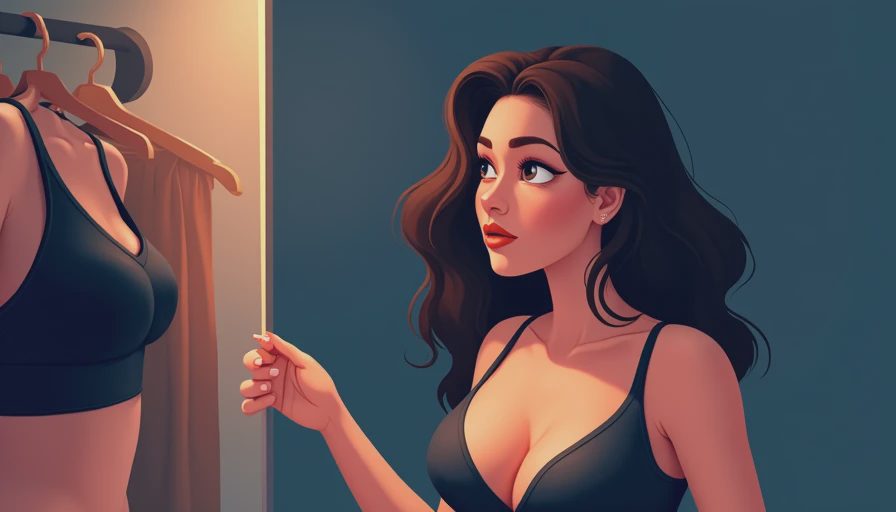
Brands and price ranges worth a look
If you are shopping plus size lingerie, I would start with brands that have a real lingerie business instead of a side collection. Elomi and Panache often do better on cup shape and wire width. Lane Bryant's Cacique line can be a useful starting point for people who want easy in-store access. Curvy Couture and Torrid have pieces worth trying when you want a softer feel, though the exact fit changes by style. Savage X Fenty is size-inclusive and fashion-forward, but the fit still depends on the specific item, so read the shape before you buy.
For shoppers who hate the return process, the smartest move is to build from one dependable bra and one dependable bottom. Once you know which band and cup shape hold your body comfortably, you can branch out into bralettes, slips, and sets without guessing every time. That is how you stop buying pretty mistakes and start buying pieces you will actually wear.
A fitting-room rule I use with clients
I ask clients to do three things before they keep anything: sit down, lift their arms, and check the back of the band in a mirror. If the cups stay put, the straps do not bite, and the band stays parallel to the floor, you are close. If the garment only works standing still, it is not a good pattern; it is a good pose.
That is the part most brands hope you never notice. Once you start looking at construction instead of the tag, the bad options get obvious fast. Good plus size lingerie should feel built, not merely enlarged. The body's not the problem. The pattern is. If you want a set that behaves like it was drafted for you, start there, and the rest gets easier.



No notes yet — write the first one.