A womens blazer should not feel like a classroom presentation about your body. It should feel like a tool: clean shoulder line, enough room through the bust, and a pattern that respects how a real torso is built. I spent nine years buying plus-size apparel, and the biggest mistake I still see is a jacket that looks fine on a hanger but gets weird the second a person moves. That is almost always a pattern-grading problem, not a you problem. The body's not the problem. The pattern is.
Start with the shoulders, not the size tag
When I shop a womens blazer for a client, I check the shoulder seam before I even look at the number on the label. If the seam lands too far past the shoulder point, the whole jacket starts to look tired and oversized in the wrong way. If it sits too high, the sleeve pulls and the upper body feels trapped. For most plus-size bodies, the shoulder-to-bust ratio matters more than the size tag because many brands scale width without correcting the armhole curve or the neckline depth. That is why one size can button and still feel wrong. In the fitting room, raise your arms, sit down, and reach across your body. If the blazer fights you there, keep moving.
Good grading shows up in the bust and armhole
A well-made womens blazer does not just get wider from a size 14 to a size 22. The pattern should also change in the bust, the waist placement, the back width, and the armhole depth. Cheap grading often ignores those changes, so the jacket gains inches around the middle while the sleeves and shoulder stay nearly the same. That is how you get pulling across the button stance or a back that rides up when you sit. I look for enough room to close the blazer without creating diagonal stress lines from the button to the side seam. If you see gaping at the chest, it is usually not because you need to size down; it is because the blazer was built on a narrower block and scaled lazily.
Fabric and lining do more work than most shoppers think
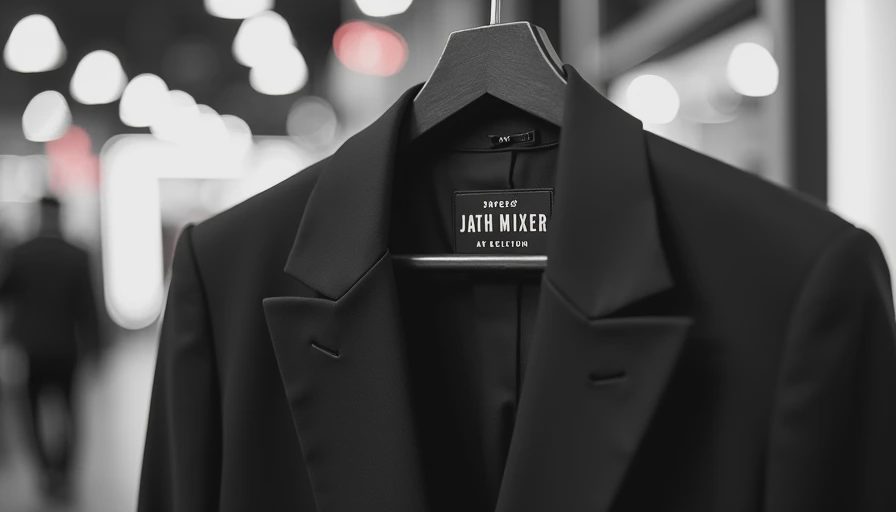
The smartest womens blazer purchases usually come down to fabric. Polyester can be fine if it has structure, but a stiff, shiny blend tends to crease and look cheap fast. A little stretch is useful, especially in a jacket meant for long workdays, but too much stretch and the blazer starts to collapse at the elbows and lapels. I like a wool blend for cooler months, a ponte knit for a softer office jacket, and a lined woven fabric when the goal is polish without fuss. Lining matters too. A partial lining in the sleeves helps the jacket slip on and off without catching on your shirt. Full lining usually gives the whole piece better drape, which is why the price jumps from $60 to $160 often make sense.
The details that save a return
There are a few small details I always check on a womens blazer because they tell you whether the design team actually tested the piece on bodies like ours. First, look at the button stance. If the button sits too high, the jacket can flare at the hips. Too low, and the whole front looks droopy. Next, check the lapel width. Very narrow lapels can feel juvenile on a larger frame, while a moderate lapel gives the jacket balance. I also look for side vents, because they let the blazer move when you sit in a car or spend a day at a desk. Faux pockets are common, and that is fine. Patch pockets can be useful too, but if they are placed too low, they drag the eye down and mess with the line of the jacket.
Brands and price points worth your time
If you want a womens blazer that is more likely to be cut with real plus-size grading, start with the brands that regularly build extended sizes instead of treating them like an afterthought. ELOQUII usually gives you sharper tailoring and more fashion-forward shapes, with prices that often land in the $120 to $180 range. Universal Standard is pricier, but they are serious about pattern consistency across sizes, which matters when you are buying a wardrobe workhorse. Lane Bryant and Old Navy Plus can be solid for more budget-friendly options, especially if you want a basic black or navy jacket under $100. I also watch brands like Tahari or Calvin Klein when they show up in extended sizes, because they often do classic suiting well. The catch is always the same: read the garment measurements, not just the size chart headline.
A fitting-room checklist that actually helps
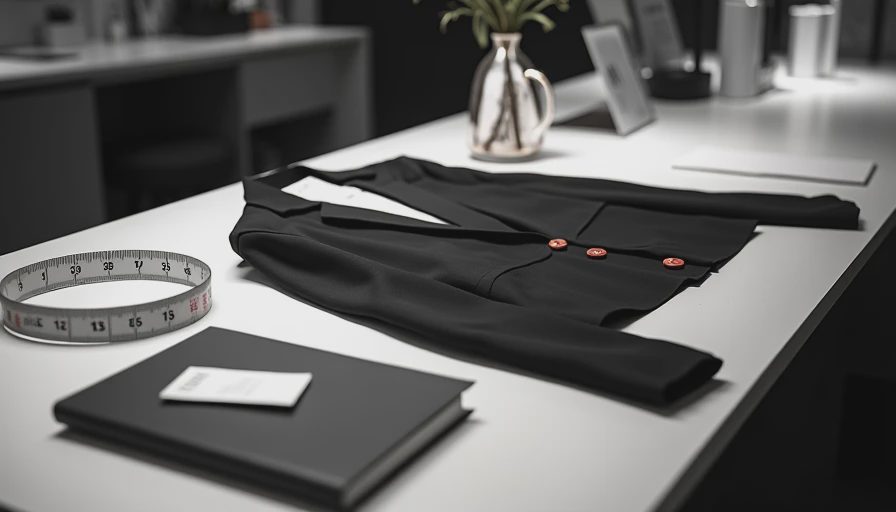
Here is the quick test I use when a client tries on a womens blazer and wants a real answer, not a polite shrug. The shoulder seam should sit where your shoulder ends. The blazer should button without strain, but it should not cling when you breathe in and out. The sleeve should hit near the wrist bone with enough room to bend. The back should stay smooth when you sit. The fabric should not feel like a costume version of office wear. If the jacket passes those checks, you have something worth tailoring if needed. If it fails two or three, walk away. I have seen too many good shoppers blame themselves for a jacket that was badly drafted from the start. Stop doing the brand's job for it. The body's not the problem. The pattern is, and once you know that, buying gets a lot less annoying.





No notes yet — write the first one.