When I fit blazers for women, I start with shoulders, not the size tag. Nine years at Torrid taught me the same thing over and over: the jacket usually fails at the shoulder seam, the bust, or the upper arm long before it fails everywhere else. The body's not the problem. The pattern is. A good blazer should close without yanking, sit cleanly across the back, and let you lift your arms without feeling like you borrowed it from a smaller cousin. The size on the hanger is mostly noise if the pattern block is wrong.
Why most blazers go sideways
A lot of brands still scale a sample size like they are stretching gum. The lapel gets wider, the waist gets bigger, but the armhole stays too shallow and the shoulder-to-bust ratio stays wrong. That is why a jacket can look fine in a dressing room and still fight you the second you sit down or reach for your coffee. I see this most in pieces that were clearly built on a straight-size block and then pushed up a few sizes. The fabric looks polished on the rack, but the blazer pulls across the bust, twists at the sleeve cap, or creates that ugly diagonal drag line from shoulder to button. If you have ever bought the same size in two colors and one fits like a dream while the other feels off, that is usually grading, not your body changing overnight.
The three measurements I check first
Before I care about the label, I want shoulder width, bust circumference, and upper arm circumference. If the shoulder seam lands too far past your shoulder point, the blazer looks sloppy fast; if it lands too far inside, the jacket pinches and shortens the whole line. Bust ease matters too. You want enough room to button the blazer without strain, but not so much that the front collapses into a tent. For many plus-size readers, a single-button blazer is easier than a two-button one because it gives the bust more room to breathe. Sleeve opening matters as much as wrist width, especially if you wear a watch or push your sleeves up all day. I also check collar roll, because a lapel that waves away from the chest is usually telling on the pattern.

Fabrics and construction that hold up
The best fabrics for workhorse blazers usually have some stretch, but not so much that the garment loses shape by noon. Ponte, stretch wool, heavy crepe, and structured twill can all work if the lining and shoulder build are sane. I like a full lining or at least a smooth partial lining because it helps the jacket slide over a blouse instead of clinging to it. Cheap polyester can be a trap: it may look crisp on a hanger, then trap heat, wrinkle at the elbow, and wear shiny at the seams after a few dry cleans. If you want blazers for women that earn repeat wear, check the button placement, the vent at the back, and whether the lapel lies flat when you sit. A blazer should look like it was drafted for movement, not for a mannequin pose that lasts eleven seconds.
What to do when the blazer almost works
If the shoulders sit correctly and the fabric is decent, a little tailoring can rescue the rest. Taking in the waist usually costs less than replacing the whole jacket, and sleeve shortening is often a manageable fix too. I would rather see a blazer with good shoulders and a slightly boxy waist than one that looks neat on the hanger but pinches the upper back. On the other hand, if the shoulder seam is wrong or the armhole is too tight, walk away. Those fixes cost more than the blazer, and they rarely end well. When I was buying, we used to say the first fitting question was whether the skeleton was right. If the skeleton was wrong, everything else was just decoration.
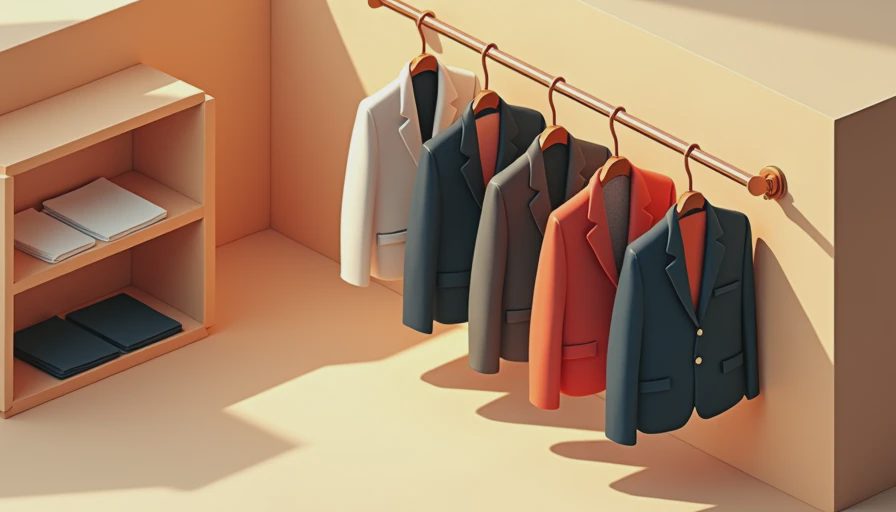
Brands and budgets worth trying
I am not interested in worshipping a logo, but some brands do better work than others. Eloquii usually understands proportion better than most mall brands, especially in extended sizes. Universal Standard tends to think more carefully about consistency across sizes, which matters if you are tired of roulette shopping. Talbots, J.Crew, and Ann Taylor can be worth a look if you are near the top of their size range and want classic cuts. Torrid and Lane Bryant can work too, especially when they use stretch suiting or ponte instead of stiff fashion fabric. Price-wise, expect around $60 to $120 at budget retailers, $150 to $250 for stronger construction, and more if you are getting wool, lining, and tailoring-friendly seams. The best blazers for women are the ones you can actually move in on day one, not the ones you have to negotiate with after lunch.
How I style them without making them precious
A blazer does not need to be office armor. I like one over a fine-knit tee and straight-leg jeans for errands, over a midi dress when the weather turns moody, and with wide-leg trousers when I want to look like I have my calendar under control. If the blazer is structured, I keep the rest easy. If the blazer is softer, I use a sharper shoe or a cleaner bag so the outfit still has backbone. For blazers for women, the trick is balance, not hiding. A longline cut can be great with a narrow pant; a shorter cut can look fresh over a column dress. If you are wearing it open, make sure the front edges hang smoothly and do not flap into the bust. That little detail tells you more about the fit than a mirror selfie ever will. I have seen a good blazer make a basic tee and jeans look intentional, which is honestly the whole point.
The try-on test I use every time
When I am deciding whether a blazer earns closet space, I button it, raise my arms, sit down, and twist slightly toward both shoulders. If it pulls hard across the bust, the cut is wrong. If the collar lifts away from the neck, the shoulders are off. If the sleeves make me feel trapped, the upper arm is too narrow or the armhole is too high. I also check whether the blazer still looks intentional after ten minutes of movement, because that is what a workday actually is. If you want blazers for women that last, buy the fit that works for your shoulders first, then have the waist taken in if you need to. Tailoring is cheaper than fighting a bad pattern every time you get dressed. If you find a brand that gets the grading right, buy the same block again in another color. That is how you build a wardrobe that works instead of a pile of almost-right jackets. The body's not the problem. The pattern is.





No notes yet — write the first one.