If you have searched what are considered plus sizes, you have probably discovered that the answer changes depending on the store. In most US clothing brands, plus sizing commonly begins around a women’s size 14, 16, or XL, but there is no single legal definition that every retailer must follow. A size 14 at one brand can have very different measurements from a size 14 somewhere else. That is not your body being difficult. It is the industry using inconsistent labels and uneven pattern grading.
After nine years working as a plus-size buyer, I learned to treat the size tag as a rough suggestion. I look at shoulder width, bust circumference, armhole depth, rise, and fabric recovery first. The body’s not the problem. The pattern is.
What are considered plus sizes in women’s clothing?
In everyday US retail, plus-size collections often start at 14W or 16W and extend through 24W, 28W, 30W, 32W, and beyond. Some brands place size 12 in an extended or inclusive range, while others use XL, 1X, 2X, and 3X instead of numerical W sizing. That is why the answer to what are considered plus sizes cannot be reduced to one number.
The “W” in a label generally indicates a plus-size block, not simply a larger version of a straight-size pattern. A properly developed 18W should account for changes in bust, waist, hip, shoulder-to-bust ratio, and torso length. A straight 18 from another brand might use a different block entirely. Two garments can carry the same number and still fit like they belong to separate sizing systems.
Some retailers divide their ranges into straight sizes from 00 through 14, extended sizes from 12 through 24, and plus sizes from 14W upward. Those overlapping numbers are intentional marketing choices, not proof that one customer belongs in a different category. Labels describe the retailer’s inventory structure. They do not describe your body’s worth or legitimacy.
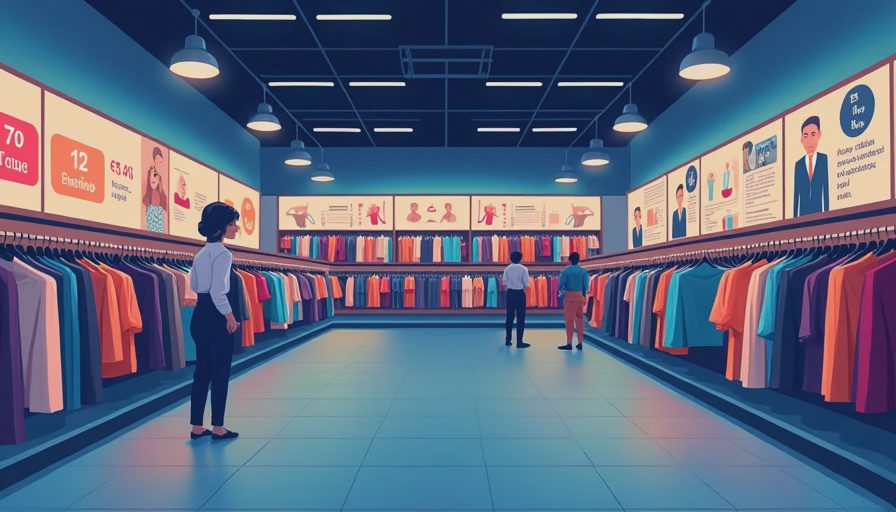
Why the plus-size label changes from brand to brand
To understand what are considered plus sizes, you have to understand pattern grading. Grading is the process of increasing or decreasing a base pattern across a size range. In a strong system, each size receives adjustments based on how bodies actually change. Bust and hip measurements do not expand in exactly the same proportion as shoulders, necklines, or sleeve lengths.
The cheap shortcut is to enlarge a smaller pattern and assume the job is finished. That can create a garment with enough room across the chest but shoulders that slide outward, armholes that cut in, sleeves that twist, and a waistline sitting several inches above its intended position. I have seen factories negotiate every quarter inch because those small changes affect comfort, returns, and whether a jacket can be worn for a full workday.
Fit models also shape the final result. If a brand grades from one model in a size 8 and checks only a single larger sample, problems between sizes can survive until customers receive the garment. A size 14 may look acceptable in photographs, while a size 24 has a narrow upper sleeve and a zipper under strain. The design did not suddenly fail. The development process failed to test the full range.
Numbers, letters, and the problem with “standard” sizing
The question what are considered plus sizes gets even messier when brands switch between number and letter systems. A 1X may correspond roughly to a 14/16 at one retailer and an 18/20 at another. A 2X could cover 18/20, 20/22, or 22/24. Those conversions are useful starting points, but they are never a substitute for garment measurements.
Retailers such as Torrid typically build dedicated plus-size blocks, while Universal Standard is known for designing a broad size range within one collection rather than treating larger sizes as a separate afterthought. Old Navy has offered overlapping straight and plus ranges, though shoppers still need to read the measurements for each product. Eloquii and Lane Bryant have historically focused heavily on plus-size fit, but individual garments can still differ because fabric, factory, and silhouette all affect the final result.
A woven cotton button-down needs more ease than a stretchy jersey top. A lined blazer needs different shoulder and sleeve measurements than a cardigan. The same label cannot communicate all of that information.
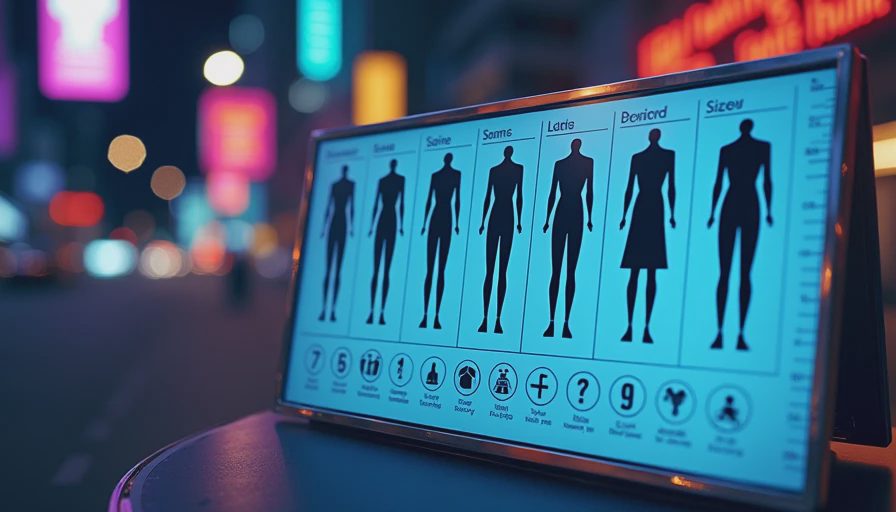
How to check whether a garment will actually fit
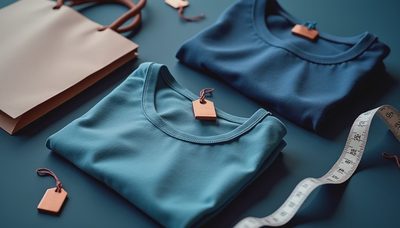
Start with a soft tape measure and record your bust, natural waist, fullest hip, shoulder width, and inseam. Measure over the undergarments you normally wear, without pulling the tape tight. Keep those numbers in your phone, then compare them with the brand’s size chart and, when available, the garment’s finished measurements.
For a blouse, compare bust measurement first, then inspect the shoulder and upper-arm numbers. For pants, check the waistband, front rise, back rise, thigh, and inseam. A waistband that matches your waist but has a short rise will still feel wrong when you sit. For a jacket, shoulder width and bicep circumference are often more useful than the label.
Read customer reviews for specific fit information rather than vague praise. Comments such as “the sleeve is narrow,” “the waistband has no recovery,” or “the bust darts sit too high” tell you far more than “runs large.” Product photos can also reveal whether a seam is twisting or a button placket is pulling, although lighting and posing are not reliable fit tests.
What to look for in a genuinely inclusive size range
A brand that takes plus-size design seriously will usually provide consistent measurements across its range, clear model information, and garment details that make sense for the body wearing them. Look for adjustable waistbands, functional pockets, reinforced seams, enough room through the upper arm, and buttons or zippers placed without unnecessary strain.
When researching what are considered plus sizes, check whether the collection extends beyond 22 or 24. A brand offering only a few larger sizes may call itself inclusive while leaving many shoppers out. Range matters, but so does development quality. A 30 that exists only on a website is not meaningful inclusion if the cut was never tested on someone who wears it.
Fabric matters too. Stretch should support movement, not compensate for poor grading. A knit with four-way stretch can tolerate small measurement differences, while rigid denim and woven suiting expose every shortcut. Pay attention to fiber content, recovery, lining, and care instructions before deciding whether a piece deserves a place in your wardrobe.
Stop treating the label as the authority
So, what are considered plus sizes? In common US retail language, the category often starts at 14 or 16 and includes extended numerical and lettered sizes above that range. But the label is only a retailer’s organizing system. It cannot tell you whether the armhole is deep enough, the shoulder is correctly placed, or the fabric will recover after a day of sitting.
Shop by measurements, construction, and your actual movement needs. If a 12 fits your shoulders and a 20 fits your hips, that is information about the garment, not a failure on your part. Try the size that gives each area room to function, then use tailoring when the alteration is practical. Brands doing the work will show it in consistent grading, useful size charts, and clothes that respect the full range of bodies.
The next time someone asks what are considered plus sizes, give them the honest answer: usually 14 or 16 and up, but there is no universal boundary. Then remind them that a size tag is a filing system. Your body is not a category that needs permission to get dressed.

No notes yet — write the first one.