Size inclusive jeans should fit your actual body, not force you into a pattern drafted for a much smaller frame and enlarged as an afterthought. After nine years buying plus-size clothing, I can tell you exactly when a denim brand has done the work and when it has simply made the waistband bigger. The body's not the problem. The pattern is.
I am not interested in whether jeans make anyone look smaller, more balanced, or otherwise acceptable. I want a waistband that stays put, a rise that reaches the right place, pockets that hold a phone, and a leg shape that matches the product description. That is the standard for size inclusive jeans, and it is not unreasonable.
What size inclusive jeans should actually mean
The phrase sounds straightforward, but the fashion industry uses it loosely. A brand might offer sizes 00 through 32 while still grading every size from one base pattern. That approach increases measurements, but it does not properly adjust the relationship between the shoulder, waist, hip, thigh, knee, and hem. Jeans have no shoulder seam, obviously, but the same proportional problem appears through the waistband, seat, front rise, and thigh curve.
Good size inclusive jeans use separate blocks or carefully tested grading rules for extended sizes. The back rise needs enough length for a fuller seat. The front rise should not create excessive fabric or a hard horizontal fold. The waistband needs room to curve over the body rather than cut across it. A five-pocket style also needs pockets repositioned and enlarged so they remain usable instead of turning into decorative postage stamps.
When I reviewed fit specs at the buying desk, I looked at measurements across several sizes, not just the sample in front of me. A size 14 can look perfect on a fit model while the size 26 has a narrow thigh, a short rise, and a waistband that rolls. That is not a customer failure. It is a grading failure.
The denim details that make a difference
Fabric is part of the fit, but stretch is not a magic wand. A rigid cotton jean needs a precise pattern because it cannot forgive a short rise or an undersized thigh. Stretch denim can provide movement, yet too much elastane can create sagging knees and a waistband that relaxes by lunchtime. For everyday wear, a blend with a modest amount of stretch often gives a useful balance of structure and comfort.
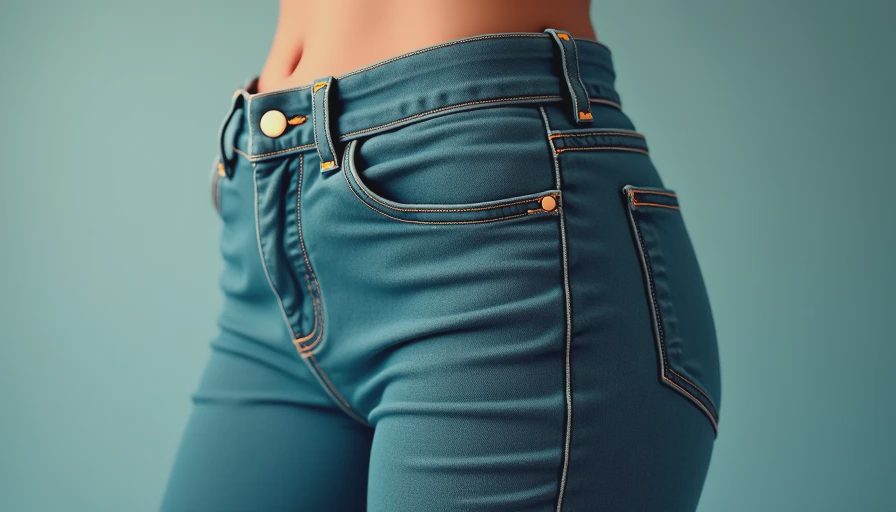
Look closely at the waistband construction. A contoured waistband is curved slightly to follow the body and usually performs better than a straight strip attached to every size. Interior elastic can help with movement, but it should support the fit rather than substitute for accurate measurements. Belt loops should be wide enough for the belts you actually wear, and bar tacks at stress points are a small detail with a large impact.
Pay attention to pocket placement, too. Pockets set too close together can pull the seat fabric inward, while tiny pockets can make a practical pair feel unfinished. In size inclusive jeans, pocket dimensions should be reviewed across the full size range. The same piece of pocketing fabric cannot simply be copied into every size and expected to function equally well.
Brands worth investigating
Universal Standard has built its reputation around broad size ranges and a more consistent approach to extending core styles. Its denim selection changes, so I still read the garment measurements and customer fit notes rather than treating the label as a guarantee. Good American is another brand many shoppers examine for extended denim sizing, including multiple leg shapes and rises. Again, the cut matters as much as the number on the tag.
Old Navy often offers accessible price points and a wide range of sizes, though its denim fits can differ substantially between collections. Torrid remains useful for shoppers who want multiple inseams and plus-specific cuts, but one style can still fit differently from another because washes, fabrics, and factories change. Universal Standard, Good American, Old Navy, and Torrid are starting points, not permission slips to skip measurements.
I also recommend checking smaller denim labels that publish garment measurements instead of relying only on body-size charts. A transparent product page tells you the fabric composition, rise, inseam, and sometimes the thigh or leg opening. That information is far more useful than a vague promise that the jeans are designed for every body.
How to shop for the right cut
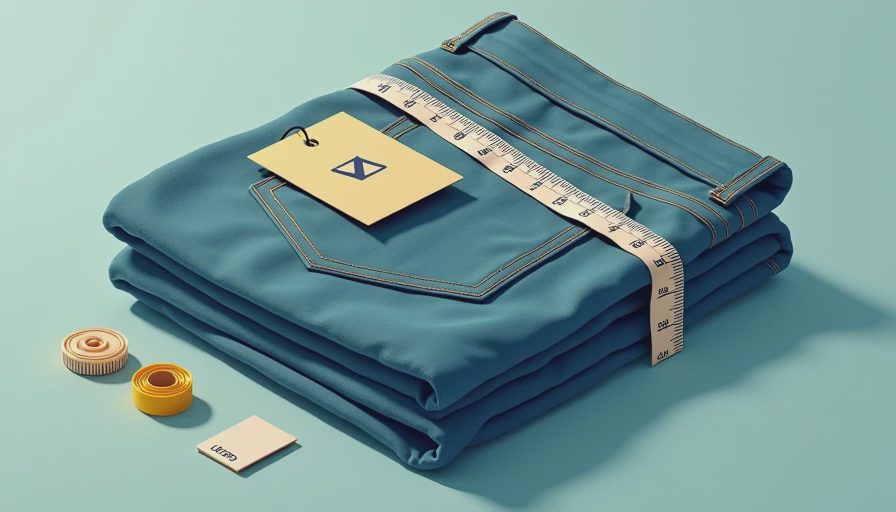
Start with the measurement that usually causes the most trouble: your full hip. Measure around the fullest point while standing naturally, then compare that number with the brand's size chart. Measure your waist where the waistband will sit, because a high-rise pair and a mid-rise pair may need different numbers. If you need a longer inseam, record that as well.
Next, decide what you want the jeans to do. A straight leg should fall with a relatively consistent width from thigh to hem. A wide leg needs enough room at the thigh to begin widening without catching. A bootcut should have a clear opening below the knee, not merely a slightly wider straight leg. Size inclusive jeans should describe these differences accurately, because “curvy” and “relaxed” can mean very different things from one retailer to another.
When trying them on, sit, walk, bend, and reach. Check whether the waistband gaps, whether the front pockets pull open, and whether the side seam twists toward the front. A little tension in new denim is normal; pressure that makes you adjust the jeans every few minutes is information. Try the same style in two sizes when possible, because the best fit may depend on whether the fabric is designed to mold or hold its shape.
The fitting problems brands need to fix
The most common mistake I saw was scaling width without adding enough vertical length. The result was a waistband that technically matched the waist measurement but sat too low in back. Another problem was keeping the same pocket and yoke proportions across every size. A larger size needs more than extra fabric at the side seams; it needs a different map of seams, curves, and stress points.
Factories also negotiate aggressively around fabric and construction costs. A brand may approve a beautiful sample and later switch to cheaper pocketing, remove reinforcement, or reduce the number of fit samples before production. That is how a promising prototype becomes disappointing inventory. Returns then get blamed on inconsistent customers instead of incomplete testing. I have sat through those conversations, and the excuse never improves the garment.
The better approach is testing across at least five sizes, including extended sizes, with fit models whose proportions reflect the intended customer. The brand should review movement, sitting, pocket access, and recovery after wear. Size inclusive jeans deserve the same engineering attention as straight-size denim, not a rushed final check.
Build a denim wardrobe that works
You do not need ten pairs of jeans. Start with one cut you can wear for your daily routine, perhaps a dark straight leg with a mid or high rise, then add variety based on actual outfits. A black pair can work with a blazer and loafers, while a medium wash with a wider leg can handle sneakers and a tucked sweater. The point is usefulness, not collecting trend labels.
Keep notes on what works: brand, size, rise, inseam, fabric percentage, and whether the waistband relaxed after several hours. That record saves time when shopping online and helps you recognize your preferred measurements across unfamiliar labels. Size inclusive jeans become much easier to evaluate when you compare numbers instead of guessing from a model photograph.
A pair that fits well should let you move through a workday, commute, dinner, and an unexpected trip to the grocery store without constant readjustment. That is not an extravagant demand. It is basic garment function. Read the measurements, inspect the construction, and send your money toward brands willing to test the full range. Your body is already doing its job. The pattern needs to do its job too.


No notes yet — write the first one.