Shopping for plus size jackets should not require a fitting-room engineering degree, yet here we are. One jacket pulls across the bust, another drops the shoulder seam halfway down your arm, and a third technically closes but makes reaching for your coffee feel like a group project. After nine years buying plus-size clothing, I can tell you the issue is usually not your body. It is the pattern, the grading, or both.
When I evaluate plus size jackets, I start with shoulder width, bust circumference, upper-arm room, and the relationship between those measurements. The size label comes later. A jacket can be roomy through the waist and still fail if the armhole is cut too shallow. It can have generous sleeves but a narrow back. The body's not the problem. The pattern is.
Why jacket sizing goes sideways
Most brands build a base pattern in one size, then enlarge it according to a grading formula. That sounds logical until you remember that bodies do not grow like perfectly proportioned balloons. Between a size 14 and a size 24, bust, upper arm, shoulder, back, and abdomen measurements do not increase at the same rate.
The shortcut I saw repeatedly in the industry was simple: scale the garment up, make a few corrections, and send it to production. That is how you get plus size jackets with a wide hem but the same narrow armhole. It is also why a blazer can fit at the hip while refusing to button at the bust.
A better brand adjusts the armhole curve, sleeve cap, shoulder-to-bust ratio, and back width independently. It uses fit models across more than one size instead of assuming a single sample tells the whole story. Universal Standard has built much of its reputation around extended sizing and consistent design language. ELOQUII often offers more deliberate proportions in workwear, though individual styles still deserve a measurement check. Old Navy can be useful for accessible casual layers, but fit varies considerably by collection.
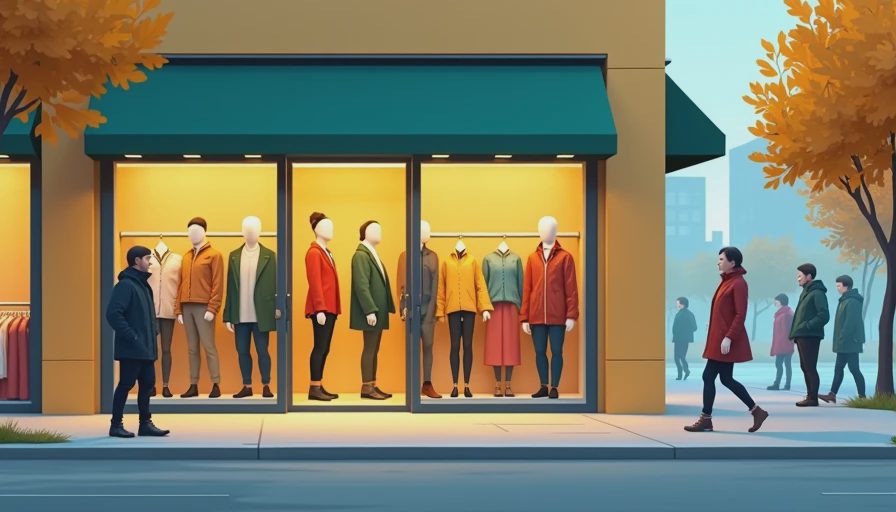
The measurements I check first
Before ordering plus size jackets, measure a jacket you already like rather than relying only on your body measurements. Lay it flat and record shoulder seam to shoulder seam, armpit to armpit, sleeve length, and back length. Then compare those numbers with the brand's garment measurements when available.
For your body, measure the fullest part of your bust while wearing the bra or camisole you would normally wear under the jacket. Measure the upper arm at its fullest point, with your arm relaxed. This number matters because a sleeve can have enough circumference at the cuff while becoming restrictive at the bicep. Finally, measure your shoulder width across the back. A jacket that matches the bust but exceeds your shoulder width by several inches can feel sloppy and pull strangely when you move.
Decide how you will wear the piece. If it needs to close over a sweater, leave more room than you would for a jacket worn over a thin blouse. For a blazer, I generally want enough ease to pinch roughly one to two inches of fabric at the bust without stressing the button. That is not a rule carved into stone; it is a practical starting point for movement.
Choosing the right jacket structure
A blazer should have a sleeve that rotates comfortably with your arm. Try reaching forward, crossing your arms, and lifting one arm to shoulder height. If the jacket hikes dramatically or the underarm cuts in, the sleeve cap or armhole is wrong for you. No amount of confident posture fixes bad mobility.
A denim jacket needs enough back width for sitting and driving. Look for a little stretch, especially in cotton twill, but do not use stretch as an excuse for a painfully tight cut. A chore jacket usually works best with a straighter shape, substantial fabric, and pockets placed where your hands naturally land.
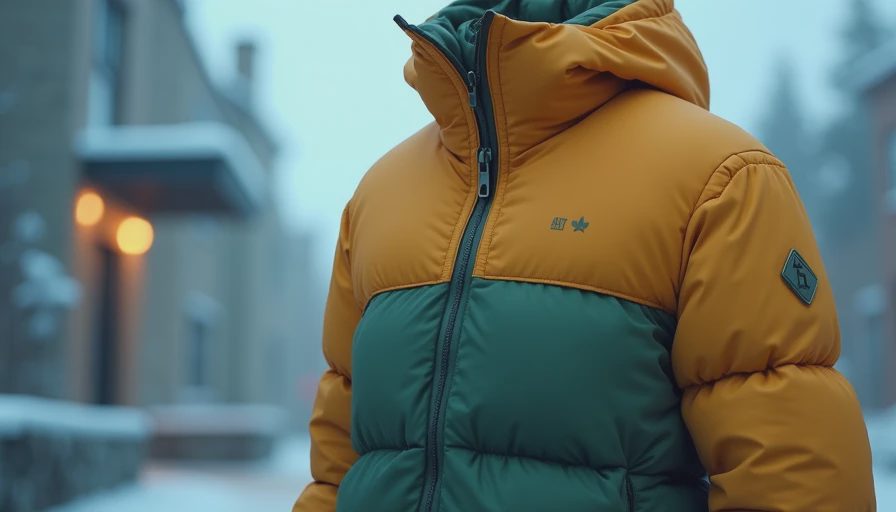
For cold-weather plus size jackets, inspect the lining and sleeve opening. A bulky sweater needs room through the upper arm, not merely an oversized torso. Quilted coats should have even insulation and stitching that does not abruptly narrow across the bust. Brands such as Lands' End and Columbia offer practical outerwear ranges, while City Chic and Torrid often provide more fashion-driven shapes. Read garment measurements and construction notes before trusting the size selector.
Workwear that moves with you
The professional jacket has one job beyond looking polished: it must survive a full day. That means typing, carrying a laptop, sitting through a meeting, and reaching for a file without the back pulling tight. In my styling studio, I steer clients toward ponte, stretch crepe, soft suiting, and unlined woven fabrics when the cut is good. These materials can provide movement without turning the jacket into a sweatshirt with lapels.
For plus size jackets intended for work, check the lapel roll and front balance. The lapel should lie flat rather than flipping open at the bust. The front hem should not swing upward because the jacket is shorter in front than the pattern intended. A single-button blazer can be easier to fit than a double-breasted style, but it is not automatically better. Placement matters: a button sitting directly at the fullest part of the bust often creates strain.
ELOQUII, Lane Bryant, and Universal Standard are useful places to compare tailored options, while brands like J.Crew Factory sometimes carry extended-size pieces in more limited runs. Do not shop by brand reputation alone. A company can produce an excellent blazer and a terrible cropped jacket in the same season.
A practical shopping checklist
When you are comparing plus size jackets online, use this five-step process:
- Read the fiber content. A small amount of elastane can help, but polyester-heavy fabric may feel warm or stiff depending on the weave.
- Find garment measurements. Bust and hip numbers are more useful than a vague promise that an item runs generous.
- Study customer photos for sleeve and shoulder fit, not just overall appearance.
- Check the return policy before ordering multiple sizes. Free returns are useful, but a short return window can create unnecessary pressure.
- Order the size that fits your largest key measurement, then assess whether tailoring can adjust the rest.
A tailor can shorten sleeves, move a button, take in a side seam, or adjust a hem. They cannot create several inches of upper-arm room without rebuilding the sleeve. That is why starting with the correct shoulder and armhole fit saves money.
The jacket test I use at home
When your order arrives, wear the actual bra, top, or sweater you planned to pair with it. Leave the tags attached. Stand naturally, then sit, reach forward, hug yourself, and raise both arms. Walk around for five minutes. If you keep tugging at the hem or pulling the sleeves down, believe that information.
Look at the lining while moving. If it twists inside the sleeve, the sleeve may be cut poorly or sewn off-grain. If the front pulls into diagonal lines from the button, the bust needs more room. If the collar lifts away from your neck, the back balance may be off. These are construction clues, not personal failures.
The best plus size jackets make your day easier because you stop managing them. You can concentrate on the presentation, the train ride, the cold sidewalk, or dinner with friends instead of wondering whether the seam is about to surrender. Measure first, inspect the pattern details, and spend your money on brands that treat extended sizing as design work rather than an afterthought. Your wardrobe does not need an apology. It needs better engineering.


No notes yet — write the first one.