If you have searched what is considered plus size, you have probably discovered that the fashion industry does not have one clean answer. Some brands begin plus sizing at 14, others at 16, and some use the term for 18 and above. That inconsistency is not a reflection of your body. It is a reflection of disconnected size charts, uneven pattern grading, and decades of retailers treating certain customers as an afterthought.
I spent nine years negotiating fit specifications for a major plus-size retailer, and I still reach for the shoulder measurement before I look at a size tag. The body's not the problem. The pattern is. Here is how to understand the category without allowing a label to define your wardrobe.
So, what is considered plus size?
In US women's clothing, plus size commonly begins around size 14 or 16 and extends through sizes 18, 20, 22, 24, 26, 28, and beyond. That is a retail convention, not a medical, legal, or universal definition. A size 14 at one company can share measurements with a size 16 at another, while a size 22 in a structured blazer may fit differently from a size 22 in a stretch knit dress.
The phrase what is considered plus size often appears to ask for a number, but the more useful answer involves how a garment is designed. Many retailers separate straight and plus departments even when their measurements overlap. Others offer a continuous range, such as Universal Standard, which has built its identity around carrying a broad span of sizes in the same styles. Neither approach automatically guarantees good fit. The size range tells you who a brand serves; the pattern tells you whether the garment was actually engineered for that range.

Why size labels are so unreliable
Fashion labels are not standardized measurements. A brand decides its base size, then develops a sample pattern and grades it up or down. Grading means increasing or decreasing pattern dimensions between sizes, but it does not always happen evenly across the bust, waist, hip, shoulder, and upper arm.
This is where the industry shortcut causes real frustration. A company may take a size 6 block, enlarge it, and call the result a size 22. That process can create a garment with enough fabric at the hip but a narrow armhole, shallow bust shaping, or a shoulder that sits too wide. The tag says the garment is larger; the construction says nobody tested it on a body in that size.
A properly developed plus-size pattern considers proportion, not just circumference. The shoulder-to-bust ratio changes as sizes increase. Armholes need a different curve. Sleeves require more room through the upper arm without becoming excessively long. Waist placement may need adjustment as well. These are technical decisions, and skipping them is why online reviews so often say a garment fits in one place and fails in another.
Use measurements instead of guessing from the tag
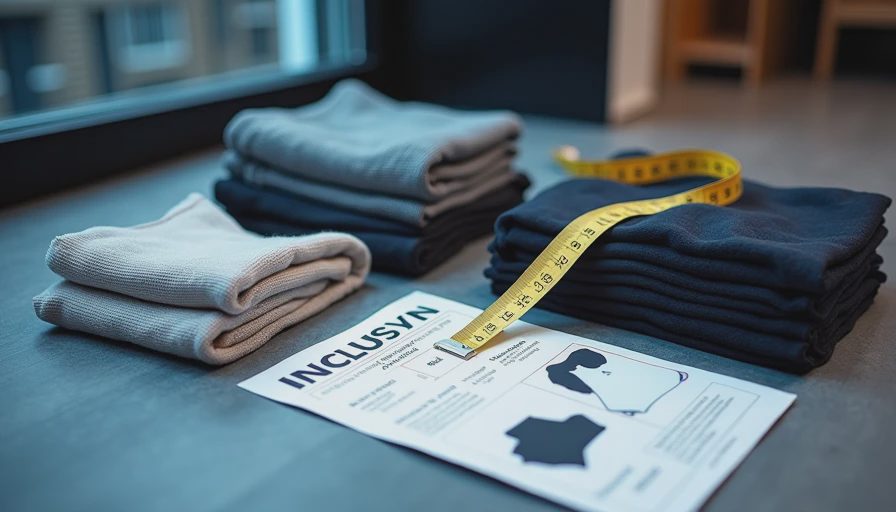
When someone asks what is considered plus size, I usually ask a better question: what are the garment and body measurements? Take your bust at the fullest point, your natural waist, and your hip measurement while wearing the undergarments you normally wear. Keep the tape level and comfortably close, not pulled tight.
Then compare those numbers with the brand's chart. Do not assume every chart uses the same order or measurement method. Some brands list body measurements; others list finished garment measurements. A finished bust measurement includes ease, or extra room built into the garment. A woven button-front shirt might need several inches of ease, while a stretch tank may be designed with less.
For example, if your bust measures 46 inches and a shirt lists a 48-inch finished bust, that is not automatically a generous fit. The fabric, armhole, sleeve seam, and intended silhouette all matter. Read the fiber content and look for customer comments that mention shoulder fit, sleeve circumference, and whether the buttons pull. Those details are more useful than a vague claim that something runs true to size.
The difference between plus-size and extended-size ranges
Plus-size usually describes a range intentionally drafted for larger proportions, often beginning at 14 or 16. Extended sizing describes a brand adding larger sizes to a range that was originally built around smaller blocks. Sometimes the two systems overlap beautifully. Sometimes the larger sizes look like an afterthought, with fewer colors, simplified details, or a different fabric choice.
This distinction matters when you shop at familiar retailers. Torrid and Lane Bryant have long focused on plus-size customers, so their fit libraries and block patterns are built around that customer. Eloquii has made its name through trend-focused plus fashion. Old Navy has offered broad size ranges, but availability and fit can differ by item and season. Universal Standard uses a more integrated size approach. These are useful starting points, not guarantees; every garment still deserves a measurement check.
The important question is not whether a label is technically plus. Ask whether the brand has tested the style across the full range it advertises. A cropped jacket, for instance, needs intentional sleeve and torso proportions at each size. A knit cardigan has more flexibility, but its shoulder seam and armhole still reveal whether the grading was thoughtful.
A practical fitting-room checklist
Before buying, look at five points. First, check the shoulder seam: it should sit where your shoulder ends unless the design is intentionally dropped. Second, raise your arms. If the whole garment climbs sharply, the armhole may be too tight or too shallow. Third, sit down and move your elbows forward. A jacket that works standing still may restrict you at a desk.
Fourth, inspect closures. Buttons should lie flat without constant pulling, and a zipper should not wave across the body. Fifth, look at fabric recovery. Stretch material should return to shape after movement instead of becoming loose at the elbows or seat. These checks tell you far more than whether the size number feels familiar.
If you are shopping online, use reviews as fit data rather than approval scores. Search within reviews for your likely size and scan for repeated comments about armholes, sleeves, torso length, and bust room. Save your measurements in a phone note so you can compare them quickly across brands. That small habit removes much of the emotional nonsense attached to a number on a tag.
A better answer than a single number
So, what is considered plus size? In everyday US fashion, it generally means sizes 14 or 16 and above, but the category changes from retailer to retailer. Your most reliable tools are a brand's measurement chart, the garment's finished dimensions, and evidence that the pattern was tested across sizes.
You do not need to earn access to a size range, explain your body, or squeeze into a label that was drafted incorrectly. Look for clear measurements, useful reviews, substantial fabric, and brands willing to make the whole range with care. The right clothes should accommodate your life and movement. If they do not, blame the pattern before you blame yourself.


No notes yet — write the first one.