Plus size work clothes are supposed to get you through a commute, a meeting, and a desk lunch without asking you to babysit seams all day. If you have ever bought a blazer that fit the bust but fought the shoulders, you already know the industry's favorite trick: scale the garment up and call it done. The body's not the problem. The pattern is. After nine years buying in this category, I can tell you the difference between clothes that just exist in extended sizes and clothes that were actually graded for a real body.
Start with the shoulder, not the tag
When I buy plus size work clothes for clients, I start with the shoulder measurement before I even look at the size label. A shoulder that sits too narrow makes a blazer look tight everywhere, even when the waist is technically generous. Armhole depth matters too. If the armhole is cut too high, you get that pinching, riding-up feeling every time you reach for a keyboard or grab your bag. For button-downs, the bust-to-waist ratio is only half the story; the other half is whether the sleeve and shoulder were built for a fuller upper body. Brands that grade properly, like Universal Standard at the clean-minimal end and Eloquii in more trend-driven workwear, tend to respect those proportions better than labels that just blow up a straight-size block.
The quickest test in the fitting room is simple: lift your arms, sit down, cross them, and pretend you're holding a laptop and a coffee at the same time. If the hem hikes up hard, the back yanks, or the sleeve seam creeps toward the front of your shoulder, that garment is already telling on itself.
Choose fabrics that behave under fluorescent lights
The best plus size work clothes are usually made from fabrics with structure, not cardboard stiffness. Ponte is the obvious hero because it skims, stretches, and still snaps back after a long day in a chair. Good twill, wool blends, and dense stretch crepe also earn their keep. On the cheaper end, you can find decent ponte pants around $60 to $90 and better blazers from about $120 to $250, depending on whether you are shopping Old Navy Plus, Lane Bryant, J.Crew Factory, or a higher-end label.
What I look for is recovery. A fabric can feel soft on the hanger and still be useless by 2 p.m. if the knees bag out or the elbows collapse. A little spandex is fine; too much can turn pants into a saggy sock by Friday. Also pay attention to linings. A fully lined blazer drapes better and usually holds up longer at the upper back and sleeve cap, which is where many extended-size jackets start to get weird.
Build a work wardrobe around repeatable outfits
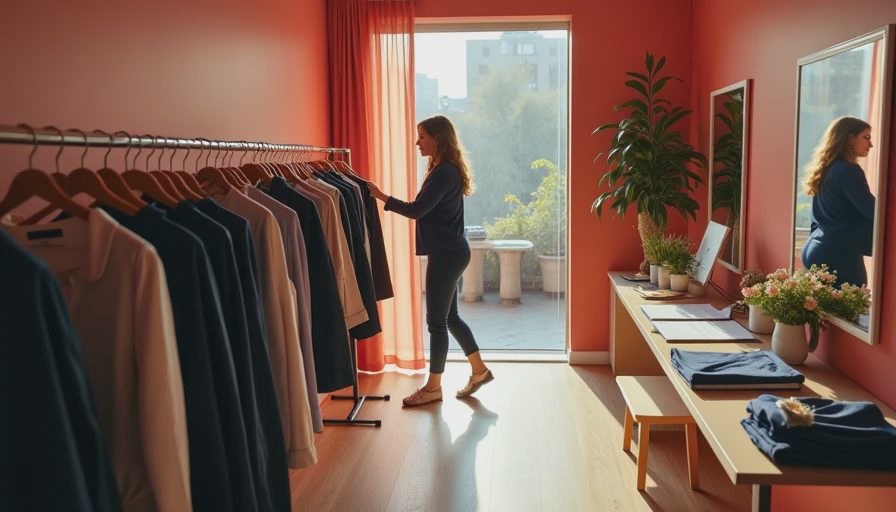
Good plus size work clothes do not need to be a giant pile of separate looks. They need a few repeatable formulas that make getting dressed boring in the best way. One formula I use with clients is a tapered trouser, a knit shell, and a blazer with enough room in the upper arm to wear over both without strain. Another is a shirt dress with real button placement, not decorative buttons that gape the second you sit down. A third is a midi skirt with a shaped waistband and a tucked-in top that has enough length to stay put without fussing.
The trick is not buying ten almost-right things. It is buying three categories that all play nicely together. Once those are working, you can add color, pattern, or a more interesting shoe without rebuilding the whole system every Monday morning. That is where plus size work clothes stop feeling like a scavenger hunt and start acting like a uniform.
Watch the pattern grading, because that is where the damage happens
If your plus size work clothes keep failing in the same places, look at grading before you blame your body. A lot of brands grade outward from a size 14 base, then widen the waist and hips without rethinking the shoulder, the armhole curve, or the bust dart. That is how you get a blouse that looks decent in one size and turns into a tug-of-war in the next. The factory can copy the math, but if the math was bad to begin with, the bigger size just becomes a larger version of the same mistake.
I used to fight this on the buying side all the time. A manufacturer would swear the sample was fine because it fit a fit model, and I would put the garment on a real body and point to the exact place where the sleeve caught or the front button pulled. You do not need perfection. You need a pattern that respects a shoulder-to-bust ratio, room in the upper arm, and enough back width to let you move like a person, not a mannequin.
Spend money where the tailoring pays you back
The smartest money in plus size work clothes goes to alterations, especially if your base size fits your shoulders and bust but needs help everywhere else. Hemming trousers usually runs $15 to $30. Taking in a waist can land around $25 to $50. Sleeve shortening and button repositioning can be worth every penny, because those details are what make a shirt look intentional instead of borrowed. If you find a blazer with the right shoulder and a decent lapel, it is often smarter to tailor the rest than to keep chasing a perfect off-the-rack miracle.
That said, do not throw alteration money at a bad pattern. If the armhole is too shallow or the torso is too short, no tailor is rebuilding the whole garment for department-store prices. Start with the bones that fit, then let a tailor clean up the rest.
A simple office-week formula that actually holds up
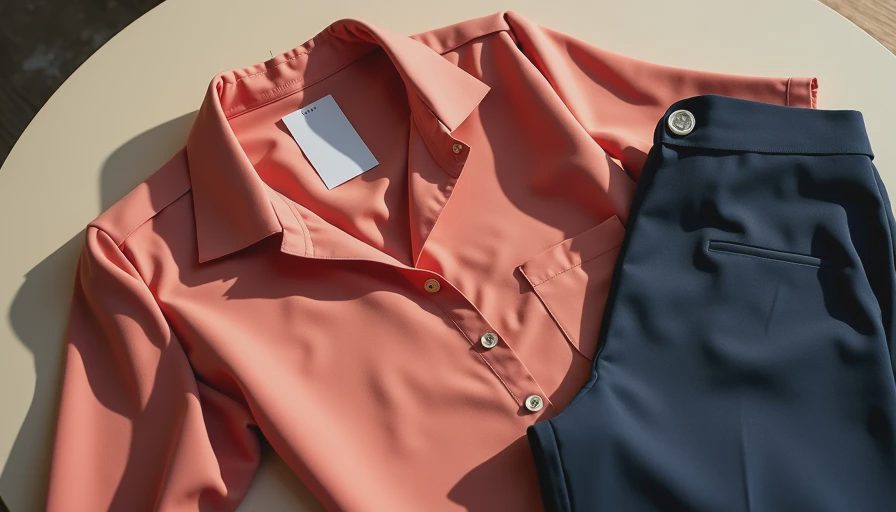
If you want plus size work clothes that reduce decision fatigue, build around one trouser, one blazer, two tops, and one dress that can handle a cardigan or jacket. That gives you enough combinations for a full week without dressing like a clone. My favorite starting point is a black or navy ponte trouser, a cream or deep jewel-tone top, and a blazer in a color that is not just corporate sadness. Then add one printed blouse or knit polo to keep things from getting stale.
Brands worth checking include Universal Standard for consistency, Eloquii for stronger fashion options, Lane Bryant for a broad workwear range, and Old Navy Plus when the budget is tight and you are willing to inspect the fabric closely. If you are rebuilding plus size work clothes from the ground up, do it like you would build a kitchen: start with the tools you reach for every day, not the decorative stuff you only notice on special occasions. The body's not the problem. The pattern is. And once you stop shopping like the garment is the authority, the whole process gets a lot less exhausting.





No notes yet — write the first one.