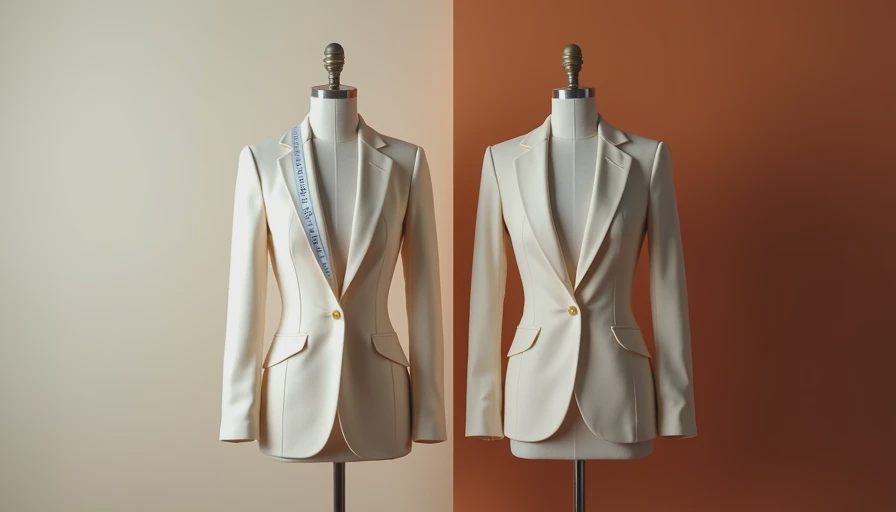
The Secret Almost Nobody Talks About
I’m going to tell you something that manufacturers and many brands really don’t want you to think about too hard.
Most plus-size clothes are not designed on plus-size bodies.
They’re designed on a size 14 or 16 fit model, then mathematically scaled up to larger sizes with varying degrees of care. This single practice explains so many of the fit frustrations you’ve experienced.
Hi, I’m Tessa Brenner — former Torrid buyer with nine years of seeing this system from the inside — and today we’re talking about one of the biggest elephants in the plus-size fashion room.
The body’s not the problem. The pattern is.
What a Typical Plus-Size Fit Model Looks Like
In my early years buying, I sat in countless fit sessions. The “plus-size” fit model was almost always a size 14 or 16 with relatively straight proportions, smaller bust relative to hips, and measurements that didn’t represent the majority of customers shopping in larger sizes.
She was lovely. She was also not representative.
When we’d ask for a larger fit model, the responses ranged from “We don’t have one” to “It’s too expensive” to “The factory doesn’t have anyone available in that size.”
This wasn’t unique to one company. It was (and largely still is) industry standard.
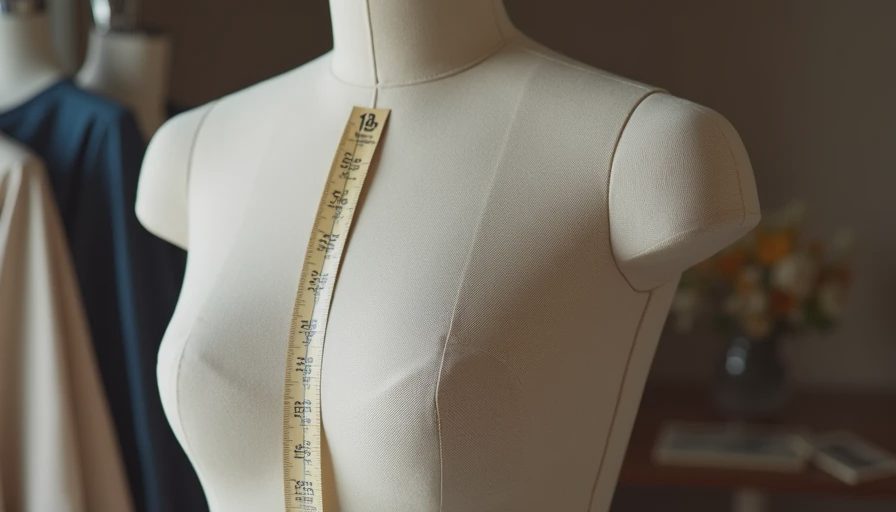
How This Affects What Ends Up in Your Closet
When a garment is fitted on a smaller body and then graded up:
Proportions get distorted
Bust shaping often remains too shallow
Armholes don’t drop enough
Shoulder slopes don’t adjust properly
Hip and thigh shaping can be completely wrong
The result? Clothes that look great on the model in marketing photos but feel completely different on your body.
I once watched a size 24 sample come out looking like a completely different garment than the size 16 version. The fit model looked polished. The larger sample looked… defeated.
The Data I Saw Behind the Scenes
During my time at Torrid, I had access to return rate reports that told the real story. Styles that fit well on the fit model had dramatically higher return rates in sizes 20 and above. The pattern issues became more pronounced the further you moved from the sample size.
We had internal conversations about this. Some of us pushed hard for larger fit models and better grading. Progress was slow and inconsistent.
Why Brands Still Do This
There are a few practical reasons (though not good excuses):
Larger fit models are harder to find and more expensive
Sample production in bigger sizes costs more
Design teams are often trained on smaller bodies
Time pressure in the fashion calendar is intense
But the main reason is simpler: it’s always been done this way.
Brands That Are Doing Better
Some brands are breaking the mold:
A few intentionally use size 20+ fit models
Universal Standard has been more thoughtful about this
Certain independent designers start their patterns on larger bodies
These brands tend to have better consistency across sizes and lower return rates (though they rarely publish that data).
What This Means for You as a Shopper
Understanding this dirty secret gives you power. You can:
Temper expectations when a brand only shows smaller sizes in photos
Prioritize brands that mention using larger fit models
Focus on key fit points (shoulders, armholes, bust balance) rather than overall “look” on the model
Advocate for change by supporting brands that do it right
My styling clients often feel relieved when I explain this. The ill-fitting clothes suddenly make sense — and the self-blame starts to fade.
A Story From My Styling Studio
Last year I worked with a nonprofit director who had almost given up on professional clothing. She kept saying, “My body must be weird because nothing fits right.” After trying several options and explaining the fit model issue, she finally understood it wasn’t her. We found a few brands using better practices and her confidence soared. She later told me she got a big promotion partly because she finally felt good in her clothes.
What I Wish the Industry Would Do
Use more diverse fit models. Invest in proper pattern grading. Test across a wider size range before production. Listen to the return data instead of ignoring it.
Until that happens, I’ll keep sharing what I learned on the inside so you don’t have to learn it the hard way in dressing rooms.
Moving Forward Together
This is why The Try-On series exists. Why we talk about pattern grading. Why we celebrate brands that get it right and call out the ones that don’t.
You deserve clothes designed with your body in mind — not just scaled up as an afterthought.
The next time you try something on that doesn’t fit, remember: the fit model probably didn’t look like you. And that’s not your fault.
It’s time the industry caught up to the women who actually buy their clothes.


No notes yet — write the first one.