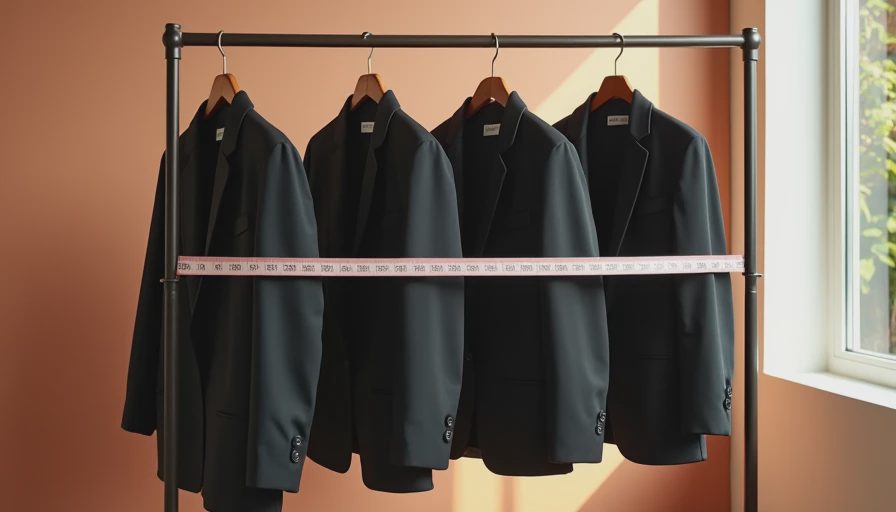
The Blazer That Started It All
I bought the same blazer in four different sizes and tried them all on in one marathon fitting session. My living room looked like a clothing explosion. My wife Laura thought I’d lost my mind. But this is exactly the kind of testing the plus-size community deserves.
Welcome to the first official multi-size Try-On review here at Pattern and Person. No single-size influencer nonsense. Just one garment, real sizes, and complete honesty from someone who used to buy this stuff for a living.
The body’s not the problem. The pattern is.
Why I Chose This Particular Blazer
I picked a popular black ponte knit blazer from a well-known plus-size retailer (yes, one I used to work with). It’s marketed as a wardrobe staple — structured but stretchy, professional yet comfortable. The kind of piece many of us reach for when we need to look pulled together.
I ordered sizes 14, 18, 22, and 26 so we could see the progression clearly. Here’s what I found.
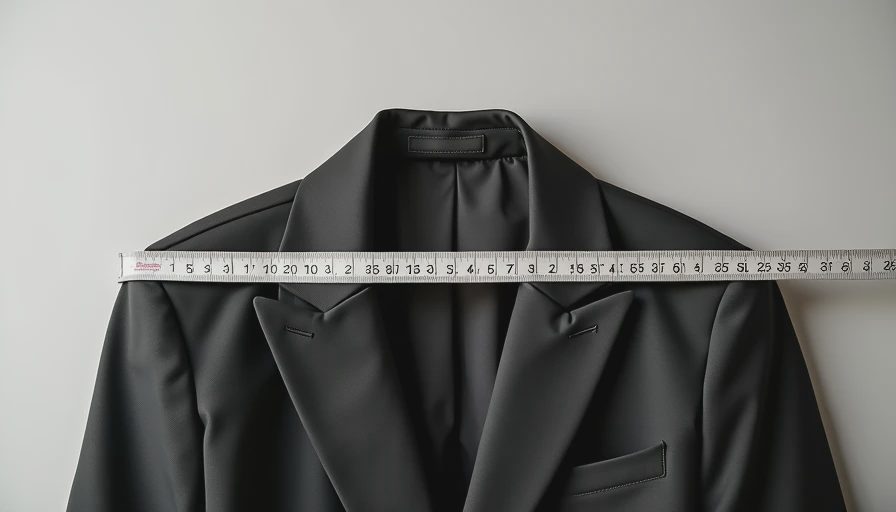
Size by Size Breakdown
Size 14
The blazer felt almost perfect. Shoulders sat right where they should. The armholes allowed comfortable movement. It skimmed the body nicely without feeling tight. Fabric had good recovery. This is what the design team probably had in mind when they created the pattern.
Size 18
Still solid but the first warning signs appeared. Shoulders were just a touch narrow. Armholes felt slightly higher and tighter when I moved. The button pull across the bust was minor but noticeable. Overall wearable with minor tailoring.
Size 22
Here’s where things started to shift significantly. The shoulders pulled forward slightly. Armholes became noticeably restrictive when raising my arms. The side seams started to curve inward instead of falling straight. The fabric stretched more across the bust and upper arms, losing some of its structured look.
Size 26
The blazer was struggling. Shoulders were too narrow, causing the collar to stand away from the neck. Armholes cut in uncomfortably. There was significant pulling across the entire front. The sleeves felt tight through the upper arms. While the length was still okay, the overall silhouette had moved far from the original design intent.
Key Measurements That Changed
I took detailed notes on the critical points:
Shoulder Width: Increased only 0.75 inches total from 14 to 26. Should have been closer to 1.5–2 inches for proper grading.
Armhole Depth: Only 0.5 inches deeper in the largest size. This is nowhere near enough.
Bust Circumference: Good stretch, but the recovery wasn’t consistent across sizes, leading to bagging after wear.
Sleeve Fit: Tightened dramatically through the upper arm in larger sizes.
What This Reveals About the Industry
This blazer is a perfect example of “graded on a computer” rather than “graded with care.” The base pattern was likely created on a smaller fit model and then scaled up with minimal adjustments. The result? A garment that works beautifully for some bodies and disappoints others.
This is exactly why I left corporate buying. Too many decisions are made to hit price points and timelines rather than to serve the full range of customers.
Practical Takeaways for Your Shopping
When trying on blazers (or any structured piece):
Prioritize shoulders and armholes over how it looks standing still.
Test movement — sit, reach, lift your arms.
Check side seams — they should fall straight.
Consider tailoring — sometimes a simple shoulder adjustment makes all the difference.
For this particular style, I would confidently recommend it for sizes 14–18. For larger sizes, I’d keep looking or plan to have it altered.
The Standard We’re Setting Here
Every Try-On review going forward will follow this same rigorous approach:
Multiple sizes tested
Key measurements shared
Movement and real-life wear assessment
Clear recommendations by size range
No more guessing. No more single-size reviews that waste your time and money.
The Hope Behind the Honesty
I don’t share these reviews to shame brands (though some deserve calling out). I share them so you can make better purchasing decisions and so brands see what real plus-size customers actually need.
My six-year-old daughter Nia watched part of this fitting session and declared the size 26 version “silly clothes.” Out of the mouths of babes, right? She doesn’t understand why clothes would be made not to fit people. Neither do I anymore.
What’s Next in The Try-On Series
We’ll be tackling dresses, pants (the dreaded category), workwear, and more. I’ll revisit some popular Torrid and Eloquii pieces with the same multi-size honesty.
In the meantime, I want you to walk into your next shopping trip with higher standards. Demand better grading. Expect more from brands. Your body deserves clothes that work across the full range of sizes they claim to serve.
Thanks for reading the first deep-dive Try-On. There will be many more.
Now if you’ll excuse me, I need to go hang up approximately 15 blazers.
No notes yet — write the first one.