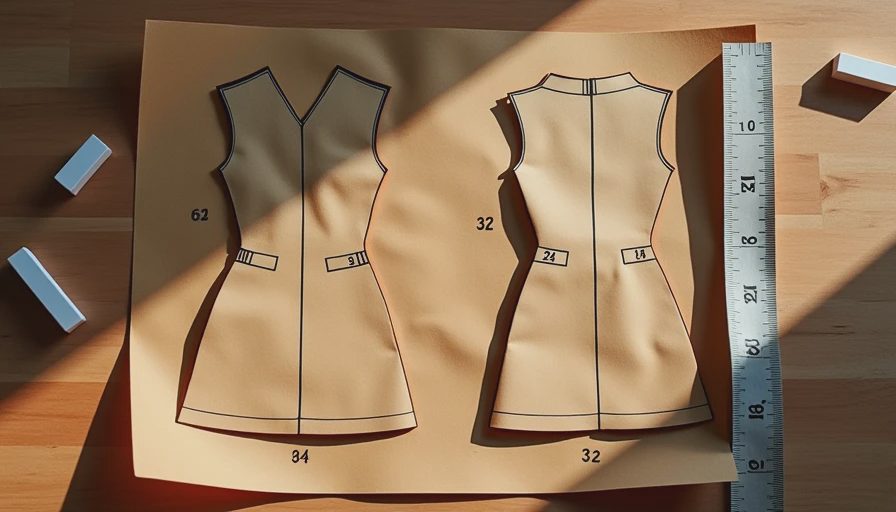
The Magic Dress That Disappears After Size 16
We’ve all been there. You see the model in the size 14 dress looking amazing. You order your usual size, try it on, and suddenly the shoulders are in the wrong place, the armholes are strangling you, and the side seams are doing the twist. What happened?
The pattern. That’s what happened.
Hi, I’m Tessa Brenner — former Torrid plus-size buyer with nine years of arguing with factories about exactly this problem. Today we’re pulling back the curtain on pattern grading, the single most important (and most ignored) factor in whether plus-size clothes actually work.
What Pattern Grading Actually Means
Pattern grading is the technical process of scaling a base pattern up or down across multiple sizes while trying to maintain the original proportions and fit. Sounds simple, right?
It’s not.
When done correctly, every size gets adjustments to things like shoulder width, armhole depth, bust curve, and hip shaping. When done poorly — which happens far too often — brands just hit “scale” in their design software and call it a day.
The body’s not the problem. The pattern is.
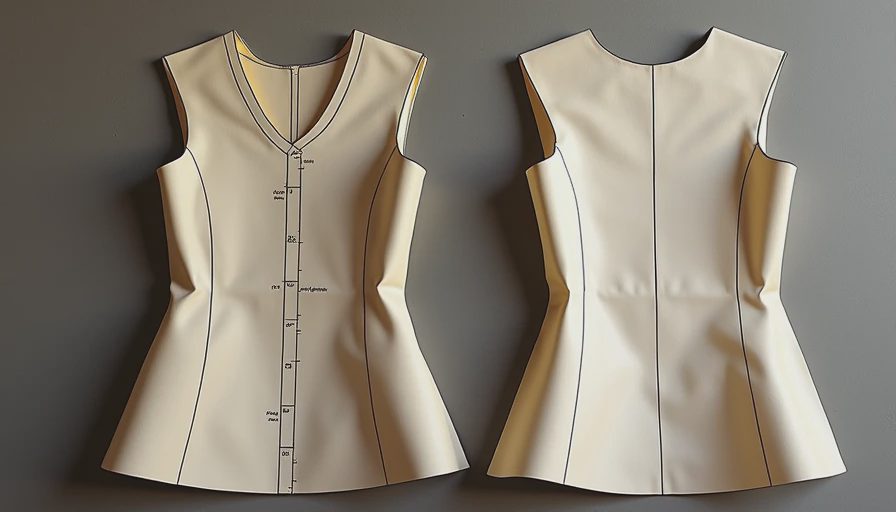
The Anatomy of a Bad Grade
Let me paint you a picture with the infamous “magic dress” example.
In a well-graded pattern:
The shoulder width grows appropriately as sizes increase
The armhole is deepened and reshaped
The bust point is adjusted forward
Side seams maintain their curve
In a lazy “scaled up” pattern:
Shoulders stay too narrow
Armholes remain high and tight
The front bodice pulls across the bust
You get that dreaded “tent with sleeves” look
I once had to reject an entire sample shipment because the size 24 version looked like it had been inflated with a bicycle pump. The factory had simply enlarged the size 14 pattern without making the necessary adjustments. My team spent three weeks reworking the specs.
Real-World Examples I’ve Seen (And Fought)
During my time at Torrid, I reviewed hundreds of styles. Here are the most common failures I saw:
The Shoulder Problem
Many brands keep shoulder seams the same width across sizes. A woman with broader shoulders ends up with sleeves that pull or necklines that gape.
The Armhole Trap
This is the biggest offender. A high, small armhole that works on a size 14 becomes painful and restrictive by size 20+. Your movement is limited and you get that awful “batwing” bunching underneath.
The Bust-to-Waist Disconnect
As sizes increase, the difference between bust and underbust often grows. Brands that don’t adjust for this create tops that either gap at the bust or pull across the midsection.
How to Spot Good vs. Bad Grading in the Store
You don’t need to be a pattern maker to protect yourself. Here’s my buyer-trained checklist:
Look for these red flags:
“One size fits all” grading language on product descriptions
Very limited size range (stops at 18/20)
Photos that only show smaller sizes
Reviews mentioning “runs small in larger sizes”
Green flags instead:
Brands that mention “graded for plus sizes” or “true to size across the range”
Size charts with detailed measurements (especially shoulder and armhole)
Multiple photos across different sizes
Honest customer photos in reviews
The Measurements That Actually Matter
Forget the size tag. When you try something on, check these first:
Shoulder Width — Measure from seam to seam. It should feel balanced, not tight or sliding off.
Armhole Depth — Raise your arms. If it cuts in or feels restrictive, walk away.
Bust Balance — The fabric should skim, not stretch or gap.
Side Seam Alignment — It should fall straight from underarm to hem without twisting.
I still do this in every store I visit. My wife Laura teases me about it constantly.
Brands Getting It Right (For Now)
Some brands are doing better work:
Universal Standard invests heavily in proper grading
Certain Eloquii styles show real attention to armhole shaping
A few independent designers are building patterns from larger fit models
But even these brands can be inconsistent. That’s why I’m committed to testing across multiple sizes here.
What This Means for Your Wardrobe
Understanding pattern grading changes how you shop. You stop blaming your body and start making better choices. You learn which brands to trust and which to approach with caution.
It also explains why some “popular” items sell out in smaller sizes but sit on racks in larger ones. The fit just isn’t there.
Moving Forward With Better Tools
This is just the beginning of our Pattern Room conversations. In future posts we’ll go deeper into armhole science, shoulder-to-bust ratios, and how to “read” a garment before you even try it on.
For now, I want you to walk into your next shopping trip armed with new knowledge. Look at the construction. Feel the fit at key points. Remember that if something doesn’t work, it’s probably the pattern — not you.
You deserve clothes that fit your actual body, not some algorithmically stretched version of a sample size.





No notes yet — write the first one.