Shopping for work clothes for women gets unnecessarily complicated when brands treat plus-size sizing as an afterthought. You need clothes that let you sit through a budget meeting, carry a laptop, reach for a file, and walk into a room without adjusting your sleeves every thirty seconds. The body's not the problem. The pattern is.
I spent nine years negotiating fit specs at Torrid, and I still reach for the shoulder measurement before I look at a size tag. That habit has saved me from more bad blazers than I can count. A professional wardrobe should support your actual workday, not require you to become a part-time tailor.
Start with the pattern, not the size label
The biggest failure in plus-size workwear is lazy grading. A factory starts with a smaller block, enlarges it evenly, and assumes every part of the body grows at the same rate. It does not. Shoulder width, bust circumference, upper-arm room, torso length, and hip depth change in different proportions.
That is why a button-up can fit across your stomach but pull at the bust, or why a blazer closes comfortably while the sleeves make you feel trapped. The armhole curve is often too shallow, which restricts movement even when the garment looks roomy on a hanger. A good pattern gives the upper arm space and lets the sleeve hang from the shoulder instead of dragging the whole jacket backward.
When you try on work clothes for women, move through the motions you actually perform. Sit down. Lift both arms. Reach across your body. Button the front while standing naturally. If the garment only works when you hold perfectly still, it is not a work garment. It is a costume with a zipper.

The pieces that earn their hanger space
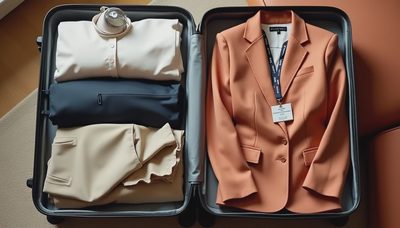
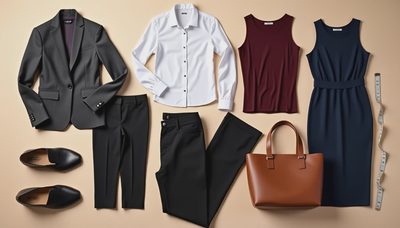
A useful work wardrobe does not need dozens of items. Start with two jackets, three tops, two pairs of trousers, one washable dress, and shoes you can walk in. The magic is in the fabric and construction, not the size of the closet.
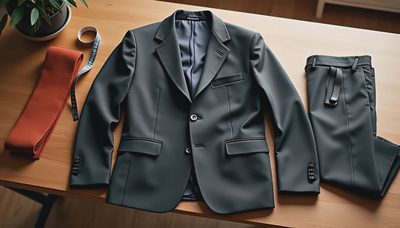
For jackets, look for a lined or partially lined style with a back vent, a shoulder seam that lands where your shoulder ends, and sleeves that reach the wrist bone. Universal Standard has built a reputation around broad size ranges, while brands such as Eloquii have offered office-focused silhouettes with more room through the bust and arm. Still, inspect each garment. A brand can get one blazer right and miss badly on the next season's block.
For trousers, stretch woven fabric is usually more useful than thin, clingy knit. Look for a stable waistband, a rise that stays put when you sit, and pockets that lie flat instead of gaping. Lane Bryant and Old Navy Plus often provide practical price points for testing a silhouette, while higher-priced options can be worthwhile when the fabric resists pilling and the waistband is properly anchored.
A dress can do the work of several outfits, but only if it has enough ease at the armhole and does not rely on a flimsy tie to create shape. Choose a fabric that survives a full day of sitting. A machine-washable ponte or medium-weight crepe is usually more forgiving than delicate polyester satin.
How to build a reliable office formula
The strongest work clothes for women create combinations, not isolated statement pieces. Try a softly structured jacket over a sleeveless shell, straight-leg trousers, and loafers. On a warmer day, swap the jacket for a cardigan with a substantial hem band. For a presentation, use a knit dress with a cropped jacket or long vest, depending on the temperature and your workplace.
Color does not need to mean black, navy, and one exhausted gray. A rust blouse, cobalt shell, olive trouser, or plum cardigan can function like a neutral when the cut is simple. Keep the strongest color near your face if that makes getting dressed easier, then repeat it in a shoe, bag, or small accessory.
For a small wardrobe, pick one trouser color, one jacket color, and three tops that share at least one undertone. That gives you several outfits without forcing every piece into a rigid capsule system. Your clothes are supposed to serve your life, not become another spreadsheet.
Pay attention to care instructions before buying. If a jacket requires dry cleaning after every wear, the real price is higher than the tag suggests. Work clothes for women should survive commutes, coffee runs, desk lunches, and the occasional mystery mark from a printer cartridge.

Brands and buying tactics worth your attention
Torrid remains useful for certain knit tops, ponte pants, and office dresses, although fit can shift between collections. Eloquii is often strongest when you want a more directional blazer, trouser, or coordinated set. Universal Standard is worth examining for polished staples and consistent size-range thinking. Lane Bryant can be a practical source for bras, trousers, and dependable basics. Old Navy Plus is helpful when you want to test a silhouette before investing in a premium version.
Those names are starting points, not guarantees. I have seen excellent and disappointing garments from every major retailer. Read garment measurements instead of trusting the size chart alone. Compare shoulder width, bust, sleeve length, inseam, and hip measurement with a garment you already wear comfortably. If the brand only publishes body measurements and skips the garment measurements, order cautiously and plan to evaluate the actual construction.
Check the inside, too. Loose threads at the armhole, a waistband attached with a single fragile row of stitching, and a pocket bag that twists after one try-on are not minor details. They are predictions. A well-made garment usually shows its intentions in the seams.
A fitting-room checklist for real workdays
Take three minutes before deciding. First, inspect the shoulder seam. Second, close every button or zipper without pulling the fabric into a distorted shape. Third, sit in a chair and check the waistband, back rise, and thigh. Fourth, lift your arms and reach forward. Fifth, look at the hem from the side and back, not just the mirror view from the front.
For a blouse, check whether the bust area pulls horizontally. For a blazer, look for drag lines from the armhole toward the center back. For trousers, watch whether the pockets open when you stand naturally. These signs tell you more than a label ever will. A tailor can shorten sleeves or trousers, but changing a shoulder, raising an armhole, or adding substantial bust room can cost more than the garment deserves.
Also test the fabric under ordinary pressure. Sit for several minutes. Put your phone and keys in the pockets. Walk briskly. If the waistband rolls, the buttons strain, or the fabric becomes transparent under movement, you have useful information. The right work clothes for women should become background support during the day, not a constant series of corrections.
Spend your money where construction matters
You do not need a designer wardrobe to look prepared. Spend more on the pieces that carry the most physical stress: a blazer, everyday trousers, supportive shoes, and a bag with comfortable straps. Save on shells, simple cardigans, and seasonal color when the fabric and seams hold up.
A $35 top that works with four outfits can be more valuable than a $120 blouse that only tolerates one bra and one posture. Likewise, a $90 pair of trousers that stays comfortable through an eight-hour shift may outperform three inexpensive pairs that lose their shape by lunch. The calculation is cost per successful wear, not the thrill of the original discount.
Before you buy, picture one specific week. Can the pieces handle Monday's commute, Tuesday's long meeting, Wednesday's client visit, and Friday's casual office? If the answer is yes, you are building a wardrobe with a job to do. If the answer depends on standing perfectly still, keep looking. The body's not the problem. The pattern is.

No notes yet — write the first one.