Shopping for clothes for women over 60 should not mean choosing between comfort and style, or accepting a rack of beige cardigans as your only option. You deserve sleeves that accommodate your arms, waistbands that stay comfortable through lunch, and colors that make sense for your actual wardrobe. After nine years working as a plus-size buyer, I can tell you that age is rarely the reason a garment fails. The body is not the problem. The pattern is.
Start with the pattern, not the size tag
The first thing I check in clothes for women over 60 is the shoulder-to-bust ratio. A shoulder seam that sits too far inward pulls across the upper chest; one that extends too far outward creates a collapsing sleeve. Neither issue is solved by sizing up. You simply get more fabric everywhere, including places where you did not need it.
Look for a shoulder seam that lands near the end of your shoulder, a bust area with enough ease to let you breathe, and an armhole that does not cut into your underarm when you reach forward. This matters especially in blazers, button-front shirts, and knit tops. Many brands grade a pattern by adding width at the side seams while barely adjusting the armhole curve. That is the shortcut shoppers feel immediately.
Use your measurements as evidence, not as a judgment. Measure bust, natural waist, hip, shoulder width, and sleeve length, then compare those numbers with the garment chart. A 2X at one store can fit like an XL at another because size labels are marketing language, not a universal engineering system.
Build a wardrobe around useful layers
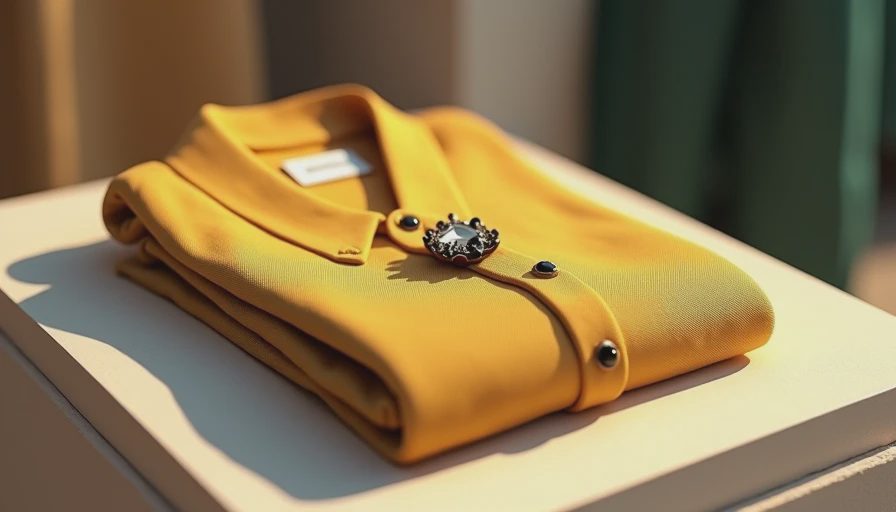
The best clothes for women over 60 earn their hanger space by working in several combinations. Start with a breathable base layer, such as a cotton-modal tee or a smooth knit shell. Add a cardigan, chore jacket, soft blazer, or unlined jacket with enough room through the upper arm. Finish with trousers, jeans, or a skirt that lets you sit comfortably.
A three-layer outfit gives you temperature control without requiring a closet full of specialized pieces. Try a cobalt shell under a gray cardigan with straight-leg denim. For work, pair a jewel-tone blouse with a navy knit blazer and pull-on trousers with a flat front. For a casual appointment, a striped tee, olive utility jacket, and dark denim can look intentional without feeling precious.
Fabric matters as much as color. Look for cotton blends, washable merino, Tencel, ponte, and linen blends with a little structure. Very thin jersey often clings, twists at the side seams, and loses its shape after washing. Very stiff woven fabric can create drag across the bust and upper arm. The goal is fabric that follows movement rather than fighting it.
Choose clothes for women over 60 by real-life activity
A wardrobe for a retired professor, a grandmother traveling by train, and a small-business owner will not look identical. Good clothes for women over 60 begin with the life you lead. If you walk several blocks each day, prioritize supportive shoes, stretch trousers, and a jacket with secure pockets. If you attend meetings or volunteer events, choose polished separates that can be worn together or apart.
For travel, I like a pull-on pant with a stable waistband, a knit top that resists wrinkles, and a washable jacket with interior pockets. A scarf can add color without introducing a complicated fit problem. For evenings, a midi dress in ponte or a fluid woven fabric often offers easier movement than a heavily structured cocktail dress. Add low-heeled boots, loafers, or a supportive sandal depending on the season.
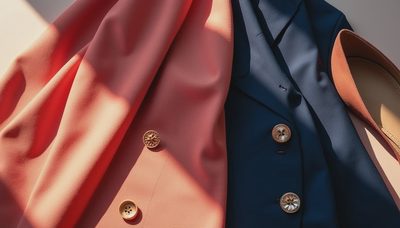
Pay attention to closures. Large buttons, magnetic snaps, and two-way zippers can be easier to manage than tiny buttons at the back of a blouse. That is not a concession; it is smart design. Designers should have been making these details standard for everyone years ago.
Brands and retailers worth investigating
No brand gets every category right, and a good experience in one size range does not guarantee a good experience in another. Still, several retailers offer useful starting points for clothes for women over 60. Universal Standard is known for extended sizing and a clean, modern range of basics. Eileen Fisher is a strong place to examine relaxed silhouettes, washable fabrics, and simple layering pieces, though prices can be substantial. Chico's often offers travel-friendly fabrics, coordinated separates, and distinctive accessories, but check each garment's measurements rather than relying on its size number.
For plus-size shoppers, Universal Standard, Lands' End, Talbots, and select pieces from J.Jill can be worth comparing by category. Lands' End frequently provides practical swimwear, outerwear, and casual layers. Talbots can be useful for polished knit jackets and button-front shirts, although size availability varies by item. The important part is not the logo. Study the garment measurements, fiber content, return policy, and customer photographs.
Brands that publish garment measurements are giving you better information than brands that offer only a vague S-through-XXL chart. I will always choose measurable information over a glossy promise.

Color, proportion, and personal style
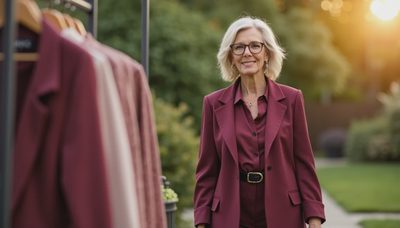
Clothes for women over 60 do not need to become muted, shapeless, or overly traditional. Color is a tool for expression. Try tomato red, saffron, teal, orchid, or a clear white if those shades make you happy. If a bright top feels like too much, use color in a handbag, shoe, scarf, belt, or statement necklace.
Proportion creates a finished outfit more reliably than following an age-based rule. A longer tunic can work with a slim ankle pant, while a boxier cropped jacket can balance a wide-leg trouser. A full skirt often pairs well with a closer-fitting knit top, provided the top has enough room at the bust and upper arm. These are visual relationships, not commandments.
Print scale deserves attention too. A small, busy print can look noisy on a larger garment, while a medium stripe or generous floral can create a clearer visual rhythm. Try the item in motion and under ordinary lighting. Dressing rooms are designed for urgency, not honest evaluation, so take a few steps, sit down, lift your arms, and look at the side seams.
A five-minute fitting-room test
When assessing clothes for women over 60, perform five movements before deciding. First, raise both arms to shoulder height. If the garment climbs sharply or the underarm pinches, the armhole needs work. Next, sit down. A waistband that feels fine while standing can become restrictive immediately. Turn sideways and check whether the garment hangs from the shoulder or pulls forward from the bust.
Then reach across your body, as if fastening a seat belt. This tests the back width and sleeve mobility. Finally, walk several steps and check whether the hem, waistband, and side seams stay in place. If a jacket only works while you stand perfectly still, it is not a practical jacket.
Online shoppers can recreate this test at home. Keep tags attached, try the garment with the shoes and undergarments you actually wear, and inspect it in daylight. Compare the shoulder, bust, armhole, and hem before looking at the size label again. A tailor can adjust a sleeve or hem for roughly $20 to $60 in many markets, but major shoulder or armhole corrections are often expensive enough that returning the garment makes more sense.
The most useful clothes for women over 60 support your schedule, your movement, and your point of view. Wear the red blouse. Choose the wide-leg pants if you like their rhythm. Keep the denim jacket that makes every dress feel more like yours. Fashion does not require permission, and getting older does not narrow your options. It should sharpen your sense of what deserves space in your closet.

No notes yet — write the first one.