Professional wear for ladies should do more than survive a conference room. It should let you sit through a three-hour budget meeting, walk between buildings, present to a skeptical board, and still feel like yourself at 5 p.m. If you shop above a straight-size sample range, you already know the industry often treats fit as an afterthought. I spent nine years buying plus-size clothing, and I can tell you plainly: the body's not the problem. The pattern is.
Start with the pattern, not the size tag
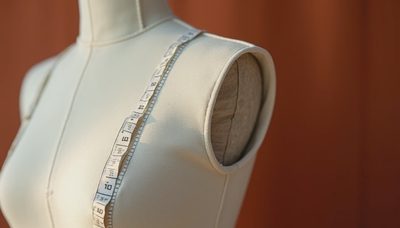
When I evaluate professional wear for ladies, I reach for the shoulder measurement before I read the label. A size number tells you almost nothing across brands. Shoulder width, bust circumference, upper-arm ease, and torso length tell you whether a jacket was drafted for an actual range of bodies or simply enlarged from a smaller block.
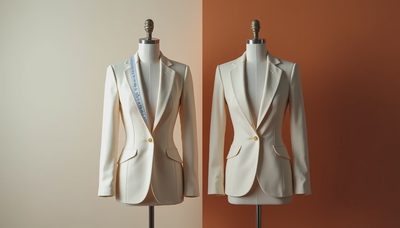
The most common failure is lazy grading. A factory creates a size 6 pattern, adds equal increments around the body, and assumes every other proportion grows at the same rate. It does not. A plus-size customer may need more room through the bust and upper arm without needing a dramatically wider shoulder. Add too much at the side seam, and the jacket swings open. Add too little to the armhole, and reaching for a laptop becomes a daily negotiation.
Try a jacket with your arms crossed, raised, and extended forward. The back should not pull into horizontal wrinkles, and the front closure should not strain at the fullest part of your bust. A little tailoring is reasonable. Rebuilding an armhole is not your responsibility.
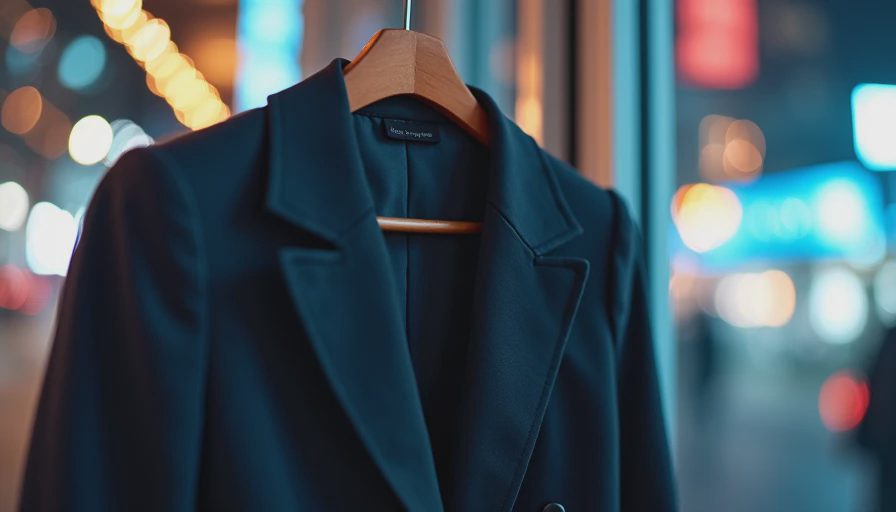
The core pieces that earn their hanger space
A useful professional wardrobe does not require twelve matching suits. Start with pieces that can handle different levels of formality: one structured jacket, two washable woven tops, a knit shell, two pairs of trousers, and a dress that works with a cardigan or blazer.
For professional wear for ladies, fabric matters as much as the cut. Look for ponte, tropical-weight wool blends, substantial rayon, cotton poplin with stretch, and opaque crepe. These fabrics recover after sitting and resist the thin, clingy behavior that makes a garment feel unfinished. Read the fiber content and inspect the care instructions before you fall for a color. A dry-clean-only jacket may be beautiful, but a machine-washable knit blazer could serve you more often.
Trousers need a waistband that stays level when you sit. Pull-on styles can be excellent when the elastic is wide and the fabric has enough recovery; they are not automatically casual. A flat front, pressed crease, and clean hem can look every bit as intentional as a zip fly. Test pockets, too. If the pocket mouth gapes while standing, it will not improve during a presentation.
For jackets, check the button placement. One button sitting directly across the bust can create a pressure point, while a two-button or open-front style may give you more movement. Brands such as Universal Standard, Eloquii, and Lane Bryant have offered useful workwear categories, but inspect each garment individually. No retailer gets every pattern right.
Build outfits around your actual workday
Professional wear for ladies should account for how you work, not an imaginary office where everyone remains upright and perfectly pressed. If you commute by train, choose trousers with stretch recovery and a jacket that does not wrinkle at the elbows. If you spend most of the day seated, prioritize a waistband that feels comfortable when your hips are back in the chair. If you move between a classroom, courthouse, clinic, or client site, layer for temperature changes.
A navy ponte blazer can anchor a printed shell, black trousers, or a column of gray. A jewel-toned blouse can bring energy to a neutral suit without requiring a completely new outfit. A midi dress with a defined shoulder and comfortable sleeve can work for a presentation, then become less formal with loafers and a long cardigan.
Color does not need to be treated as a reward for wearing a certain size. The right color is the one you enjoy seeing in your closet and can combine with at least three pieces you already own. I have watched buyers reject perfectly constructed purple and green garments because they assumed customers wanted only black. That was a merchandising decision, not a rule about professional dressing.
What to inspect before buying
The best professional wear for ladies reveals its quality in small construction details. Turn the garment inside out. Look at seam allowance, lining, button security, and whether the overlock stitching is tidy. On a blazer, check that the lining does not tug at the armhole when you move. On a blouse, examine the placket: buttons spaced too far apart often create gaps, especially across a fuller bust.
Measure a garment you already love and compare those numbers with the online size chart. Measure shoulder seam to shoulder seam, pit to pit, sleeve length, and the rise of trousers. Do not assume the larger size solves every issue. Sometimes the correct choice is a smaller shoulder with enough bust room, followed by a tailor adding a button or adjusting a side seam. Sometimes the garment is simply drafted poorly and deserves a return.
Read reviews for construction language rather than vague praise. Comments about sleeve tightness, transparent fabric, short torsos, waistband rolling, or inconsistent grading are useful. A review that says “I usually wear a 20” is less useful than one explaining the garment's flat measurements and how it moved during a full workday.

Brands and budgets without the shopping fantasy
Professional wear for ladies exists at several price points, but price alone does not guarantee a sound pattern. Old Navy Plus can be useful for accessible basics and seasonal color. Torrid often offers practical separates and extended sizing, though the fit of structured pieces deserves careful checking. Universal Standard is known for broad size ranges and a more consistent minimal aesthetic. Eloquii has produced statement workwear alongside staples. For premium construction, some shoppers look at brands such as M.M.LaFleur or Lafayette 148, especially during sales or resale searches, but availability and size ranges differ.
A $70 blazer that gets worn twice is more expensive per wear than a $160 blazer that anchors thirty outfits. That does not mean everyone should spend more. It means evaluate cost through use, repairability, and comfort. A $35 blouse with a stable collar and washable fabric can be a better purchase than a $90 novelty top that requires constant steaming.
Consider resale platforms for wool trousers, silk shells, and quality jackets. Inspect photographs for shiny seat areas, stretched buttonholes, and altered hems. A professional wardrobe can grow slowly: one excellent trouser, one reliable jacket, and one top at a time. There is no prize for filling a closet with garments that make you brace before getting dressed.
A practical fitting-room checklist
Take three minutes before deciding on professional wear for ladies. First, put both arms forward as if typing. Second, sit and stand twice. Third, reach overhead and turn your torso. Fourth, check the garment under normal underlayers, not a thin fitting-room camisole. Fifth, photograph the back view if the store allows it, because rear pulling is easy to miss in a mirror.
For trousers, walk, sit, and climb one step. The waistband should remain stable without cutting into your abdomen. For a blouse, bend slightly and check whether the hem rises dramatically. For a blazer, close every button even if you plan to wear it open. Closure tests expose grading problems quickly.
If ordering online, place one order rather than guessing across three unrelated sizes. Use the brand's measurements, save the return deadline, and keep tags attached until you complete a real-life trial. Walk around your home, sit at your desk, and wear the shoes you expect to pair with the outfit. Fit is information, not a referendum on your body.
The best professional wear for ladies gives you room to think about your work instead of monitoring a sleeve, waistband, or button. Choose patterns that respect shoulder-to-bust ratios, fabrics that recover, and brands willing to grade beyond a single sample body. You deserve clothes designed for participation in your life, not a costume built around apology.


No notes yet — write the first one.