
The Day I Handed in My Notice
In the spring of 2023, I sat in a windowless conference room at Torrid headquarters and handed in my resignation. Nine years of my professional life — factory trips, fit sessions, late-night return data analysis, heated negotiations with manufacturers — all wrapped up in a single envelope.
My boss was surprised. “You’re one of the best we’ve had on the plus side,” she said. I believed her. But staying had stopped feeling possible.
This is the story I’ve been building toward since I started Pattern and Person. Not a dramatic exposé. Not a takedown. Just the truth from someone who sat at the buying desk and cared deeply about getting it right for plus-size women.
The body’s not the problem. The pattern is. I left because I could no longer accept how often we made the pattern the problem anyway.
What I Loved About the Job
Let me start with the good, because there was a lot of it.
I loved the women we served. I loved walking into a store and seeing someone light up when something finally fit. I loved mentoring younger buyers and fighting for better fit models. Some of the wins still make me proud — better armhole specs on certain styles, more inclusive photography, pushing for real data-driven grading improvements.
The team I worked with was full of smart, passionate people who wanted to do right by customers. Many late nights were spent genuinely trying to solve problems.
I learned more about product development, supply chain, and consumer behavior in those nine years than most people learn in a lifetime. That knowledge now powers everything I do in my styling studio and through this blog.

The Cracks That Started Showing
Over time, the gaps between what customers needed and what the business prioritized became harder to ignore.
Return rates in larger sizes remained stubbornly high despite our best efforts. We knew why — grading shortcuts, fit model limitations, cost pressures from factories — but fixing them required money and time that leadership often wasn’t willing to invest at scale.
I sat in too many meetings where beautiful technical improvements were shot down because they would “hurt margins.” I watched trends that we knew wouldn’t work for plus bodies get pushed anyway because they sold well in smaller sizes.
The internal data on what actually got kept versus returned told clear stories. But those stories were often simplified or ignored when they conflicted with growth targets.
The Factory Floor Reality
Some of my most memorable battles happened overseas.
I once spent three days in a factory arguing for a two-inch increase in armhole depth for larger sizes. The factory manager kept showing me the cost sheets. I kept showing him the return data. We compromised. It helped, but not enough.
I saw beautiful fabrics ruined by poor construction decisions made to hit price points. I watched fit samples approved on non-representative models and then graded up with minimal adjustments.
These weren’t evil decisions made by cartoon villains. They were business decisions made under pressure. But the end result was the same: too many women opening packages full of disappointment.
The Fit Model Problem
Most plus-size brands, including ours, still relied heavily on size 14-18 fit models for the majority of development. The assumption was that proper mathematical grading would take care of the rest. In practice, it often didn’t.
Bodies diverge in proportion as they get larger. The data showed it. The return rates showed it. Yet changing the system required significant investment in new fit models, updated blocks, and retraining. Progress was slow.
I started bringing my own larger-size samples to meetings and physically demonstrating the issues. Some people listened. Systems, however, are hard to move.
The Day the Scale Tipped
The final push came during planning for a major new collection. We had customer research showing strong demand for better-constructed workwear in larger sizes. The technical team had developed improved patterns that addressed many long-standing issues.
Then the cost analysis came back. Leadership chose the cheaper option — the one using the old grading methods.
I realized I was done compromising on things that mattered this much to the women we claimed to serve. My values no longer aligned with the direction the company was heading under new growth pressures.
So I left.
Life After Torrid: The Styling Studio
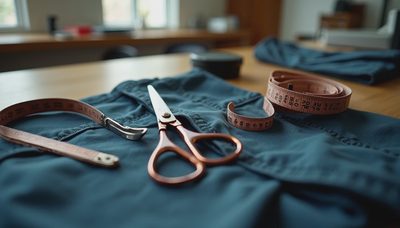
Opening my studio in Baltimore has been the best decision I’ve made. I work directly with women — lawyers, professors, nonprofit directors — helping them build wardrobes that actually fit their bodies and their lives.
No spreadsheets telling me I can’t fix the armhole. No margin targets overriding customer needs. Just real women, real bodies, and clothes that respect both.
I still use everything I learned at Torrid. The difference is I now get to apply it without compromise.
Laura says I’m happier than she’s seen me in years. Nia loves coming to the studio and “helping” with fabric choices. Cuff and Hem have claimed various drawers as their own. The work feels aligned.
What I Wish the Industry Would Do Differently
From someone who’s been on the inside:
Invest in proper fit models across the full size range.
Treat grading as a core competency, not an afterthought.
Be more transparent about measurements and construction.
Prioritize return rate reduction as a key success metric.
Listen to the women who actually wear the clothes.
Progress is happening. Some newer brands are doing it better. But the big players still have a long way to go.
What This Means for You
My departure wasn’t about one company. It was about refusing to participate in a system that consistently let plus-size women down.
This blog, my studio, the way I now approach every garment — it all comes from the same conviction: plus-size women deserve better than afterthought clothing.
Every Try-On, every Pattern Room deep dive, every Rack recommendation is part of that mission.
The Future I’m Building
I still believe in the power of good clothing to help women feel capable and confident. I just believe in doing it differently now.
If you’re a plus-size woman tired of the same old problems, know that you’re not alone — and that there are people fighting for better on your behalf. Some of us used to do it from the inside. Now we’re doing it from the outside, with fewer compromises.
To the team I left behind: I respect the work you do every day. The challenges are real. I hope some of the changes we pushed for together continue gaining ground.
To every woman reading this who has ever felt frustrated in a fitting room: thank you for trusting me with your stories. They fuel this work.
The body was never the problem.
The patterns — and the systems that create them — were.
I left so I could help build something better.
And I’m just getting started.



No notes yet — write the first one.