I spent nine years as a buyer at Torrid, which means I have argued with factories about high rise plus size jeans more times than I can count. The body is not the problem. The pattern is. The pattern usually goes wrong in three places: the rise length, the waistband curve, and the hip-to-thigh grading.
My name is Tessa, and I know this from the inside. I spent nine years in the Torrid buying office before opening a styling studio in Baltimore. I have read the return data, fought with fit models, and watched too many brands launch an 11-inch rise that really measures 9.5.
Why Most High Rise Plus Size Jeans Miss the Mark
The classic mistake is "grade up": take a straight-size pattern and stretch it. As the pattern scales, the rise gets shallower at the center back. So the jeans labeled high rise end up sitting low in the back, gapping when you bend over.
I saw this in the returns constantly. The rise measurement on the tag said 11 inches, but the actual garment measured 9.5 at the center back. Shoppers blamed themselves, but it was the pattern. When I worked with factories to re-draw the waistband with a proper curve, the difference was immediate. A good high rise should stay put from morning to night.
What to Look For in the Rise and the Waistband
Start with the front rise measurement. A true high rise style should have a front rise of at least 10.5 inches, and often 11.5 today. It should sit at or above your belly button. The back rise should be about two inches longer than the front rise, giving you coverage in the back.
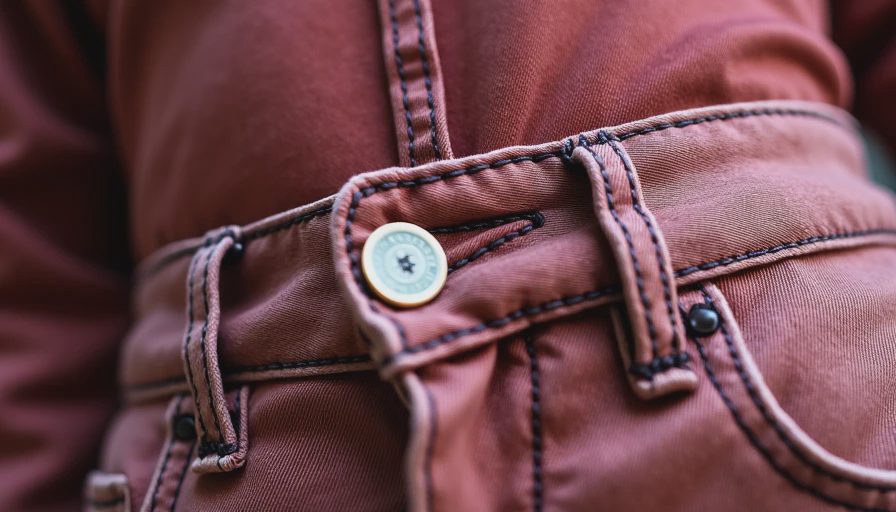
Then check the waistband. Look for a curved shape, not a straight ribbon. A curved waistband follows the natural line of your waist, which prevents gapping at the back and digging in the front. The fabric matters too. You want a denim with 2% to 4% elastane or spandex for recovery. Without it, the waistband will stretch out by the end of the day.
How to Know If a Brand Actually Grades for Plus Sizes
You can spot proper grading from the size chart. Measure the hip at your usual size, then measure the hip one size up and one size down. If the difference between each size is 2 to 3 inches, the pattern is true plus-size grading. If the jump is less than an inch, the brand is scaling up a straight-size pattern and calling it plus. High rise plus size jeans from properly graded brands will also give you consistent inseam options.
Universal Standard, Eloquii, and Old Navy Plus are brands that invest in graded fit models across sizes. Universal Standard even offers free size exchanges for a year on some styles. That confidence comes from doing the work.
Good American is another brand that publishes a detailed size chart with waist and hip measurements for every size. That is a good sign. It means they have nothing to hide.
The Best High Rise Plus Size Jeans I Have Tested
I have tested high rise plus size jeans from every major brand, wearing at least five sizes in each. Lane Bryant high rise jeggings are the most reliable for stretch and color options. Universal Standard Seine jeans are the best investment at around 100 dollars, with excellent pattern grading. Torrid sky-high jeans give you the tallest rise on the market. I also liked the Reconstructed waist classic jeans from Good American, but they run small in the calf, so size up.
For budget shoppers, Old Navy Plus has high rise jeans that dip under 50 dollars. They can run big in the waist, so order your usual size and one size down to compare. Eloquii is another solid choice if you need a wider calf and a curvier fit through the hip.
If you are between sizes, always size up and get the waist taken in. It is easier to take in a waist than to add fabric to the hips.
A Quick Checklist for Your Next Denim Order
Before you buy any high rise plus size jeans, check that the front rise is at least 10.5 inches, the back rise is about two inches longer, the fabric includes 2% to 4% elastane, the size chart shows consistent hip jumps of 2 to 3 inches between sizes, multiple inseam lengths are offered, and reviews from women near your size mention no gapping at the back. If a brand checks these boxes, order with confidence. If not, set your expectations low or skip it. And when you are ready, order three sizes and keep the one that fits best. Returns are usually free.
Final Thoughts
The body is never the problem. The pattern is. This style can be comfortable, stylish, and high-waisted in the best way, but you have to know what to measure. Now you do. Use the checklist, read the size chart, and do not settle for jeans that slide, pinch, or gap.
You deserve denim that works with you, not against you. And with this guide, you can find it.





No notes yet — write the first one.