If you shop for plus size leggings, you already know the problem is usually not the leg itself. It is the waistband that folds, the rise that lands an inch too low, or the fabric that looks solid in the mirror and goes sheer the second you bend down. I spent years buying plus-size apparel, and leggings were one of the easiest categories for brands to get lazy with. They scale a straight-size pattern, add inches where they should add shape, and then act surprised when the product rolls, slides, or bags out by lunch. The body's not the problem. The pattern is.
What actually works starts with the fabric story. A pair can feel amazing on the hanger and still fail once the knit is stretched across a full seat and thigh. Good leggings need recovery, which means they snap back after you sit, crouch, and walk the dog. Look for a dense knit with real spandex or elastane content, not a flimsy brushed finish that turns tired after three washes. Cotton blends can work for lounge wear, but if you want everyday opacity and shape retention, I want a tighter knit, a waistband that is finished well, and seams that do not twist after one wear. When I fit plus size leggings for clients, I pull the fabric at the knee, the seat, and the waistband before I ever talk about color.
Check the rise and waistband math
A lot of plus size leggings fail because the rise is built from the wrong starting point. Brands will add width to the waist but not enough depth through the front and back rise, so the waistband tries to sit where the body does not actually want it. That is when you get the constant hike-up. For most shoppers, a higher rise is more useful than a dramatic control panel. You want the band to sit above the widest part of the stomach and below the rib cage, with enough depth that it does not fold when you sit. I also like a waistband with clean elastic encased inside the fabric instead of a hard, skinny strip that cuts in. If the back rise is short, the leggings will tug down every time you move, no matter how much stretch the fabric has.
The other thing I watch is opacity under stretch. Stand in front of a mirror, then bend, squat, and twist. If the knit turns cloudy or the seams flash, pass. Good plus size leggings should look composed in motion, not just when you are standing still in a fitting room. If the brand offers inseams, that helps too. A 25-inch inseam can work as a crop, 28 inches often lands at the ankle, and 30 or 31 inches usually gives a cleaner full-length line for taller shoppers.
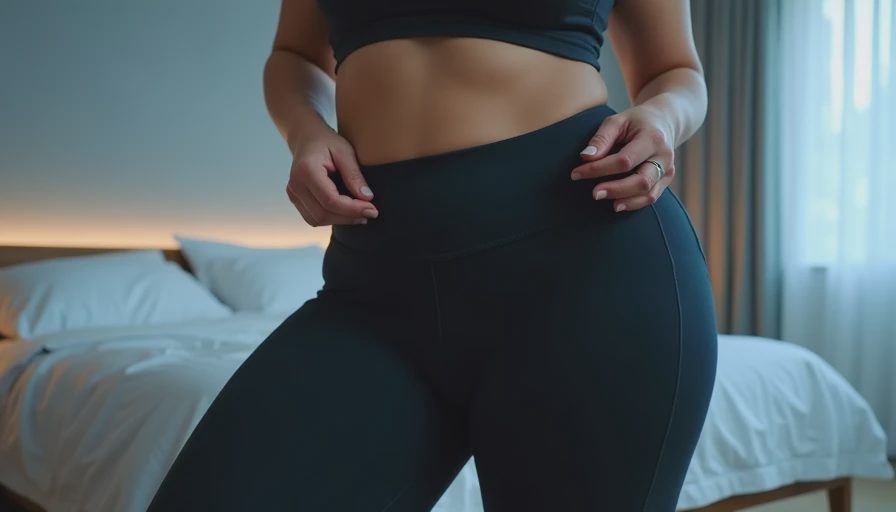
Use the dressing room like a test lab
I treat plus size leggings like a quality check, not a vibe check. First, I sit down. If the waistband bunches or the front dips, the rise is wrong. Then I walk the store for a minute or two, because some fabrics only fail once the thighs start rubbing against each other. Next comes the squat test, and I do not mean a tiny half bend. I mean enough movement to see whether the fabric goes sheer at the seat or whether the gusset holds the center seam in place. A gusset matters more than most brands admit. It gives the garment room to move without splitting stress along the inseam.
Pay attention to the side seam too. If it migrates forward on the leg, the pattern is off. If the waistband twists, the elastic is either too narrow or the cut is fighting your shape. I also check pocket placement, because side pockets can be useful or they can drag the whole leg line off balance. A well-placed pocket should lie flat and stay flat when you stuff in a phone. A sloppy one pulls, flares, and ruins the drape.
Why grading breaks at larger sizes
This is where the industry nonsense shows up. A brand will build a size small, then grade it up without rethinking the proportions. That is fine if you are selling socks. It is a disaster if you are making plus size leggings. The relationship between waist, hip, thigh, and knee changes as the size range climbs. If the manufacturer only adds width, the leg opening can get too loose while the rise stays too short. If they add length without enough circumference, the fabric starts to strain in the seat and the waistband loses recovery.
Good grading is not about making everything bigger in the same way. It is about preserving shape through the size run. That means the waistband height, back rise, and thigh circumference all need to move together. It also means the brand has to test multiple sizes, not just a sample size and one larger fit model. I can usually tell within a minute whether a company did real grading or just made a giant version of the base size. One version sits on the body. The other looks like it is borrowing the body and planning to leave.
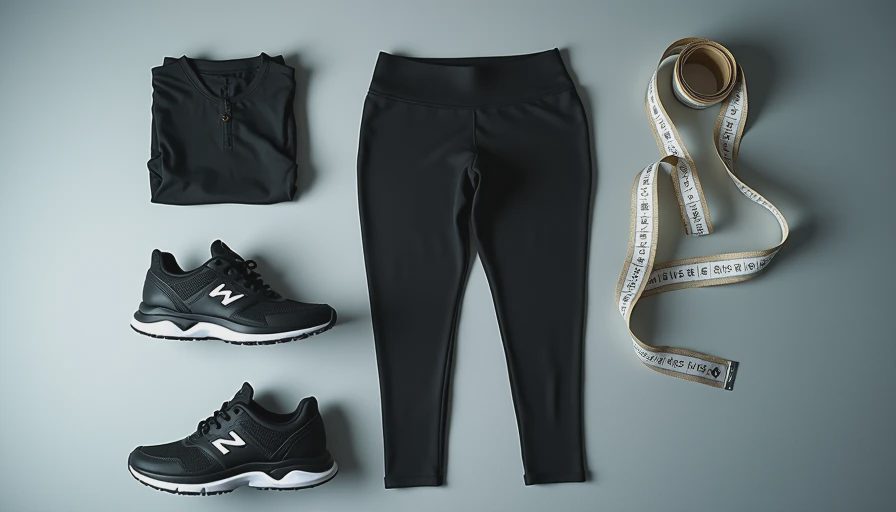
Where I would spend the money
If you want leggings for daily wear, I would start with brands that treat plus sizes as a core business, not an afterthought. Old Navy Plus usually sits in the lower price lane, so it is a good place to test a silhouette without spending much. Lane Bryant and Torrid know the plus customer better than a lot of straight-size brands that only added extended sizing last year. Universal Standard tends to price higher, but their whole business is built around a wider size range, and that usually shows up in more thoughtful grading. Athleta is worth a look if you want a more athletic hand feel and a cleaner waistband, while Girlfriend Collective has built a loyal following around dense knit fabrics and extended sizing.
Price matters less than construction. I would rather pay $48 for a pair that survives a long workweek than spend $24 three times on a legging that slides, pills, and turns sheer. If you order online, buy two sizes when the brand is inconsistent and return the loser. That is cheaper than pretending a bad fit will somehow improve after one wash. Keep the pair that stays opaque, keeps the waistband flat, and still feels normal after a full day of sitting, commuting, and running errands.
If you are building a wardrobe from scratch, start with black, charcoal, or navy, then add one pair with a side pocket or a brushed finish if you actually use those features. The best pair is the one you stop thinking about because it holds up. That is the whole point. The body's not the problem. The pattern is.
If you want plus size leggings that do their job, shop the fabric first, then the rise, then the grading. Everything else is marketing.

No notes yet — write the first one.