Finding a pair of plus size work pants that makes it through a full day of meetings without needing constant adjustment feels like a minor miracle. I spent nine years inside the plus-size fashion industry as a buyer at Torrid, and I've seen the fit-quality gap from the supplier side. The problem isn't that plus-size bodies are hard to fit. The problem is that many brands simply scale up a straight-size pattern and call it a day.
Why So Many Plus Size Work Pants Fail at the Hip and Thigh
The biggest complaint I hear from clients in my Baltimore styling studio is that their plus size work pants fit in the waist but bunch, pull, or sag everywhere else. That's a grading failure, not a body failure. When a company designs a size 6, they grade — or mathematically resize — that pattern up to larger sizes. Straight-size grading adds an inch to the waist, an inch to the hip, and a half inch to the inseam for every size step. That works until about a size 14. After that, the proportions change: shoulders get wider, hips get rounder, thighs get fuller. If a brand doesn't adjust the curve, you end up with pants that are simultaneously too tight in the thigh and too loose at the ankle.
I've sat in factory meetings where the fit spec for a size 22 was simply the size 10 pattern multiplied by 1.2. That's not pattern grading; that's photocopying. The result is what you see in fitting rooms across America: waist gaping, side seams that pull forward, and a rise that digs in when you sit. And too many brands know it, because they don't invest in fit models above a size 14.
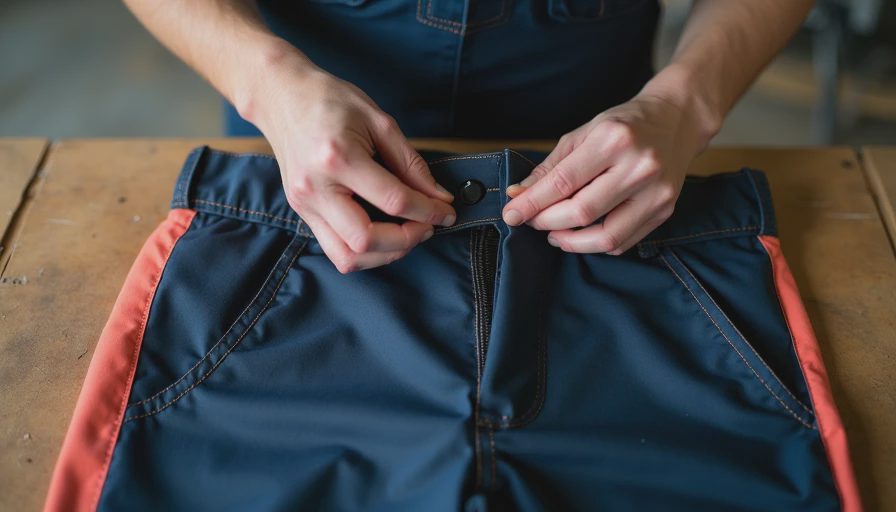
The irony is that the plus-size customer is the one paying full price for less effort. A properly graded pair of pants costs a manufacturer more upfront, because it means multiple fit sessions and separate block patterns for each size cluster. Most brands skip that step. The few that do it right deliver a noticeably different product — one that holds its shape after a full day at a desk.
What Good Pattern Grading Actually Looks Like
When I evaluate a pair of plus size work pants now, I go straight for the shoulder-to-hip ratio. That sounds odd for pants, but it tells me whether the brand built the pants on a plus-size block or a scaled-up straight-size block. Good plus-size pants should have a higher rise in the back than the front, so they don't gap when you sit. The waistband should curve slightly, following your natural shape, instead of sitting flat. The hip and thigh should have extra room where you need it, but the leg should taper gently so it doesn't look like a tent.
I also check the fabric. Stretch is not your friend if it's the cheap poly-spandex kind that loses its snap after two washes. Look for a suiting fabric with at least a little mechanical stretch — like a rayon-blend twill or a ponte that keeps its recovery. A good pair of work pants should still hold its shape when you pull it on in the morning, no fumbling.
The Best Brands for Plus Size Work Pants, Tested Across Five Sizes
I try every pair of pants I recommend across at least five sizes, usually from 14 to 30. There is no single best brand for everyone, but there are a few that consistently grade properly and a few to skip.
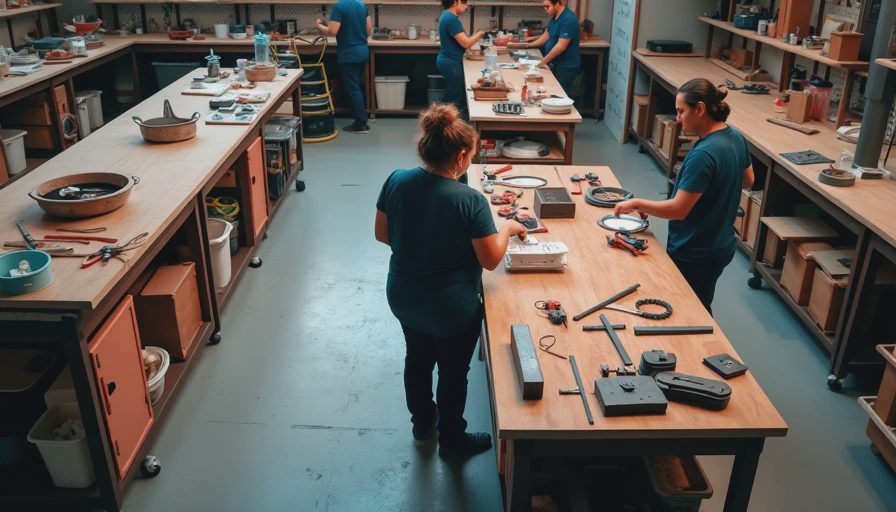
Universal Standard is my top pick for wide-leg and tailored work pants. Their Stretch Twill Wide-Leg Pant gets the rise right, and the fabric has enough weight to drape instead of wrinkled. It runs true to size, which is rare for plus-size clothing. Eloquii is hit or miss, but when they get it right, they get it right. Their Sloan trousers in stretch crepe are a solid choice for a slim fit. Lane Bryant still makes a decent curvy skinny pant, though I would not buy them full price — they go on sale constantly. Old Navy Plus is the budget option I tell clients to start with, especially for a relaxed wide-leg. The fabric is thin, but the fit is surprisingly consistent.
How to Build a Plus Size Work Pants Rotation
You don't need ten pairs of plus size work pants to get through a work week. Four well-chosen pairs will do it. Start with a wide-leg in dark navy, a slim-fit in gray, a straight-leg in ponte, and a mid-rise wide-leg for seasonal color. Match them with your existing blazers and you'll cover every meeting on your calendar.
A Quick Pre-Order Checklist
Before you click checkout, run down this list:
- Does the brand list measurements for waist, hip, and rise?
- Is the back rise higher than the front rise?
- Does the fabric have some mechanical stretch?
- Are the side seams centered, not pulling forward?
If a pair checks all four, it's worth trying. If it misses more than one, keep looking.
Remember, the body's not the problem. The pattern is. When you know what good grading looks like, you stop wasting money on plus size work pants that were never designed for you. Check the rise, feel the fabric, and ignore the size label. The right pair will carry you through a year of meetings and then some.


No notes yet — write the first one.