A plus size blazer dress can do the work of an entire outfit: structured enough for a conference room, polished enough for dinner, and easy to style when your calendar is being unreasonable. But the category also exposes every shortcut in plus-size fashion. A jacket pattern scaled upward without enough bust or upper-arm room becomes a dress that pulls, gaps, or refuses to close. The body's not the problem. The pattern is.
I spent nine years negotiating fit specifications at Torrid, and I still reach for the shoulder measurement before I look at the size label. With a blazer-style dress, that habit matters even more. The garment needs to balance shoulder width, bust circumference, waist placement, sleeve mobility, and hip ease while still reading as tailored. That is a complicated piece of engineering, not just a long jacket with buttons.
Start with the Pattern, Not the Size Tag
The most common failure I saw on buying trips was lazy grading. A factory would receive a base-size pattern, enlarge it in predictable increments, and call the result extended sizing. That approach does not account for how proportions change across sizes. Bust circumference can grow faster than shoulder width, while upper arms and hips need their own adjustments. A competent plus size blazer dress pattern responds to those changes instead of stretching every line equally.
Look first at the shoulder seam. It should sit near the point where your shoulder naturally ends, rather than sliding toward your upper arm. Next, check the bust closure while standing and sitting. If the button pulls into a horizontal line, the garment needs more room through the chest or a better button position. A diagonal pull from the armhole usually signals a shallow armhole curve or insufficient bust shaping.
Then move your arms forward, cross them, and sit down. A blazer dress is not successful if it only works while you stand still in front of a mirror. You need enough back width and sleeve ease to reach for a coffee, carry a laptop, or drive home without feeling trapped.
What Fabric and Construction Tell You
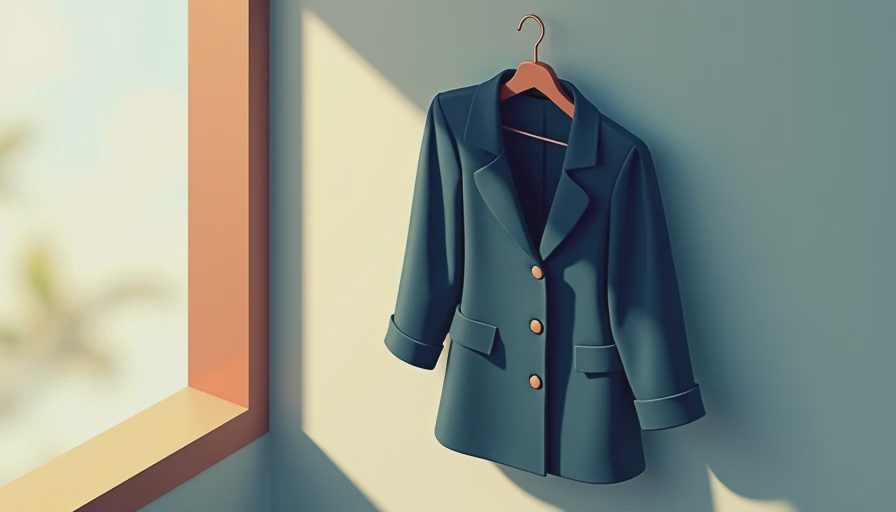
Fabric changes the entire experience of a plus size blazer dress. A woven suiting fabric with a little elastane can provide structure while allowing movement. Ponte offers more stretch and a smoother, sweater-like hand, but it can become heavy when used in a fully lined, double-breasted design. Lightweight crepe often photographs beautifully, yet it needs careful pressing and enough opacity for professional wear.
Read the fiber content, but also inspect the garment in motion. Does the lapel roll back into place after you move? Does the lining catch at the hips? Are the buttons anchored with a shank or simply stitched onto a stressed front panel? These details predict whether the dress will remain useful after a few wears.
I also look at seam allowances. Narrow seams can indicate that a brand is cutting fabric costs, and they leave little room for a tailor to make a practical adjustment. A jacket dress with generous side seams, a properly finished hem, and a lining that stops above the hemline is easier to maintain and alter. None of this is glamorous marketing copy, but it is the information that saves you from an expensive return.
Double-breasted fronts deserve special attention. They distribute buttons across a wider area, but the overlap can add bulk and cause tension at the bust. A single-breasted front with a thoughtful closure position is often easier to fit. Neither option is automatically better; the pattern decides.
Brands and Shopping Pages Worth Examining
Eloquii has long understood that tailoring needs more than a larger circumference, and its suiting collections are often a useful place to inspect lapel proportions and sleeve design. Universal Standard is known for building broader size ranges into its core assortment, although each style still deserves a measurement check. Torrid frequently offers ponte and stretch suiting pieces that prioritize movement, while Lane Bryant remains a practical stop for work-focused tailoring. Old Navy Plus can be a budget-friendly option when the fabric, closure, and measurements line up.
That does not mean every garment from these brands fits every body, or that a higher price guarantees better grading. I have approved expensive samples with disappointing armholes and rejected inexpensive ones that moved beautifully. Product pages should provide garment measurements, fiber content, lining information, and a clear return policy. If the listing gives only a generic size chart, treat that as missing fit information, not a personal challenge.
For a plus size blazer dress, compare your shoulder width and full bust measurement with the garment specifications. If your bust suggests one size but your shoulders suggest another, prioritize the area that controls movement and ask whether the side seams allow alteration. Online reviews are most helpful when shoppers describe height, measurements, closure behavior, sleeve length, and whether the fabric stretches.
Styling Without Turning Your Body Into a Project
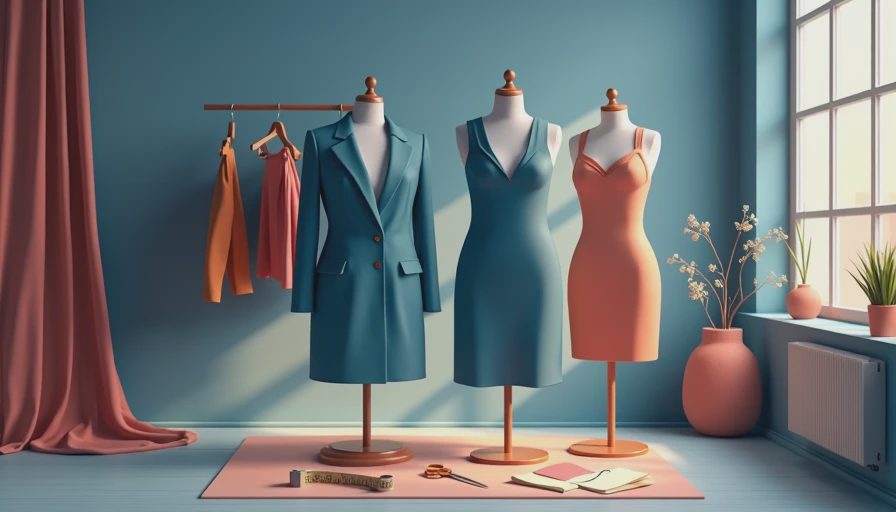
The easiest way to style a plus size blazer dress is to decide what job it needs to perform. For a workday, try opaque tights, a low-profile loafer, and a structured tote. For an evening event, swap in a slim ankle boot or a clean pump and add a small shoulder bag. A fine-knit shell underneath can make a deep neckline more comfortable without changing the tailored line.
Accessories should support the outfit, not act as camouflage. A long pendant can add movement, while a compact earring keeps the lapels visually clear. If the sleeves are generous, a watch or cuff can give the wrist a deliberate finish. You do not need to create an optical illusion or dress according to a list of body rules. You need clothes that let you move through the room as yourself.
Length is personal and practical. A hem that lands around the knee can work with flats, boots, or heels. A midi length creates a more dramatic column but needs a walking slit or enough stride room. Sit down before deciding. If the hem climbs sharply or the slit opens farther than you intended, the problem is the garment's ease, not your legs.
A Fitting-Room Test That Takes Five Minutes
When trying on a plus size blazer dress, close every intended button and zipper before judging the silhouette. Stand naturally, then turn sideways. Check for pulling across the bust, collapse at the back neckline, and excess fabric under the arms. Raise both arms, reach forward, sit, and walk several steps. A sleeve that feels fine at rest can become restrictive as soon as the armhole is cut too high.
Look at the lapel after movement. It should return to its original position instead of folding into a soft wave. Check the lining at the back and hips; bunching often means the lining is smaller than the outer shell. Examine the pockets as well. If they flare open, the hip area needs more ease or the pocket placement is wrong.
Take a quick phone photo from the side and back if the store permits it. Mirrors encourage you to focus on the front, while a photo reveals a collapsing collar or raised hem. Online, perform the same evaluation at home with the tags attached. Give yourself enough time to sit at a desk, walk up stairs, and reach for a coat before deciding whether the construction works.
The Buyer’s Desk Bottom Line
A successful plus size blazer dress is not defined by a size number, a trend label, or a promise that your body will look different. It is defined by competent pattern grading, a shoulder that stays put, a bust closure that does not fight you, and fabric that supports the way you actually live. Those standards are reasonable, and you should not have to apologize for asking for them.
My strongest buying advice is simple: measure the garment, test the movement, and inspect the construction before you fall for the styling photograph. Consider tailoring if the shoulders and bust fit but the waist or hem needs refinement; a small adjustment can cost roughly $25 to $75, depending on the work and your local tailor. If the armhole is fundamentally wrong, spend your money elsewhere. That is a pattern problem, and no belt can negotiate with bad engineering.
The right plus size blazer dress gives you an outfit with authority and ease, not a set of instructions about taking up less space. Start with the pattern. Always.


No notes yet — write the first one.