Plus size professional outfits should make getting dressed easier, not turn your morning into a negotiation with a broken zipper. I spent nine years buying plus-size clothing, and I can tell you what happens behind the scenes: a pattern gets drafted in a smaller size, scaled up quickly, and sent to production before anyone checks how the armhole, shoulder, or bust behaves several sizes later. Then the garment gets blamed on your body. The body's not the problem. The pattern is.
A professional wardrobe does not require a uniform of black stretch pants and one forgiving cardigan. You can wear color, texture, prints, tailoring, denim, and shoes that express your actual personality. The goal is clothing with enough room, structure, and recovery to support a full workday, whether you are presenting to a board, teaching a class, seeing clients, or working from a home office before heading downtown.
Start with the measurements that matter
Ignore the size tag long enough to measure the garment. I reach for the shoulder measurement first, every time. A shoulder seam that lands too far toward the arm makes a jacket pull across the back and changes the position of the sleeve. Next, compare the bust measurement with the garment's finished measurement. You need wearing ease, not a fabric shell stretched across your chest.
Armhole depth matters just as much. A shallow armhole can feel restrictive even when the torso is technically wide enough. A deeper armhole is not automatically better; it needs a curved shape that follows the body rather than dropping straight down. Look for sleeves with room through the upper arm and cuffs that do not pinch when you bend your elbow.
For plus size professional outfits, I also check where a dart ends, where a blazer buttons, and whether a waistband sits level from front to back. These details reveal whether a company graded its pattern thoughtfully or simply enlarged the original sample. Universal Standard, Eloquii, Lane Bryant, and Torrid have each offered useful workwear categories, but every collection still deserves a measurement check. Brands change factories, fabrics, and blocks. Trust the garment's specs more than the logo.

Build a small wardrobe with real range
Start with three bottoms that can handle your calendar: one straight or wide-leg trouser, one pull-on trouser with a stable waistband, and one skirt or dress if those work for you. Choose colors that coordinate without making every outfit identical. Navy, espresso, charcoal, olive, and deep burgundy can work just as hard as black.
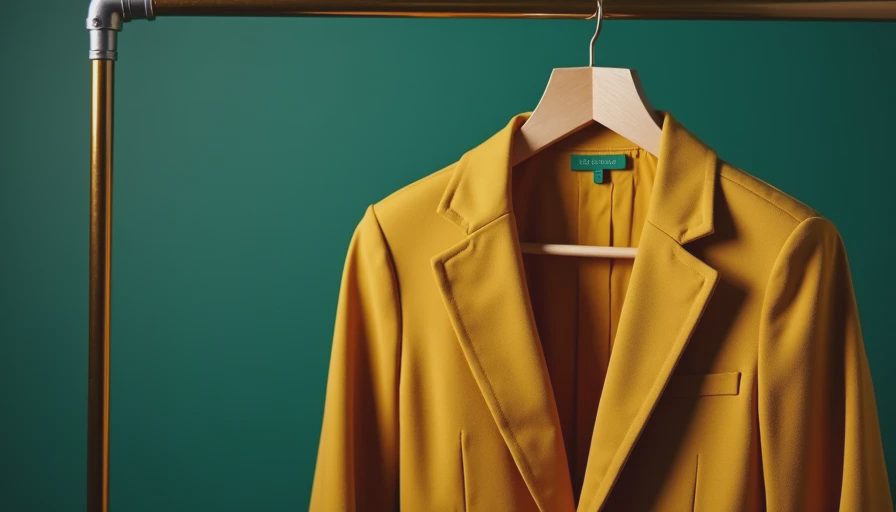
Add two jackets with different jobs. A traditional blazer gives structure for meetings, while a collarless knit jacket or polished cardigan handles travel and long desk days. Look for a front that closes without strain, a lining that allows the sleeves to slide over a blouse, and vents that do not gape when you sit. A jacket that looks excellent standing but climbs toward your neck in a chair has not passed the workday test.
Your tops should create combinations, not single-use outfits. Try a woven shell under a jacket, a fine-gauge knit with trousers, and a button-front shirt worn open over a tank. Fabric matters: rayon blends can drape nicely but may wrinkle, ponte offers recovery and structure, and cotton poplin feels crisp but needs enough bust ease. Read the care label before buying five versions of anything. Dry-clean-only workwear becomes expensive clutter quickly.
Plus size professional outfits become far more practical when each layer works with at least three other pieces. A burgundy blouse might pair with charcoal trousers, a navy skirt, and an olive jacket. That is a wardrobe system, not a closet full of isolated purchases.
Why tailoring often fails at larger sizes
Here is the industry failure nobody wants to discuss: pattern grading is not a photocopier. Bodies do not expand evenly in every direction. As a pattern moves from a 14 to a 22, the bust, waist, hip, upper arm, shoulder, and torso length need different adjustments. When a factory uses a simple percentage increase, the jacket can become too long while the bust remains tight, or the shoulder can grow more than the wearer needs.
That is why a blazer can fit across the stomach but pull at the armhole. The factory solved one measurement and ignored the ratio between several others. It is also why a dress can have a generous hip but a neckline that falls away from the body. The pattern was graded as a shape, not engineered for a range of people.
When shopping, inspect the side seam and shoulder seam in a mirror. If the side seam swings forward, the front may need more room. If the shoulder collapses while the bust pulls, the upper-body proportions are mismatched. A tailor can adjust a hem, sleeve length, or simple side seam, but they cannot always rebuild an armhole or add significant bust room economically. Start with the best base pattern you can find.
Outfit formulas that work beyond the office
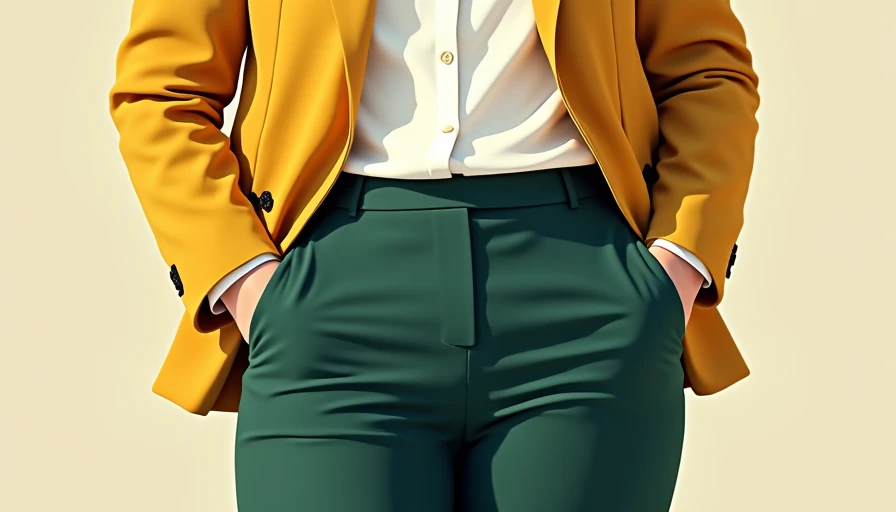
For a presentation, try a knit shell, high-rise trousers with a level waistband, and a structured jacket. The shell prevents the awkward gap that can happen with a button-front shirt, while the jacket supplies visual structure without requiring every layer to be rigid. Add a low block heel, loafer, or clean sneaker depending on your workplace.
For a business-casual day, combine a patterned blouse with solid trousers and a cardigan that has enough shoulder width. If the blouse is busy, keep the accessories simple. If the outfit is neutral, use a bright bag, enamel earrings, or a printed shoe. Professional does not mean invisible.
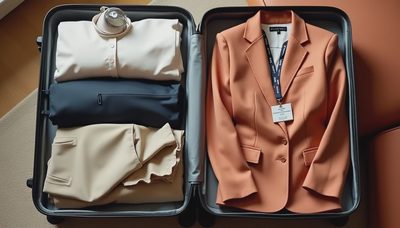
For travel, choose ponte trousers, a washable top, and an unlined jacket with stretch. Test the seated version before leaving home: cross your legs, reach for a laptop, and lift your arms as if placing a bag overhead. Clothing that survives those movements earns its place in a suitcase.
For plus size professional outfits that need to move between meetings and dinner, a midi dress with a defined shoulder and substantial fabric is a reliable starting point. Add a cropped jacket or long vest only if its proportions work with the dress. There is no universal rule about hemlines or volume. There is only whether the garment lets you move and feels like yours.
A smarter fitting-room process
Take two or three neighboring sizes into the fitting room, even when you think you know your usual size. Try the jacket or dress with the posture you actually use, not with your arms held neatly at your sides. Sit down. Reach forward. Turn sideways. Check whether the neckline shifts, the waistband rolls, or the sleeve twists.
Then examine the garment from the back. A horizontal pull across the shoulder blades usually signals insufficient back width. A diagonal wrinkle from the bust toward the side seam can indicate that the front needs more room or that the bust point is misplaced. These are construction clues, not personal failures.
Take a photo if store policies allow it and review the outfit later. Compare the garment measurements with a piece you already love. If you shop online, read reviews for specific information about armholes, sleeve width, fabric recovery, and whether the item was tested while seated. “Runs small” is less useful than “the button sits four inches above my natural waist.”
Brands, alterations, and buying with intention
Torrid and Lane Bryant remain useful sources for certain office basics, while Eloquii often brings fashion-forward color and tailoring into its workwear mix. Universal Standard is known for a broad size range, and Old Navy can be a practical place to check for lower-cost staples. None of these names is a guarantee. Collections vary, and a good brand can release a weak pattern.
Before buying, ask three questions: Can I sit in it for an hour? Does the fabric recover after movement? Can I combine it with at least three pieces I own? If the answer is no, the discount is not a bargain. A $35 blouse that twists after one wash costs more than a $90 blouse worn twice a week for two years.
Keep an alteration budget for hems, sleeve length, and waist adjustments. A $12 hem can turn an almost-right pair of trousers into a dependable one. But do not pay a tailor to rescue a jacket with the wrong shoulder-to-bust ratio. Return the bad pattern and keep looking.
The best plus size professional outfits give you room to think about your work instead of monitoring your clothes. Build around fit, movement, fabric, and your own taste. You do not need permission to take up space in a conference room, and you do not need a wardrobe designed around apology. Start with the shoulder seam, trust your measurements, and let the pattern prove it belongs in your life.


No notes yet — write the first one.