Shopping for plus size professional clothing should not feel like negotiating with a garment that has already decided your body is inconvenient. Yet here we are, standing in a dressing room with a blazer that fits at the bust but pulls across the shoulders, or trousers that require either a safety pin or a personal apology. The body's not the problem. The pattern is.
I spent nine years as a plus-size buyer at Torrid, arguing with factories about armhole curves, waistband construction, and the remarkable industry habit of grading a size 14 into a size 28 as if bodies simply expand in a perfectly uniform column. They do not. Your clothes should account for that.
Why workwear fit breaks down after size 14
Most plus size professional clothing fails because brands begin with a smaller block and enlarge it mechanically. That shortcut often creates a narrow shoulder, shallow armhole, and insufficient room through the bust. The result is a jacket that technically closes but restricts your arms, or a blouse with a button that behaves like it has a personal grudge.
Pattern grading should adjust proportions, not just measurements. As sizes increase, the shoulder-to-bust ratio, upper-arm circumference, back width, and torso length need deliberate changes. A responsible technical team uses fit models across multiple sizes. A careless one checks a sample, approves the production run, and discovers the problem through returns.
This is why the same label can fit beautifully in one size and fall apart two sizes later. It is not a failure of your body to cooperate with the tag. It is a failure to grade the pattern with actual bodies in mind.
What to inspect before you check the size tag
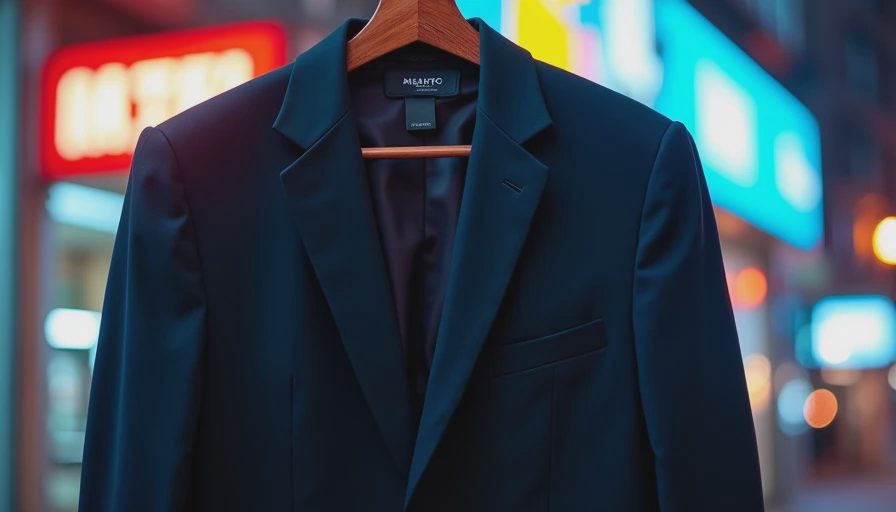
I reach for the shoulder seam first. Every time. Laura teases me about it, but the shoulder tells you whether a jacket has a chance. The seam should sit near the edge of your shoulder, not halfway down your upper arm and not tugging toward your neck. From there, check the bust, upper arm, and back before worrying about the number inside the garment.
For blouses, lift both arms forward. If the hem rises dramatically or the armhole cuts into your underarm, the pattern needs more depth or width. For jackets, sit down and reach for a keyboard. A professional garment has to work during an actual workday, not just while you stand in front of a fitting-room mirror.
Look for fabrics with recovery when you need movement: ponte, stretch wool blends, substantial crepe, and woven fabrics with a small amount of elastane can all be useful. Avoid fabric that feels strained before you move. A garment should not depend on your standing perfectly still to maintain its shape.
Brands and pieces worth investigating
The best plus size professional clothing is not necessarily the most expensive. Universal Standard is known for carrying a broad size range and building many pieces around clean, modern foundations. Eloquii has offered strong office separates, especially when you want fashion-forward color or a sharper silhouette. Lane Bryant remains useful for traditional suiting basics, though individual styles can differ substantially.
Old Navy Plus can be a practical source for lower-cost trousers, cardigans, and knit blazers, particularly when you need several colors for a work rotation. Torrid often does well with ponte jackets and polished dresses, although I always inspect the armhole and sleeve length rather than assuming the brand's usual fit will carry across every category.
The important point is not to crown one retailer forever. Brands change factories, fabrics, and fit blocks. Read garment measurements, inspect customer reviews for repeated comments about shoulders and sleeves, and buy one test piece before building an entire wardrobe. A $70 blazer that works for three years costs less frustration than four $35 jackets returned after one uncomfortable meeting.
Build a working wardrobe around separates
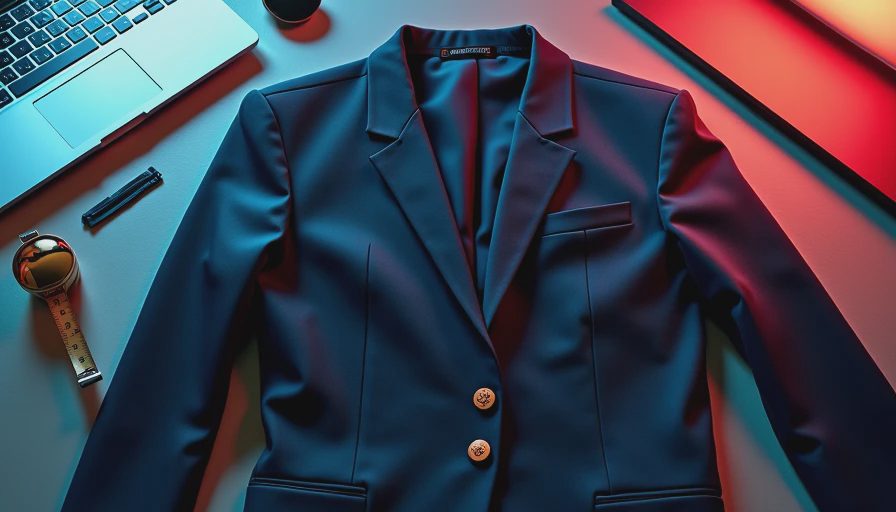
A reliable wardrobe starts with pieces that can talk to one another. Try two pairs of trousers in different fabrics, one straight or wide-leg option, and one ankle or full-length style depending on your shoes. Add two blouses with enough bust ease, a washable knit shell, one structured jacket, and a cardigan that does not collapse into a shapeless lump by lunchtime.
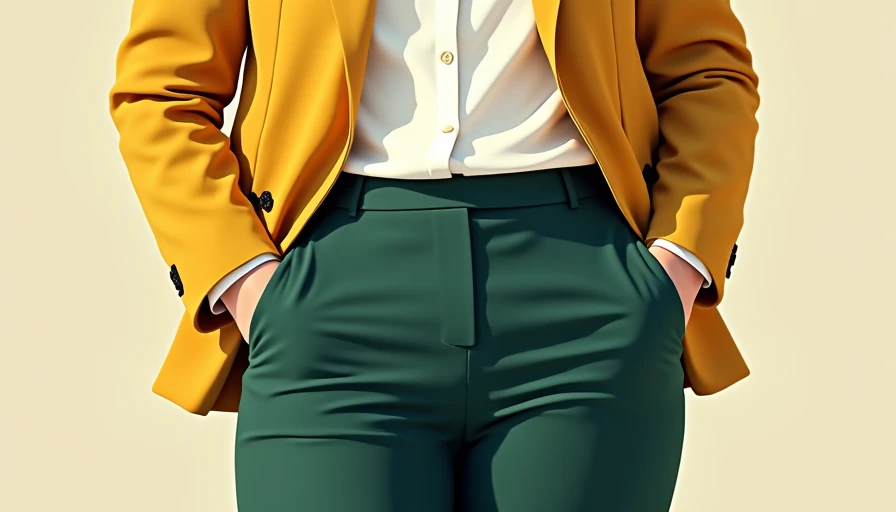
Color does not need to mean navy and black forever. A berry blouse, teal trouser, olive cardigan, or rust jacket can still look completely professional when the fabric has structure and the styling is intentional. The goal is not to make yourself visually smaller. The goal is to make getting dressed less absurdly difficult.
For dresses, check the waist placement while standing and sitting. A true wrap can offer useful adjustability, but inspect the inside tie and neckline to make sure they stay secure during movement. A sheath with stretch can be excellent if the bust and hip measurements are designed together rather than forced into one narrow block.
A smarter fitting-room process
Start with three measurements: shoulder width, full bust, and high hip. Add upper-arm circumference if sleeves frequently feel tight. Compare those numbers with the brand's garment chart, not just its body-size chart. Garment measurements tell you how much actual room the piece contains.
Take two nearby sizes into the fitting room, even if one seems obvious. Try the jacket over the blouse you would actually wear. Sit, reach, raise your arms, and walk a few steps. Check whether buttons gape, whether a waistband rolls, and whether pockets pull open. Those details reveal construction problems faster than a mirror does.
Online shopping needs the same discipline. Save the product measurements, read reviews from customers discussing their usual sizes, and examine photos for sleeve placement and fabric weight. If the return policy is difficult or expensive, test a single item first. No discount is worth being trapped with workwear that makes every morning harder.
The standard should be comfort and authority
Good plus size professional clothing lets you focus on your presentation, your case, your students, your patients, or your team instead of monitoring a button. It should support movement, accommodate the body you have today, and hold up through commutes, meetings, and long afternoons.
When a brand gets that right, reward the construction with repeat purchases. When it does not, send the feedback and move on without blaming yourself. You deserve sleeves with room, trousers that stay put, and jackets drafted for more than one imaginary body. The industry's shortcuts are not your responsibility. Your clothes should meet you where you are.


No notes yet — write the first one.