When plus size work outfits feel impossible, the issue is usually not your body, your taste, or your professional standards. It is the pattern. I spent nine years as a plus-size buyer at Torrid, and I saw how often companies graded a straight-size block upward without rebuilding the shoulder, bust, hip, and armhole proportions. The result was predictable: a blazer that pulled across the back, trousers that gaped at the waist, and sleeves cut for an imaginary arm.
You deserve office clothes that let you focus on the meeting instead of tugging at a waistband. Building a useful wardrobe starts with measurements and movement, not a size label. Shoulder width, bust circumference, rise, inseam, and fabric recovery tell you much more than the number printed inside a garment. The body's not the problem. The pattern is.
Start with the pieces that do the most work
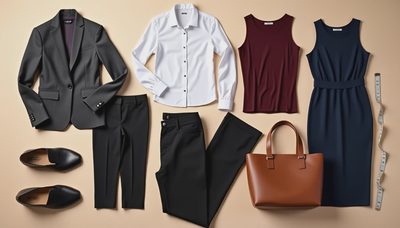
The strongest plus size work outfits usually begin with three dependable categories: a structured layer, a comfortable bottom, and a top that does not require constant adjustment. That might mean a knit blazer, wide-leg trousers, and a woven shell. It could also mean a cropped jacket with a midi skirt and a simple button-front blouse. Your office dress code matters, but the principle stays the same: each item should work with at least two other pieces.
For a blazer, check whether the shoulder seam sits at your actual shoulder rather than sliding toward the upper arm. Close the front and sit down. If the lapels buckle or the buttons strain, sizing up might solve only part of the issue; the manufacturer may have used a narrow bust-to-shoulder ratio. Look for some ease through the back and a lining that allows your arms to move. Universal Standard is known for offering broad size ranges, while Eloquii often provides more fashion-forward suiting and separates. Still, examine the garment measurements because no brand gets every block right.
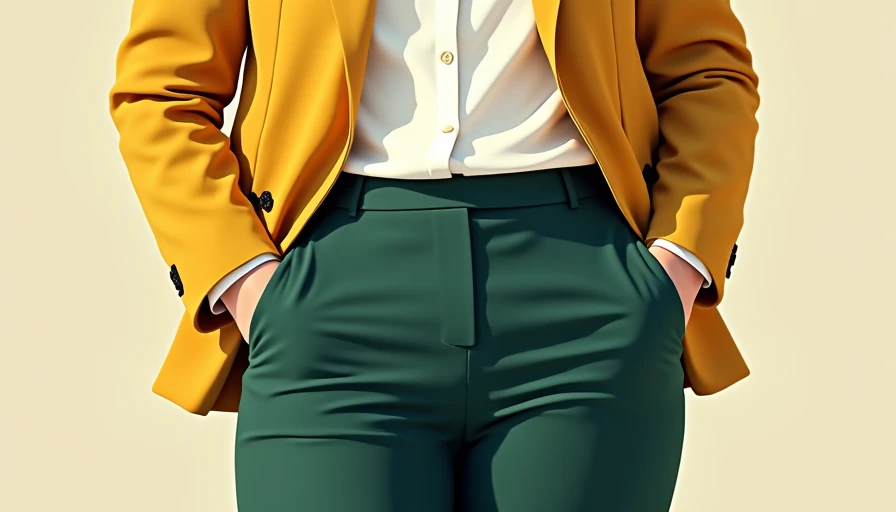
For pants, prioritize the rise and waistband construction. A contoured waistband can sit securely without cutting into your middle, while a flat-front pull-on style can look office-ready when it has a substantial ponte or stretch-woven fabric. Lane Bryant, Old Navy Plus, and Torrid frequently offer several trouser silhouettes, but fit can change dramatically between a stretch cigarette pant and a rigid wide-leg pair. Read the fabric content and measure a garment you already wear comfortably.
Understand what good pattern grading feels like
Pattern grading is the process of increasing or decreasing a base pattern across sizes. In theory, every measurement changes according to a carefully planned ratio. In practice, some companies enlarge the circumference while barely adjusting the armhole curve, shoulder slope, or sleeve cap. That is why a blouse can have enough room at the bust but still pinch under the arm.
When trying on plus size work outfits, make a few deliberate movements. Reach forward as if you are typing. Lift both arms. Sit in a chair. Walk several steps. Notice whether the back rides up, the buttons separate, or the sleeve twists. A properly graded garment should not become a negotiation every time you move.
Fabric can rescue an ordinary pattern, but it cannot perform miracles. Ponte offers structure and stretch for dresses, blazers, and pants. Crepe can drape neatly, though some versions cling or feel warm under office lights. Cotton poplin gives a shirt crispness, but it needs enough bust ease and a well-shaped armhole. A small amount of elastane often improves recovery, while a garment made entirely from thin polyester can develop static and lose its shape during a long day.
The care label also belongs in your decision. A dry-clean-only suit may look perfect on a hanger and become expensive after several months of commuting, lunches, and ordinary wear. Machine-washable separates are often more realistic for a working wardrobe, especially when you need pieces that can rotate through a busy week.
Build outfits instead of collecting isolated pieces
A practical closet does not need thirty “office” garments. It needs combinations that do not all depend on the same pair of pants. Try a navy knit blazer with black trousers and a jewel-tone shell. Wear that blazer later with a printed midi dress. Pair charcoal wide-leg pants with a soft button-front shirt one day and a fine-gauge sweater the next. These are the building blocks that make plus size work outfits feel intentional without requiring a new purchase for every calendar event.
Color can do useful organizational work. Choose two neutrals, such as black and navy or espresso and charcoal, then add two accent colors that suit your actual life. A cobalt blouse, rust cardigan, or green printed skirt can make a repeat outfit look considered rather than accidental. Matching does not require a single-color uniform; repeating one shade in a shoe, belt, or cardigan is enough to connect the pieces.
Accessories should support your schedule. A medium tote with a secure closure, low block heels, loafers, or polished flats can make an outfit more functional than a dramatic shoe you cannot wear from the parking lot to the conference room. If you commute by public transportation or walk between buildings, test the entire combination before keeping it. Office style has to survive your real route.
Where to shop without surrendering your standards
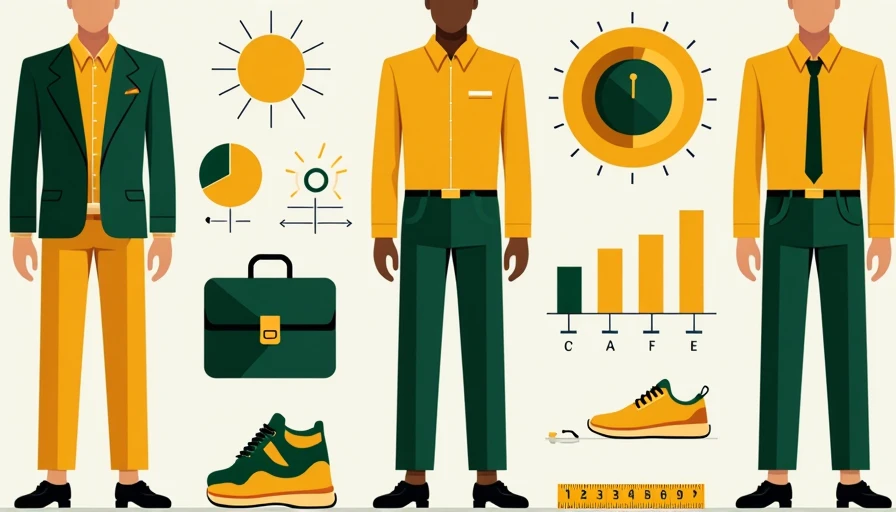
Torrid remains useful for casual-to-business separates and knit layers, particularly when you want current colors and easy care. Eloquii is often a strong place to investigate dresses, blouses, and statement suiting. Universal Standard is worth examining for minimalist staples and a broad size range. Lane Bryant can be practical for foundational pants, bras, and work dresses. Old Navy Plus is helpful for lower-cost experiments, although fabric weight and consistency deserve closer inspection from one style to another.
I am not interested in declaring one brand universally perfect. I have reviewed too many fit samples to make that promise. Instead, compare the garment measurements with your own and read reviews for repeated comments about shoulders, sleeves, waistbands, and length. One isolated complaint may reflect preference; ten people mentioning the same tight armhole indicate a pattern issue.
Shopping online works better when you keep a small measurement note on your phone. Include shoulder width, full bust, natural waist, hip, preferred rise, and inseam. Measure a favorite garment flat as a second reference. When a product page lists finished measurements, compare those numbers with an item you already trust rather than guessing from a size chart.
A fitting-room process that saves money
Take three sizes or nearby measurements into the fitting room when possible. Start with the one closest to your measurements, then assess the next size up and down only to understand the garment’s grading. This is not about chasing a label. It is about identifying where the pattern changes and whether the fabric has enough recovery.
Check the shoulder first, as I always do. Then inspect the bust, armhole, seat, waistband, and hem. Sit, reach, bend, and turn sideways. Look for stress lines pointing toward a button or seam. Horizontal pulling usually signals insufficient width; diagonal wrinkles can indicate a balance problem between the front and back. If the garment fits everywhere except the hem, tailoring may be sensible. If the armhole, shoulder, and bust all fight you, leave it behind.
A tailor can shorten sleeves, adjust a hem, or refine a waistband for roughly the cost of a casual lunch to a full dinner, depending on the work and your location. Alterations cannot add several inches to a narrow bust or rebuild an incorrectly shaped armhole, so do not pay to rescue a bad pattern. Save that money for a garment that respects your measurements from the start.
The office wardrobe you can actually live in
Aim first for two bottoms, two layering pieces, three tops, and one dress that can move across meetings and ordinary workdays. Add a second shoe option and a weather-appropriate coat before chasing novelty. This small system can create many plus size work outfits because every piece has a job and several partners.
Most importantly, stop treating discomfort as proof that you need to change. A waistband that rolls, a sleeve that cuts into your arm, or a jacket that cannot close is information about construction. Take the garment back to the rack, not your body back to the drawing board. The best plus size work outfits give you room to sit, speak, commute, and take up space. That is the standard.


No notes yet — write the first one.