Plus size workwear should let you focus on the meeting, the classroom, the courtroom, or the commute—not on tugging at a waistband that was drafted for someone else. After nine years as a Torrid buyer, I learned that most fit complaints are not mysterious. They come from shallow armholes, weak pattern grading, and jackets scaled outward without enough room through the bust or upper arm. The body's not the problem. The pattern is.
I still reach for the shoulder measurement before I look at a size label. That habit has saved me from many a disappointing fitting room. A reliable professional wardrobe starts with garments built around movement, usable proportions, and fabric that can handle an actual workday.
What separates useful workwear from scaled-up basics
The industry failure is simple: many factories begin with a smaller block and enlarge it mathematically. That approach adds inches to the bust and hip but does not always change the armhole curve, shoulder slope, rise, or sleeve cap correctly. The result is a blazer that closes but pulls across the back, or trousers that fit at the hip while the waistband rolls when you sit.
Good plus size workwear accounts for how measurements change together. A size 22 needs more than a wider side seam. It needs a shoulder-to-bust ratio that makes sense, an armhole with enough depth for movement, and a sleeve that does not pinch when you reach for a file or laptop. Look for back seams, shaped waistbands, stretch panels, and buttons placed where the garment lies naturally rather than where a smaller sample dictated.
During fit sessions, I would ask a model to sit, cross her arms, reach overhead, and walk quickly. A garment that only works while standing still is not professional clothing; it is a photograph prop. You deserve better engineering than that.
Build a working wardrobe around repeatable pieces
Start with two pairs of trousers in fabrics that recover after sitting. Ponte can work well for a polished, comfortable look, while a stretch twill gives structure without feeling rigid. Check the front rise and the crotch curve, not just the waist measurement. If the fabric pulls into diagonal lines from the hip toward the fly, the cut needs more room or a different rise.
For plus size workwear, a straight or gently wide leg often gives you more dependable movement than an aggressively narrow cut. That is not a rule about your body; it is a practical relationship between fabric, stride, and seam placement. Universal Standard has built a reputation for broad size ranges and clean office basics, while Eloquii frequently offers stronger fashion detail in suiting and separates. Their fit still varies by style, so read garment measurements instead of assuming the label tells the whole story.
Add three tops with different jobs: a washable knit for busy days, a woven blouse that works under a jacket, and a fine-gauge sweater for offices that treat air conditioning like a competitive sport. A camisole or smoothing layer is optional, never mandatory. The goal is comfort and a clean base, not correcting your body.
The jacket test I use with every client
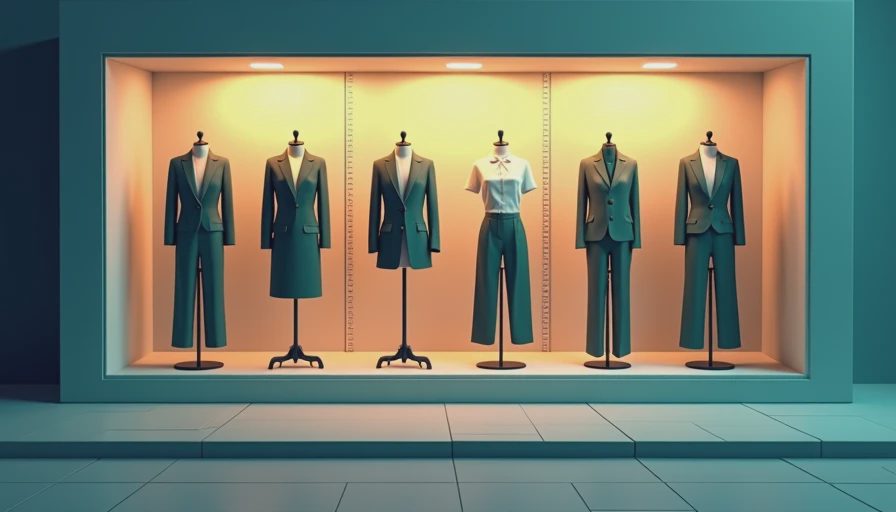
A jacket carries most of the visual structure in professional dressing, and it is where shortcut grading becomes obvious. Try it over the top you will actually wear. Close one button, then reach forward as if you are typing. The button should not form a sharp horizontal pull, and the collar should sit near the neck without choking you. If the shoulder seam lands halfway down your upper arm, the jacket is too broad even if the bust closes.
Pay attention to the armhole. A very low armhole can feel roomy at first, but it often drags the entire jacket upward when you move. A higher, properly curved armhole usually offers better mobility. Look for sleeves with enough bicep circumference and consider three-quarter or bracelet-length sleeves when full sleeves are cut too narrowly. A tailor can shorten a sleeve for roughly $20 to $50 in many markets; changing a tight upper arm is a much bigger job.
Torrid remains useful for accessible office pieces and trend-driven separates, especially when you know which silhouettes work for you. Lane Bryant has long offered practical trousers and suiting options in extended sizes. I would rather see you buy one jacket with a sound shoulder and sleeve than three inexpensive ones that spend the day fighting your movements.
Fabric, care, and the real cost of a garment
A work wardrobe has to survive laundering, transportation, and repeated wear. Before buying, rub the fabric lightly between your fingers and hold it toward a bright window. Thin fabric is not automatically poor, but transparent areas, loose yarns, and shiny stress lines usually signal trouble. A blend containing rayon, polyester, nylon, or elastane can perform well when the weave is dense and the garment is properly constructed.
Check care instructions before falling in love with a piece. Dry-clean-only trousers that cost $90 may become more expensive than washable trousers at $55 after several months. For a capsule wardrobe, three bottoms, four tops, one cardigan, and one jacket can create many combinations. Neutral does not have to mean black; navy, olive, rust, cream, and gray can all function as anchors.
The best plus size workwear also has pockets that hold something useful. A pocket opening should not gape when you stand, and a faux pocket is not a practical feature no matter how charming the product page sounds. I have rejected expensive samples over this exact issue.
How to shop without trusting the size tag
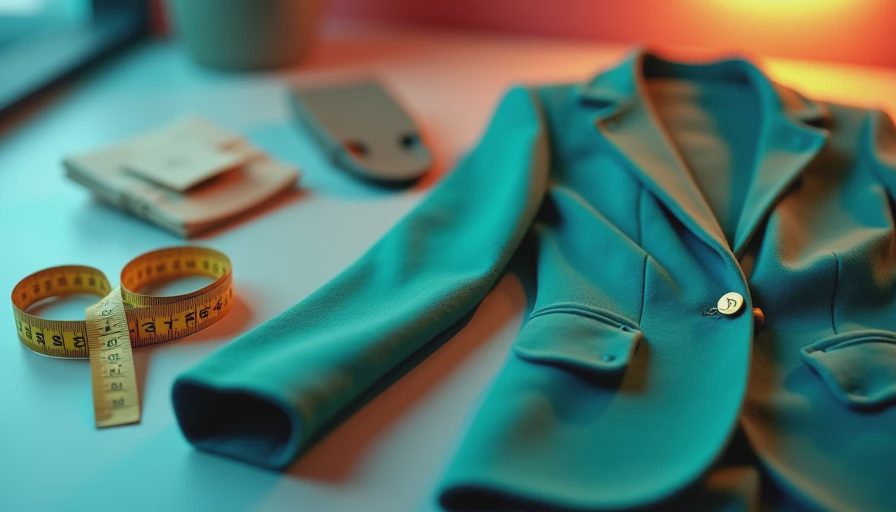
Measure a garment you already enjoy wearing. Lay it flat and record the bust, waist, hip, front rise, thigh, and sleeve circumference. Compare those numbers with the product page. Do not compare your body to an arbitrary chart and assume the smallest possible size is the prize. The useful question is whether the garment has enough ease for sitting, reaching, and breathing.
Order only when the return policy is clear, and try everything on with the shoes, bra, and layers you plan to wear. Take a seated photo for yourself if that helps you evaluate the waistband and jacket front. If a piece fails, note why: shallow armhole, sleeve too narrow, waistband rolling, fabric too sheer, or shoulder seam misplaced. Those notes become a better shopping filter than any influencer's size recommendation.
Old Navy Plus can be a practical source for budget-friendly basics, though measurements can vary between collections. Universal Standard is worth examining for a more consistent size range, and Eloquii often excels when you want a stronger fashion point. The right choice is the item whose construction supports your day, not the brand with the loudest campaign.
A professional wardrobe should make room for your life
There is no single formula for plus size workwear. A professor may need washable layers and comfortable shoes, while a lawyer may prioritize a structured jacket and trousers that hold a crease. A nonprofit director might want color and soft separates that move from a staff meeting to an evening event. Start with your schedule, temperature, commute, and laundry routine.
When I style clients in Baltimore, I ask what they reach for after a long day, not what they think they are supposed to wear. That answer usually reveals the missing feature: a deeper pocket, a softer waistband, a jacket with a real lining, or a shoe-friendly hem. Spend your budget on the construction problem you encounter most often. A $110 pair of trousers that gets worn twice a week can be a better investment than four $35 pairs that never make it through lunch.
Good plus size workwear does not ask you to become smaller, quieter, or less comfortable to appear competent. It gives your body enough room to do the job. Read the seams, test the movement, and remember what the industry would prefer you forget: the body's not the problem. The pattern is.
If you are building from scratch, begin with one dependable trouser, one washable top, and one jacket that passes the reach-and-sit test. Add from there, keeping notes on fabrics and measurements. That process is slower than panic-buying five nearly identical blazers, but it produces a wardrobe you can trust on an ordinary Tuesday and a very important Thursday.



No notes yet — write the first one.