A plus size black dress should not require decoding a factory mistake in a dressing room. I spent nine years buying this category, and the truth is simple: the body's not the problem. The pattern is. If the shoulder is cut wrong, if the armhole is too shallow, if the bust point lands two inches high, black will not save it. It will only make the bad construction easier to spot. The good news is that a few fit checks can separate a dress that earns closet space from one that only looks fine on the hanger.
How a plus size black dress should fit before you buy it
Start with the shoulder seam. I reach for that measurement before I even look at the size tag, because the shoulder tells you whether the pattern was drafted with real grading or just blown up from a smaller sample. If the seam slides onto the upper arm, the whole dress usually feels off, especially in woven fabric. Next, check the bust point. A true fit in a plus size black dress means the dart, seam, or wrap placement lands where your body actually needs shape, not where a size 8 fit model happened to be.
Armholes matter just as much. Too high and you feel trapped the second you raise a hand. Too low and the bra shows, the lining shifts, and the dress starts fighting your body by lunchtime. I want enough room to sit, reach, and breathe without fabric dragging across the chest. That is why a dress with a slightly higher price tag can be worth it. When a brand spends money on better grading, the difference usually shows up in the shoulder, bust, and upper arm first.
If you shop brands like Eloquii, Universal Standard, Torrid, Lane Bryant, or Old Navy Plus, compare silhouettes, not just labels. A $48 knit dress can be fine for errands. A $128 occasion dress should have cleaner seams, a lining that stays put, and enough structure that you are not adjusting it every ten minutes. This is where the industry gets lazy: they call every black dress a staple, then ignore the fit work that makes it wearable.
Fabrics and construction that earn their keep
Fabric is where a lot of plus-size dresses quietly fail. Thin jersey clings where it should skim, and cheap stretch blends can bag out by dinner. A better plus size black dress usually comes in ponte, heavier crepe, scuba knit, stretch twill, or a lined woven with some body. Ponte is the safest bet for office wear because it holds shape without feeling rigid. Crepe works when you want movement without shine. Matte jersey can be excellent if it is substantial enough to recover after sitting and standing all day.
Construction matters just as much as the fiber content. Look for a real lining in any dress over roughly $90, neat seam finishing, and zippers that do not buckle at the waist. If the dress has a wrap front, the inner layer should stay anchored. If it has sleeves, the underarm seam should not sit so close to the pit that you feel every little tug. Black fabric makes sloppy construction easier to spot because puckering and uneven stitching stand out against the color.
The best test is movement. Lift your arms, twist in the mirror, sit down, and cross one leg over the other. If the fabric pulls hard across the back or the neckline floats away from the chest, the pattern is working against you. A solid plus size black dress should move with you in a fitting room, not ask you to stand still like a mannequin.
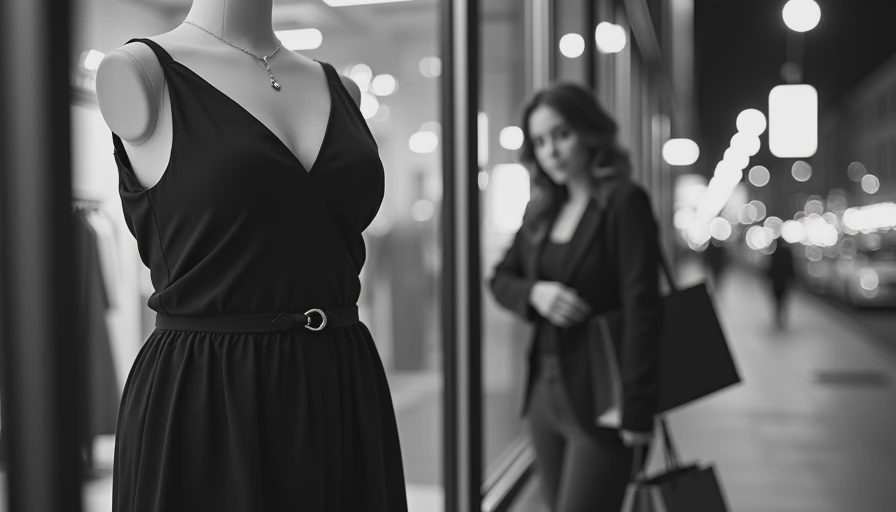
Necklines, sleeves, and length that make the dress easier to wear
A V-neck is popular for a reason: it opens the front and gives the bust some space. A square neck can be just as good if the shoulder placement is solid and the straps are wide enough to hold a bra. Scoop necks are easy and forgiving, but they need enough depth to keep the dress from feeling crowded at the top. Boat necks can look sharp for work, though they demand a precise shoulder line. If that line is off, the whole dress looks like it borrowed a size chart from somewhere else.
Sleeves are not an afterthought. A cap sleeve can be fine on a well-built dress, but too many plus-size brands use a tiny cap to pretend they did sleeve work. It usually just pinches. Elbow-length or bracelet sleeves often feel better because they balance the armhole and give the garment more visual weight. For sleeveless styles, check the bra coverage before anything else. If the armhole is generous but cleanly finished, great. If it cuts in weirdly or gaps at the side, keep walking.
Length changes the entire read of the dress. Knee length works for a lot of professional settings. Midi length feels more current, but only if the hem hits at a point that lets you walk normally. Maxi length can be elegant, especially in a matte fabric, but it should not drag or cling to every step. A good tailor can shorten a hem for about $20 to $40 in many cities, which is a lot cheaper than buying a dress you never wear because the hem is doing too much.
Where brands usually get it right, and where they cut corners
This is where my buyer brain gets loud. Some brands actually grade across sizes; others just stretch the same shape and hope you will not notice. That shortcut shows up fast in a plus size black dress. The 14 might fit, but by the 22 the sleeve opens too small, the bust dart sits wrong, and the waist seam rides up. That is not your body changing into a different species. That is bad pattern grading.
In my experience, Universal Standard often does a better job with consistency across sizes than fast-fashion competitors. Eloquii tends to understand occasionwear construction better than most mall brands. Torrid can be strong when the fabric has enough weight and the silhouette is intended for curves from the start. Lane Bryant still has useful workwear options. Old Navy Plus is usually better for simple casual shapes than for anything that needs precision. None of them are perfect, but the better ones at least seem to understand that a larger size needs more than a scale-up.
Price gives you clues, but it is not magic. Under $60, expect simpler fabric and less internal structure. Around $80 to $150, you should start demanding lining, shape, and clean finishing. Over $150, the dress had better feel intentional, not just expensive because someone added a label. When a black dress costs more and still fits badly in the shoulders, that is not luxury. That is marketing.
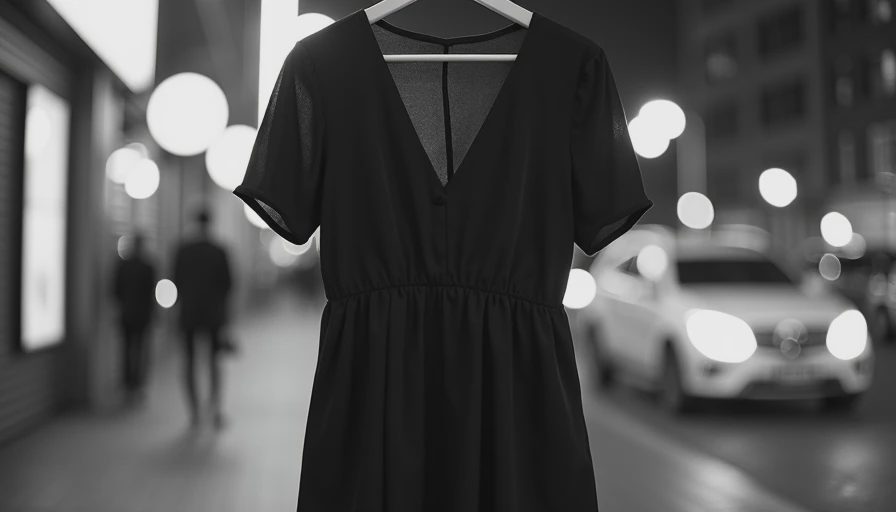
The fitting-room checklist I use when I shop for clients
When I take a client shopping, I do not start with style mood boards. I start with movement. We raise both arms, sit down, walk five steps, and check whether the neckline shifts or the hem kicks up. Then I look at the side seam. It should hang close to vertical, not swing forward or twist around the torso. Twisting usually means the garment was not drafted for the bust and waist relationship on a plus-size body.
I also check the back neck and the upper back. If there is pulling between the shoulder blades, the dress may be too narrow across the upper torso even when the waist feels fine. If the zipper ripples, the fabric probably needs more recovery or the size is too small in the bust. These are the quiet problems that get ignored because the dress looks okay for one mirror selfie. Real wear exposes them in an hour.
A strong plus size black dress makes life easier because it can go from office to dinner with a shoe swap and maybe a different earring, not a full wardrobe crisis. Keep one that fits the body you have now, in the size that fits you now, with construction that respects both. The body's not the problem. The pattern is.





No notes yet — write the first one.