A plus size strapless bra should let you wear the dress, jumpsuit, or wide-neck top you chose without spending the entire evening pulling it upward. That sounds basic. Somehow, the industry still treats reliable support above a D cup like a specialty request. After nine years negotiating fit specs at Torrid, I can tell you the problem usually is not your body. The body's not the problem. The pattern is.
A good strapless bra depends on more than a wide band and a row of hooks. The cup needs enough depth, the underwire needs to follow your actual breast root, and the band needs tension without cutting into your ribs. When those elements are graded badly, the bra slides, folds, or creates pressure in all the wrong places. Here is how to shop with the kind of information most fitting rooms leave out.
Start with the band, not the size label
The band supplies most of the support, but that does not mean you should automatically size down. A band that is too tight can roll at the back, pinch beneath the bust, and make the cups tilt forward. A band that is too loose will migrate south within minutes, especially when there are no straps to stabilize it.
Try the bra on the loosest hook when it is new. You should be able to slide two fingers beneath the band, but you should not be able to pull it several inches away from your body. The center gore should sit against your sternum if the bra is designed with an underwire. If it floats, the cups may be too small, the wires may be too narrow, or the style may simply not match your shape.
Band measurements are useful, but they are not universal instructions. A 42 band at one company can feel more like a 40 or 44 somewhere else because elastic recovery and fabric tension differ. Measure your underbust while standing normally, then compare that number with the brand's chart. Do not let a size tag overrule a band that is clearly sliding.
What separates real cup support from marketing
A supportive plus size strapless bra usually has molded or reinforced cups, a firm lower cup, and a wide underwire that reaches far enough toward the armpit. That structure distributes weight instead of asking one narrow strip of elastic to do all the work. Silicone strips along the neckline and band can improve grip, but silicone cannot rescue a cup that is too shallow or a band that is the wrong size.
Look closely at the cup edge. A completely rigid, straight top edge may cut across fuller tissue, while a lightly elasticized edge can accommodate movement without spilling. Some designs use vertical seams or internal slings to create depth. Those details are not decorative. They are pattern engineering.
The industry shortcut is familiar: take a smaller-size block, scale it outward, and assume every measurement grows proportionally. Bodies do not work that way. Between a 14 and a 22, the shoulder-to-bust relationship, armhole curve, and breast root can change significantly. A company that grades only the circumference may produce a bra with a generous band but shallow cups. That is why a bra can technically be your size and still feel completely wrong.
Brands and styles worth investigating
When readers ask me about a plus size strapless bra, I usually point them toward brands with a long history of fuller-bust construction rather than companies that add a few larger numbers at the end of a size range. Curvy Kate's Luxe Strapless is known for structured cups and fuller-bust sizing, although availability and color selection can change. Elomi's fuller-bust designs are also worth examining when you need deeper cups and a strong band. Goddess has traditionally offered practical construction in extended sizes, while Cacique and Torrid often provide accessible options in broader band ranges.
That does not mean every style from those brands will work for every person. A 38G and a 46G do not have the same volume distribution, even though the cup letter is identical. Read the actual size range, inspect customer notes for band stretch, and pay attention to whether reviewers mention cup depth rather than only appearance. A product page that shows only one model in one size is giving you limited fit information.
For an occasional event, a longline style can offer more stability because the support extends below the bust. It can also feel warmer and less flexible when you sit. A traditional band is easier for daily wear, but it needs especially good elastic recovery. Choose based on the garment and the hours you will wear it, not on a promise that one construction solves everything.
How to fit a plus size strapless bra at home
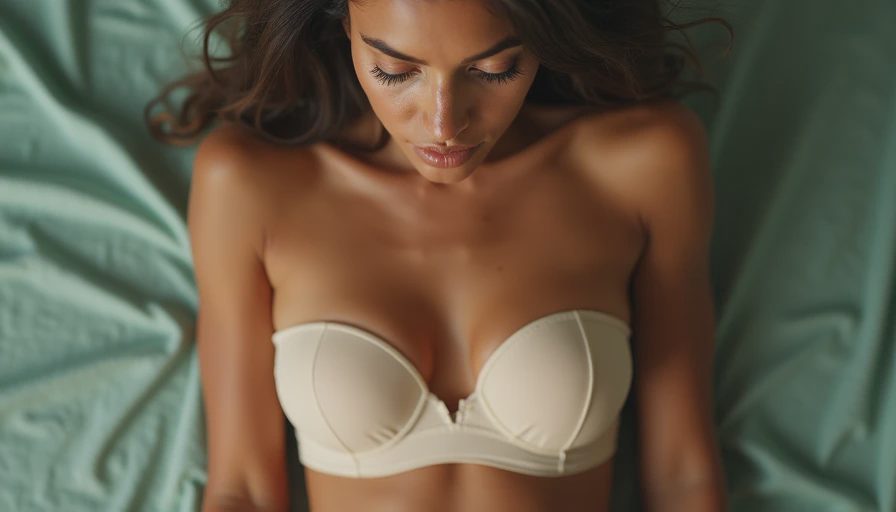
Put the bra on while wearing a thin top, then move through the motions your outfit requires. Raise both arms, bend forward, sit in a chair, twist at the waist, and walk around for five minutes. A bra that feels secure while standing in front of a mirror can still slide when you reach for a glass or climb stairs.
Check four points. First, the underwire should surround the breast tissue without sitting on it. Second, the cups should be smooth without a hard ridge cutting across the top. Third, the center front should remain stable instead of tipping away from your chest. Fourth, the band should stay level from front to back. If the back rides up, the band is likely too loose or the elastic is too soft.
If the cups wrinkle but the band feels firm, try a smaller cup volume only if the wire still reaches around the breast root. If tissue spills at the top or sides, try a larger cup before changing the band. If the band is comfortable but the cups are too wide, a different brand or shape is often smarter than a complicated size swap. Sister sizing can change the balance, but it cannot repair a fundamentally shallow cup.
Matching the bra to the outfit
A strapless bra for a fitted knit dress needs different behavior from one worn beneath a loose linen jumpsuit. For thin or clingy fabric, look for smooth cups and minimal seams. For a structured dress, a longline or firmer molded style can provide a cleaner foundation. A sweetheart neckline needs a cup edge that follows the garment rather than rising visibly above it.
Color matters less than coverage and finish. A nude tone close to your skin can disappear under light fabric, but the correct shade is not always the one labeled nude. Black can show through pale clothing, while white often reflects and becomes surprisingly visible. Test the actual bra under the actual outfit in daylight before an event.
Do not use fashion tape as a substitute for fit. Tape can steady a neckline, but it cannot make a loose band supportive. If you are considering removable straps, check that the attachment points do not create bumps under the clothing. Multiway designs are useful when the strap configuration works with your neckline, but extra hardware can add bulk.
A practical buying checklist
Before ordering a plus size strapless bra, measure your underbust and fullest bust, then compare both numbers with the brand's chart. Confirm the return policy, especially if the item is a final-sale color or specialty size. Read reviews for comments about rolling, cup depth, wire width, and all-day wear. Those details tell you more than a five-star rating alone.
Order one size or style at a time if you can. Trying three radically different constructions at once makes it harder to understand what changed. Keep the tags attached until you have tested the bra under your clothing. Sit, reach, walk, and wear it long enough to learn whether the elastic remains stable.
The best plus size strapless bra is not the one with the most dramatic advertising. It is the one whose band stays level, whose cups contain without pressure, and whose structure respects the measurements of your body. Once you know what to inspect, the search gets far less mysterious. You are not asking for an impossible garment. You are asking a company to grade a pattern correctly—and that is the bare minimum.





No notes yet — write the first one.