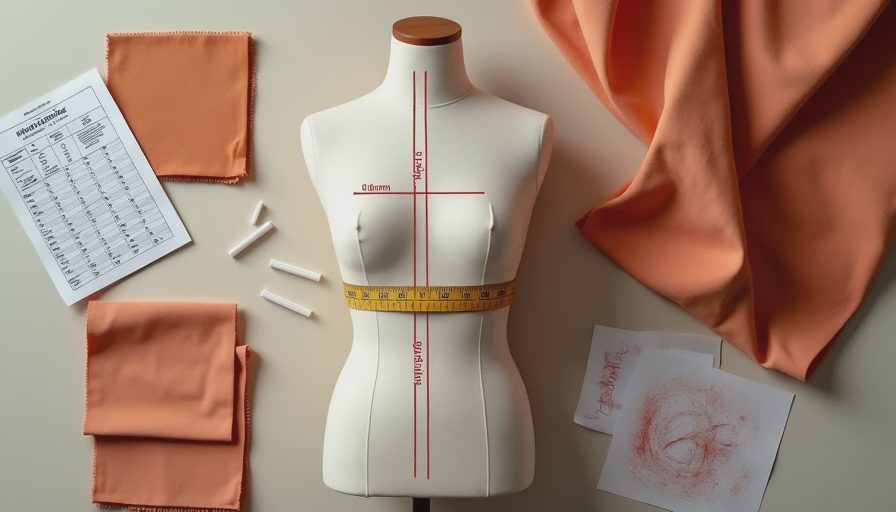
The Measurement Most Brands Ignore (But Shouldn’t)
If I could teach every plus-size woman just one technical fitting concept, it would be shoulder-to-bust ratio.
Not bust circumference alone. Not shoulder width in isolation. The relationship between them. This single ratio explains more fitting room frustration than almost anything else I encountered during my nine years as a Torrid buyer.
Today we’re going deep into the Pattern Room to unpack why this matters, how to measure it on yourself, and how to use it to make dramatically better shopping decisions. No more guessing why that “perfect” top looks terrible on you specifically.
The body’s not the problem. The pattern is. And this ratio reveals exactly where many patterns go wrong.
What Shoulder-to-Bust Ratio Actually Means
Shoulder-to-bust ratio compares the width of your shoulders (measured from shoulder seam to shoulder seam across the back) to your full bust circumference.
As bodies get larger, these two measurements don’t increase at the same rate. Bust circumference often grows faster than shoulder width. When brands use simple proportional grading from a smaller base size, they fail to account for this natural divergence. The result? Tops that are simultaneously too wide at the shoulders and too tight across the bust — or the opposite.
I first noticed this pattern when reviewing return data. “Shoulders too wide / bust too tight” was an incredibly common complaint in larger sizes. Once I started looking at the actual grading specs, the problem became obvious.
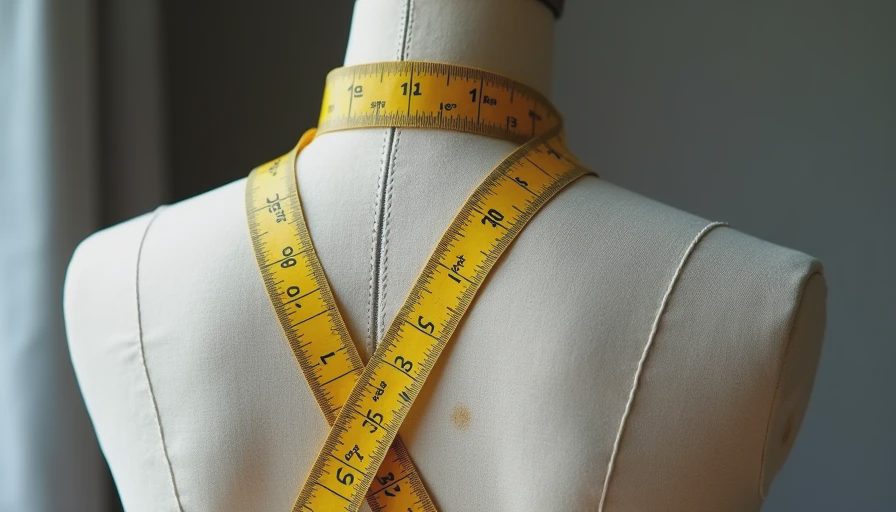
How to Measure Your Own Shoulder-to-Bust Ratio
You’ll need a flexible measuring tape and a friend (or a mirror and patience).
Shoulder Width: Measure across your upper back from the outside edge of one shoulder to the other. Keep the tape straight and parallel to the floor. This is typically taken at the point where a shirt seam would sit.
Full Bust: Measure around the fullest part of your bust, keeping the tape level.
Calculate the Ratio: Divide bust circumference by shoulder width.
Example:
Shoulder width = 18 inches
Bust = 52 inches
Ratio ≈ 2.89
Different body shapes will have different natural ratios. The important thing is understanding your ratio and finding brands whose patterns respect it.
What Happens When the Ratio Is Off
Too Wide Shoulders Relative to Bust:
The shoulder seams fall off your actual shoulders. The top slides backward. Armholes gape. You constantly adjust. This is extremely common when smaller patterns are simply scaled up.
Too Narrow Shoulders Relative to Bust:
The fabric pulls tightly across the bust while the shoulders feel restrictive. You get that “straitjacket” feeling across the upper chest.
Proper Ratio:
The garment sits where it should. The bust has room to breathe without the shoulders swimming. Movement feels natural. You forget you’re wearing it.
During fit sessions in my styling studio, once we nail the shoulder-to-bust relationship, everything else becomes much easier to adjust.
Real-World Examples from the Buying Desk
I once fought with a factory over a beautiful blouse. Their grading kept shoulder width almost static while increasing bust by 4+ inches per size jump. The size 26 sample looked ridiculous on our fit model — the shoulders were floating while the front was strained. We sent it back with new specs. The revised version had a much better return performance.
Another brand we worked with understood this instinctively. Their patterns started with a broader base size and adjusted shoulder-to-bust thoughtfully. Their return rates in larger sizes were noticeably lower. Small changes in pattern making create massive differences in customer happiness.
How to Use This Knowledge When Shopping
In-Store:
Always try raising your arms and moving. Watch what happens at the shoulder seam.
If the shoulder seam wants to migrate, note it. Even if the top is otherwise cute, it may not be worth it.
Compare multiple sizes. Sometimes sizing up for bust room creates shoulder problems. Sizing down creates bust problems. The right brand finds the balance.
Online:
Look for brands that publish shoulder measurements (rare but growing).
Read reviews mentioning “shoulders,” “slides off,” or “too tight across chest.”
Check return policies — but aim to reduce returns by shopping smarter.
Brands Getting This Right (And Those That Don’t)
I’ll continue sharing specific brand insights in future posts, but here’s the general pattern I’ve observed:
Strong performers tend to:
Use larger base sizes for grading
Publish more detailed measurements
Offer multiple fit options (curvy, straight, etc.)
Weaker performers often:
Scale from smaller samples
Rely heavily on stretch fabrics to “fix” poor grading
Show very similar shoulder measurements across wide size ranges
Practical Exercises to Improve Your Fit Awareness
Closet Audit: Go through your tops. Which ones have shoulder seams that stay put? Note their brands and characteristics.
Measurement Journal: Track your key measurements over time. Bodies change. Good data helps.
Movement Test: Make a habit of doing the “hallelujah test” (arms up) in every fitting room.
Share Knowledge: When you find a brand that respects shoulder-to-bust ratio, tell other plus-size women. We all win when better patterns succeed.
Why This One Measurement Changes Everything
Mastering shoulder-to-bust ratio shifts you from passive shopper to informed participant. You stop accepting “close enough” and start demanding clothes that understand your actual proportions.
My clients in Baltimore — lawyers, professors, nonprofit leaders — all report the same thing once we dial in this measurement: they feel more confident, need fewer alterations, and actually enjoy getting dressed for work.
The technical stuff matters because it directly impacts how you move through the world.
Next Steps in the Pattern Room
We’ll keep exploring these foundational concepts. Armhole depth, proper grading across sizes, construction details that last — all of it builds on understanding ratios like this one.
You deserve clothes that fit your actual body, not an approximation of it. Learning to read patterns instead of just size labels is one of the most empowering shifts you can make.
The next time you try on a top that feels magical, take a second to notice where the shoulder seams land. That quiet rightness? That’s good pattern making at work.
And once you recognize it, you’ll never unsee it.
Now go measure your shoulders. Your future closet will thank you.





No notes yet — write the first one.