The best clothing styles for women over 50 are not about dressing younger or disappearing into beige. They are about choosing garments with enough structure, movement, and personality to support your actual life. After nine years working as a plus-size buyer, I still reach for the shoulder measurement before I look at a size tag. The body's not the problem. The pattern is.
A good wardrobe can include wide-leg pants, bright color, denim, tailored jackets, sneakers, and a dramatic sleeve. Age does not create a list of forbidden clothes. It simply gives you more information about what you like, what you will tolerate, and which fabrics make you want to leave the house immediately.
Start With Fit, Not the Number on the Tag
One of the most useful clothing styles for women over 50 begins with fit rather than trend. A label marked 18, XL, or 2X tells you almost nothing about whether the garment will work. Brands grade patterns differently, and some simply enlarge a smaller block without adjusting the shoulder-to-bust ratio, armhole curve, or rise. That is how a blouse can fit across the bust but pull at the upper arm, or why pants feel fine standing up and become a waistband negotiation at lunch.
Try on the garment in the position you actually use it. Sit, reach forward, lift one arm, and walk a few steps. A jacket should not strain across your back when you reach for a steering wheel. A knit top should recover after movement instead of staying stretched at the bust. For pants, check the front rise, back rise, and waistband placement before judging the leg shape. Universal Standard is known for an inclusive size range, while Torrid often offers generous room through the hip and upper arm. Neither brand gets every garment right, so inspect the individual pattern.
When shopping online, compare garment measurements with a piece you already own. Your body is not required to match a brand's spreadsheet. The spreadsheet is supposed to serve you.
Build a Modern Foundation With Strong Separates
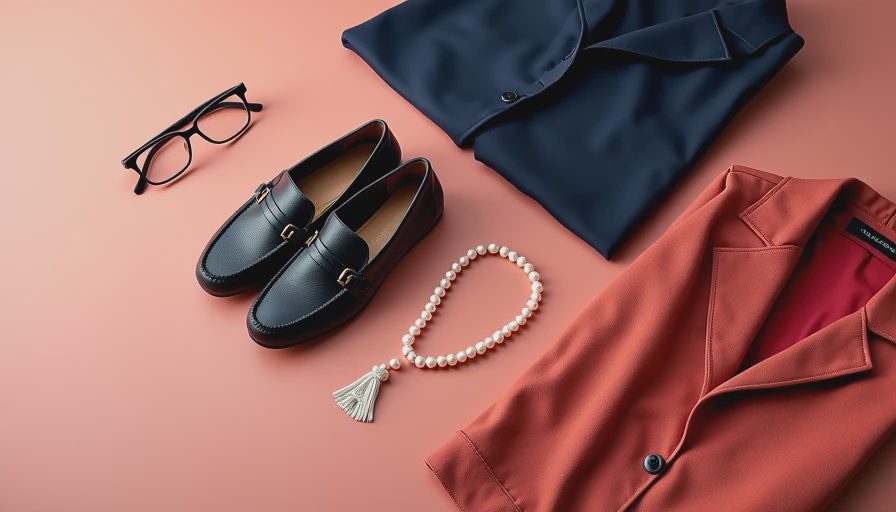
The most dependable clothing styles for women over 50 often come from separates that can be recombined. Start with two pairs of pants, three tops, one jacket, and one washable dress. That small group can support workdays, travel, appointments, and dinner without turning every morning into a retail expedition.
Try a straight or wide-leg trouser in ponte, stretch twill, or a fluid woven fabric. The key is recovery: fabric should move over the hip and return to shape after sitting. A full elastic waistband is not the only comfortable option. Look for a contoured waistband, a flat front with elastic at the back, or a side zip with enough ease through the abdomen. Brands such as Eileen Fisher, Boden, and Eloquii frequently offer distinct silhouettes rather than one universal cut, which gives you more useful choices.
For tops, consider a crisp poplin shirt, a soft V-neck knit, and a silky shell. These work under a blazer or over a camisole and can shift from office to restaurant with a change of shoes. A shirt with a curved hem should have enough length to stay put without making you feel wrapped in extra fabric. If buttons gap, sizing up may fix the bust but create a shoulder problem; a hidden snap or a different cut is often the better answer.
Use Color and Texture as Style Tools
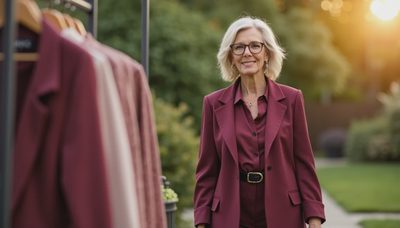
Color is not an age bracket. A cobalt sweater, tomato-red blouse, or emerald trouser can be more useful than another black cardigan because it gives the rest of your closet a clear direction. Clothing styles for women over 50 become more personal when color is treated as a design choice rather than a rule about what is appropriate.
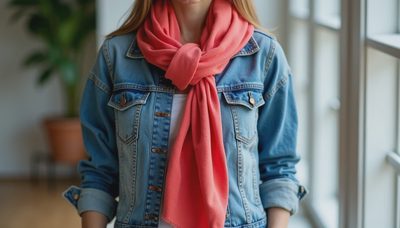
If bright color feels like a big commitment, place it near the face with a scarf, tee, or necklace, then anchor it with denim, navy, chocolate brown, or gray. Texture adds interest without requiring a complicated outfit. Try a ribbed knit with smooth trousers, a brushed wool jacket with a satin skirt, or a linen shirt over a cotton tank. Pay attention to fabric weight. Thin jersey can cling and twist; a slightly denser knit often hangs with more stability and lasts through repeated washing.
I also like one intentional contrast: a polished loafer with relaxed denim, a structured jacket over a graphic tee, or a beaded necklace with a plain sweater. Style comes from the conversation between pieces, not from wearing every current trend at once.
Layer for Temperature and Real Life
Layering is one of the most practical clothing styles for women over 50 because indoor heating, outdoor weather, and personal comfort rarely cooperate. The mistake is buying layers that are all equally bulky. Instead, vary the proportions. Use a close-fitting base, a medium-weight shirt or cardigan, and one outer layer with a clear shoulder line.
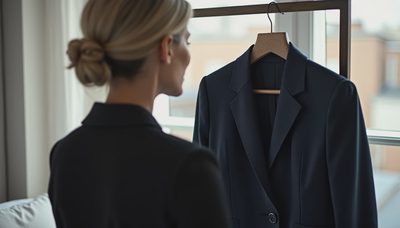
A denim jacket works well over a dress, but check the sleeve width if you plan to wear it over a blouse. A long cardigan can create movement, while a shorter jacket gives a high-rise trouser a defined finish. For travel, a washable knit blazer is often more useful than a formal suit jacket. Look for a lining that does not catch on sleeves and enough back width for reaching, carrying, and sitting.
At my Baltimore styling studio, I ask clients to create the outfit while holding the bag, phone, and coat they actually carry. That catches problems a mirror misses. If a sleeve rides up every time you move, it is not a personal failure. The armhole is too shallow or the bicep grading is stingy.

Choose Dresses That Give You Options
Dresses can simplify dressing, but only when the construction respects movement. Shirt dresses, fit-and-flare styles, column dresses, and wrap-inspired designs can all work across a range of bodies. The useful question is not whether a dress is supposedly age appropriate. Ask whether you can sit comfortably, reach a shelf, wear your preferred bra, and add a layer without fighting the neckline.
Look for adjustable ties, bust darts placed where they actually belong, and enough ease at the upper arm. A true wrap can shift during the day, so a faux-wrap front or an internal snap may be more practical. Boden and Universal Standard often provide clear garment measurements, while Lands' End is useful for washable casual dresses and layering pieces. Read the fiber content and care instructions before you fall for the photograph; a dress that requires constant steaming may not earn closet space.
A dress also does not have to stand alone. Add a cropped cardigan, a long vest, a belt worn where it feels comfortable, or trousers underneath for a tunic-length style. The point is range, not a single prescribed silhouette.
Shop With a Better Fitting-Room Method
Before buying any of these clothing styles for women over 50, make a short test list. Check the shoulder seam first. Then examine the bust, upper arm, rise, and hem. Sit down for thirty seconds. Look at the back in a three-way mirror or take a quick phone photo. Walk under normal lighting, because fitting-room lights have launched many a bad purchase.
Inspect seams, button placement, lining, and fabric recovery. A $35 top that twists after one wash is not a bargain, while a $90 pair of pants worn twice a week can be a sensible cost per wear. Read reviews for repeated comments about armholes, sleeve length, waistband roll, and size consistency rather than relying on a single star rating.
The right wardrobe is not a performance of youth, restraint, or respectability. It is a set of tools that lets you move through work, travel, family gatherings, and ordinary Tuesday errands with fewer clothing arguments. Clothing styles for women over 50 should leave room for color, comfort, authority, and fun. Start with the pattern, test the construction, and let your taste lead. The body's not the problem. The pattern is.
No notes yet — write the first one.