A casual look for women over 50 should not mean elastic-waist pants, shapeless tunics, and a color palette called “subtle” by someone who has never met you. It should mean clothes that fit your actual measurements, support your day, and look like they belong to the woman wearing them. For plus-size shoppers, that requires more than sorting by age. It requires understanding fabric, construction, proportion, and whether a brand graded its pattern properly across sizes.
I spent nine years as a buyer at Torrid, and I learned to check the shoulder width before I checked the size label. Laura still teases me when I do this in a store. She is wrong only because I also check the armhole curve now. The body is not the problem. The pattern is.
Start with structure, not age rules
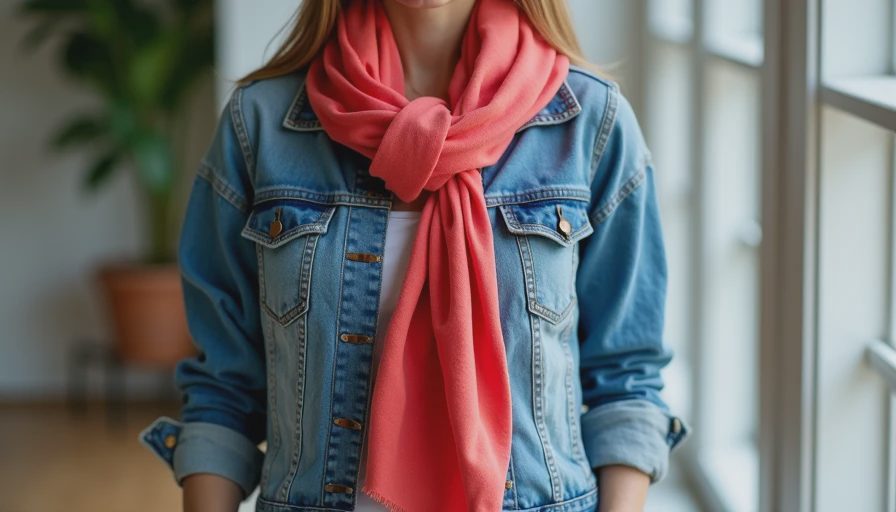
The best casual look for women over 50 often starts with one structured piece and one relaxed piece. Try a soft cotton button-up over a knit tank with straight-leg jeans, or pair a fluid blouse with a denim jacket and pull-on trousers. This creates ease without turning the whole outfit into a fabric tent.
The industry loves age-based dressing advice because it is easy to print: no short hems, no bright color, no denim, no sneakers. None of that tells you whether the shoulder seam lands correctly or whether the bust area has enough room. A polished outfit can include a vivid red cardigan, a graphic tee, or a pair of clean white sneakers. The question is whether the garment has enough shape and stability to support the outfit.
Look for shoulder seams that sit at the natural shoulder rather than sliding down the arm. Check that the sleeve does not pull across the upper arm when you reach for a coffee mug. A top can be relaxed without being oversized everywhere. That distinction is especially important in plus sizes, where some manufacturers simply enlarge a smaller pattern instead of adjusting the armhole depth, bust curve, and sleeve width independently.
Build an outfit around reliable fabrics
A practical casual look for women over 50 depends heavily on fabric behavior. Cotton jersey is comfortable, but very thin jersey can cling, twist, or lose its shape after a few washes. Look for a medium-weight knit with recovery, especially in T-shirts and long-sleeve tops. Ponte has more structure and works well for pull-on pants, casual blazers, and simple dresses, while linen blends bring airflow without quite as much wrinkling as pure linen.
For denim, pay attention to the percentage of stretch and the fabric weight. A pair with a small amount of elastane can move comfortably, but extremely stretchy denim may relax during the day and lose its support. Universal Standard is known for extended sizing and a broad size range, while Lane Bryant and Torrid often offer familiar plus-size proportions. Old Navy Plus can be useful for accessible basics, although individual styles deserve a careful measurement check because grading can differ from one product line to another.
I also like a woven rayon or cotton poplin shirt when the collar and button spacing are well engineered. If the buttons gape at the bust, that is not a personal failure. It is a spacing and grading problem. A hidden snap or a wider placket can solve it; pretending the shirt fits cannot.
Three easy formulas for real life
For errands, appointments, and school pickup, try a relaxed striped tee, dark-wash straight-leg jeans, and a lightweight chore jacket. The jacket should have enough room through the back and upper arm to close comfortably, not just look acceptable while your arms are at your sides. Add loafers, slip-on sneakers, or low-profile boots depending on the weather.
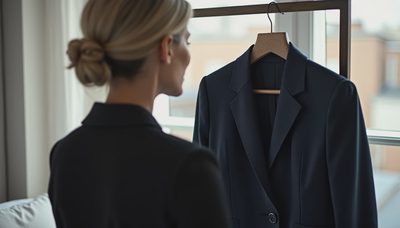
For a casual office, combine a knit shell, a machine-washable blazer, and ankle-length trousers. A blazer does not need sharp shoulder pads to provide structure. Look for a clean shoulder line, a back vent that lies flat, and sleeves that reach the wrist bone. Eloquii and Universal Standard have offered useful workwear options for plus-size customers, while department-store house brands can be worth checking when their garment measurements are clearly posted.
For dinner at a neighborhood restaurant, wear a midi knit dress with a denim jacket or cropped cardigan and a pair of colorful earrings. The casual look for women over 50 becomes more personal when one element carries a little visual energy. Choose a cobalt bag, red flats, a patterned scarf, or an oversized pendant. You do not need to neutralize yourself to look grown-up.

Fit checks that save you from bad returns
Before buying, measure a garment you already like rather than relying only on the number printed on a tag. Measure pit to pit, shoulder to shoulder, sleeve length, and the waist or hip area depending on the garment. Compare those numbers with the brand’s chart. A size 18 in one company can have a different bust circumference and shoulder-to-bust ratio than a size 18 elsewhere.
When trying something on, sit down, lift both arms, and walk several steps. A top that fits only while standing still is not doing its job. With pants, check whether the waistband rolls, whether the front pockets pull open, and whether the back rise gives you enough coverage. With a cardigan, cross your arms and see whether the seams strain across the upper back.
One of the most common plus-size fit failures is a shallow armhole paired with a wide body. It creates the strange experience of having plenty of fabric around the torso but not enough room to move. A deeper, properly shaped armhole usually feels better than simply sizing up. If the shoulder becomes too wide when you size up, the garment was not graded with enough care.
Make casual clothes look intentional
A casual look for women over 50 does not need a complicated accessory plan. Repetition creates polish. Wear the same sneaker style with jeans, trousers, and a knit dress. Choose one jacket shape that works across several tops. Keep a small group of belts, earrings, and scarves near the door so getting dressed does not become a morning negotiation.
Color can do useful work here. Pair olive with cream, navy with rust, charcoal with pink, or denim with turquoise. If you prefer black, add texture through a ribbed sweater, a brushed jacket, or a smooth leather shoe. The goal is not to make your body disappear; it is to make the outfit feel complete.
I have also learned to stop treating comfort and style as opposing departments. A wide-leg ponte pant can be comfortable and polished. A cotton shirt can be bright and easy. A supportive sneaker can belong in a thoughtful outfit. When a garment feels good because the pattern gives you room in the right places, you stand differently. That is construction, not magic.
Shop with a short, useful checklist
When evaluating a casual look for women over 50, ask whether the fabric suits the activity, whether the shoulder seam is correct, and whether you can move without tugging at the garment. Check the care instructions before falling in love with a piece that requires expensive dry cleaning. Read customer reviews for repeated comments about sleeves, rise, shrinking, and inconsistent sizing rather than focusing only on photographs.
Also give yourself permission to alter a good garment. A tailor can shorten sleeves, adjust a hem, or move a button for far less than replacing an entire wardrobe. The right alteration cannot fix a fundamentally wrong shoulder or armhole, but it can turn a nearly useful jacket into one you wear every week.
The most successful casual look for women over 50 is not dictated by a magazine, a trend report, or an arbitrary rule about what women “should” wear. It comes from clothes that respect your measurements and your life. Start with the shoulder, inspect the pattern, choose fabrics that behave, and add color because you want it there. Your body is not an inconvenience to solve. The pattern, when it fails, is.

No notes yet — write the first one.