Fashion over 50 is not a set of restrictions, a beige uniform, or a polite way to disappear into the background. It is the freedom to know what works for your life and stop spending money on clothes that were designed around someone else's body. I have spent nine years inside the plus-size fashion industry, and my first rule remains simple: the body's not the problem. The pattern is.
Start with fit, not the size tag
The size printed on a label tells you very little. A 2X from one brand can have less room through the bust than an XL from another, while two jeans in the same size can differ by several inches at the waist. This is not a personal failure. It is inconsistent pattern grading.
When I evaluate fashion over 50 for a client, I look at shoulder width, bust circumference, armhole depth, and the relationship between the upper back and waist. I do that before checking the label. A shoulder seam that sits too far outward can make a jacket pull across the chest. An armhole cut too high can turn a simple blouse into an all-day wrestling match. A waistband that stays level when you sit is more useful than a size number that happens to sound familiar.
Try garments in at least two nearby sizes when the store allows it. Compare where the seams land, whether buttons lie flat, and whether you can raise your arms without the whole garment climbing. Fit is information, not a judgment.
Build a wardrobe around real days
The best fashion over 50 wardrobe is not a fantasy closet filled with special-occasion pieces. It is a practical collection for meetings, errands, dinners, travel, weather changes, and the occasional event that appears on your calendar with ten days' notice.
Start with three dependable outfit formulas. One might be wide-leg trousers, a knit shell, and a structured cardigan. Another could be straight-leg jeans, a cotton shirt, and a cropped jacket. A third might be a knit dress with a long vest or an unlined blazer. The point is repeatability. If each item works with at least three others, getting dressed becomes easier without becoming boring.
Universal Standard is often useful for clean basics and a broad size range, while Eileen Fisher is known for simple silhouettes and fabric choices that suit a layered wardrobe. For denim, brands such as Good American and Torrid offer different approaches to stretch, rise, and proportion. Still, inspect each garment. Brand reputation cannot correct a sleeve that is too narrow or a rise that ends in the wrong place on your body.
Fashion over 50 should support your schedule, not create another unpaid job. If a blouse requires constant tucking, steaming, or adjusting, it is not a wardrobe essential. It is a maintenance project.
Use color with intention
Color does not have an age limit. The useful question is whether a shade makes sense with the rest of your closet and feels like you. A saturated cobalt sweater, tomato-red coat, or emerald skirt can be the most hardworking piece in a neutral wardrobe because it creates several outfit paths.
If bright color feels unfamiliar, introduce it through a blouse, shoe, handbag, or scarf rather than replacing your entire closet overnight. Navy, cream, olive, burgundy, denim, and chocolate brown create strong foundations without forcing you into black from head to toe. I especially like a color column: trousers and a top in related shades, interrupted by a jacket or shoe in a contrasting tone.
The industry often tells women over 50 to become quieter. That advice is usually marketing dressed up as etiquette. Color is not a performance for other people. It is a practical styling tool and a quick way to make familiar pieces feel fresh.
Choose fabric for movement and care
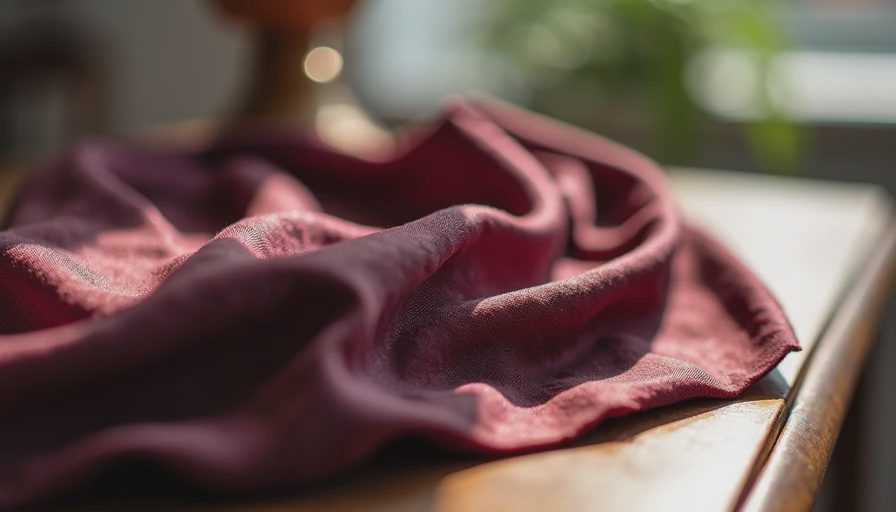
A beautiful garment that cannot survive your day is not a good purchase. Look for fabrics that recover after sitting, breathe when you move, and do not require a complicated cleaning routine. Cotton poplin gives structure to a shirt, ponte can make a jacket comfortable without becoming floppy, and a washable merino blend works well for temperature changes.
Read the care label before looking at the price. A $45 blouse that needs expensive dry cleaning after every wear can cost more than a $90 washable version over a season. Check transparency in lighter colors, stretch recovery at the waistband, and whether the fabric twists after you pull it gently in different directions.
For fashion over 50, comfort is not the same as surrendering structure. An unlined jacket can feel easier than a stiff blazer while still giving an outfit a clear shape. A knit pant can look polished when it has a stable waistband, a clean hem, and enough weight to fall smoothly. The distinction is construction, not age.
Shop brands with a skeptical eye
I used to sit in factory meetings where a pattern would be graded upward with almost no adjustment to the armhole or shoulder. On paper, the numbers increased. On a real body, the garment became tight in the upper arm, too low at the bust, and strangely wide at the neckline. That shortcut is one reason online reviews can sound contradictory: the garment works beautifully for one proportion and fails completely for another.
When shopping fashion over 50, read reviews for construction details rather than vague praise. Look for comments about sleeve width, pocket placement, torso length, zipper behavior, and shrinkage. Review photos are useful when several people show the same garment in different sizes and proportions.
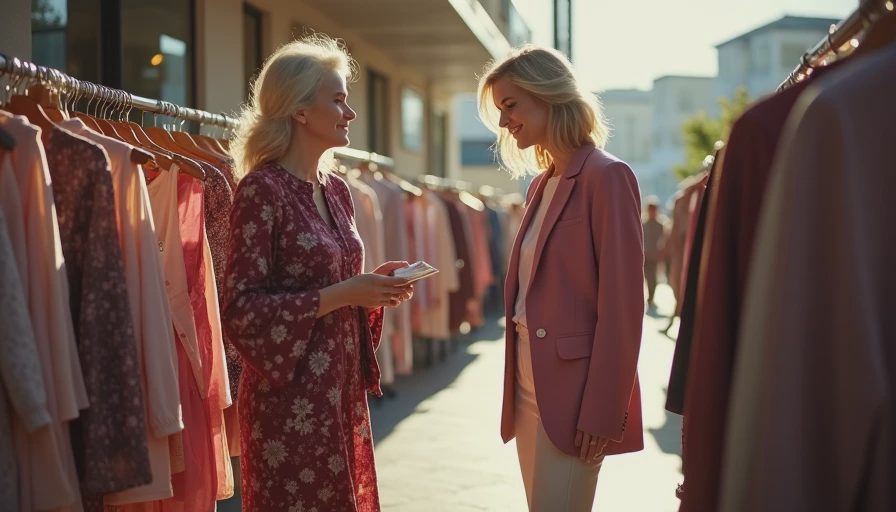
Brands such as Lane Bryant, Eloquii, and Old Navy Plus can be useful starting points, but no label gets a permanent pass. Check the actual garment, especially when a company changes suppliers or revises its sizing. A brand that offers clear garment measurements is giving you better information than one that simply announces a generous fit.
Keep a note in your phone with measurements from garments you already love. Record the shoulder width, bust, rise, inseam, and sleeve length. Those numbers let you compare a product page to something real instead of guessing from a model whose proportions may be entirely different from yours.
Make personal style practical and unmistakable
Personal style does not require constant novelty. It can be a uniform of excellent shirts, dramatic earrings, comfortable trousers, and one very good jacket. It can be denim with red lipstick, monochrome knits, or printed dresses worn with flat boots. The strongest fashion over 50 looks usually have a point of view, even when the individual pieces are simple.
Before buying, ask what the garment adds. Does it solve a dressing problem? Does it work with at least three pieces you already own? Can you sit, reach, walk, and carry your normal bag in it? If the answer is no, leave it on the rack. A discount does not turn an awkward garment into a useful one.
This is also the age to stop saving good clothes for an imaginary future occasion. Wear the interesting earrings to the grocery store. Wear the excellent jacket to a routine meeting. Your clothes are not a reward for becoming someone else; they are equipment for being fully present now.
Fashion over 50 gets much easier when you replace rules with evidence. Measure the garment, test the movement, inspect the fabric, and choose colors that make your closet work harder. Then get dressed in a way that sounds like you. The pattern may need fixing, but your body never needed an apology.



No notes yet — write the first one.