The Difference Between “Plus-Size” and Actually Made for Plus-Size
Hey friend, let’s play detective. You’re standing in the dressing room (or refreshing that checkout page) wondering why this brand’s clothes always disappoint while another random one fits like it was custom-made. The secret isn’t in the marketing copy. It’s in the pattern.
After nine years negotiating fit specs in factories, arguing over grading rules, and watching return data pile up, I can spot the difference in about thirty seconds now. Today I’m handing you the exact checklist I used when evaluating new vendors. No fluff. No “trust your gut.” Just observable, repeatable signals that separate brands treating your body as the starting point versus those treating it as an afterthought.
The body’s not the problem. The pattern is. Let’s learn how to read the pattern.
Why Most “Plus-Size” Grading Is Still Broken
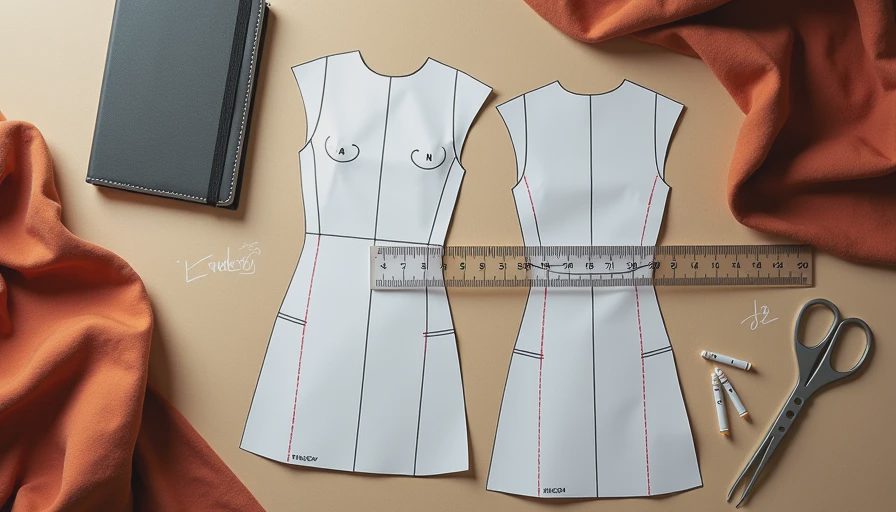
True pattern grading isn’t just hitting “scale up” in design software. It requires adjusting dozens of interrelated measurements as size increases: armhole depth and shape, shoulder slope, bust dart placement, across-back width, sleeve cap height — the list goes on. Many brands skip the expensive work and simply enlarge a base size 6 or 14 pattern proportionally. The result looks okay on a hanger and terrible on a real body past size 18.
I once rejected an entire factory sample line because their grading maintained the exact same armhole curve from size 14 to 30. The fit model in size 14 looked fine. The size 26 sample looked like it was trying to strangle her. We sent it back with pages of notes. The brands that accepted those patterns? Their return rates told the story later.
The Three Non-Negotiable Checks You Can Do Yourself
1. Shoulder-to-Bust Ratio Tells the Real Story
This is my first move in any fitting room or on any product page with detailed measurements.
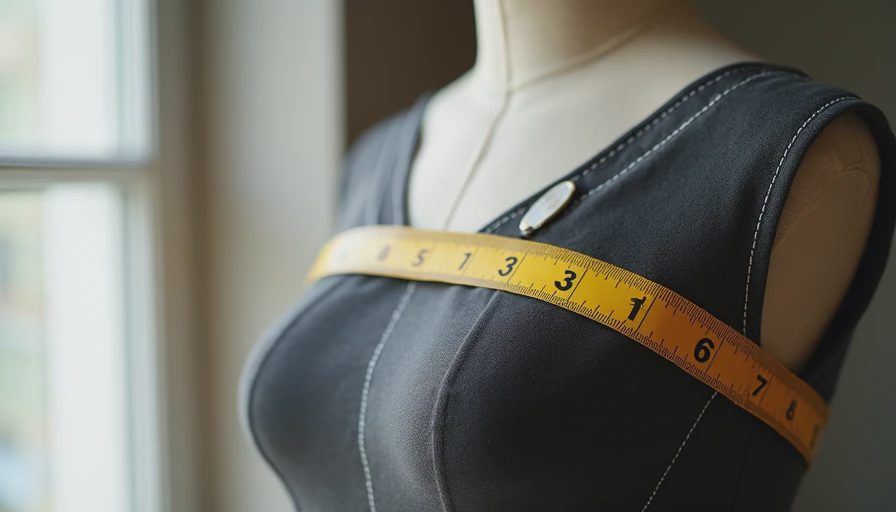
Measure (or look up) the shoulder width (back shoulder seam to seam) versus the full bust circumference. In well-graded patterns, the shoulder measurement grows appropriately as bust increases, but not at the exact same rate. Bodies don’t scale uniformly.
Red flag checklist:
Shoulder width stays almost identical across sizes while bust jumps 4+ inches per size → bad grading.
Shoulder seams fall off the edge of your actual shoulder onto your upper arm → the pattern was never adjusted for broader upper backs common in plus sizes.
Good brands show shoulder measurements increasing gradually and thoughtfully. I teach clients to prioritize shoulder fit first — everything else can be tailored more easily than fixing a fundamental shoulder placement disaster.
2. Armhole Depth and Shape Behavior
Raise your arms in the dressing room. Does the side seam pull up dramatically? Does the armhole cut into your armpit or gape like a surprised fish? That’s grading malpractice.
Properly graded plus-size patterns feature:
Deeper armholes in larger sizes (typically 0.75–1.5 inches deeper between size 18 and 28).
Adjusted curve shapes that account for fuller upper arms and broader backs.
Sleeve caps that match the new armhole geometry instead of just being enlarged.
When I consult with emerging plus-size designers now, I make them show me armhole templates across five sizes. The good ones have visibly different curves. The lazy ones? Same curve, different size label. Run.
3. Construction Details That Reveal Care (or Cost-Cutting)
Turn the garment inside out. Real grading investment shows up in the small things:
Darts and seam placement: Well-graded pieces have multiple darts or princess seams repositioned for larger sizes rather than just lengthened.
Ease distribution: Proper patterns add ease in the right places (across back, upper arm) rather than just making everything bigger.
Hem circumference growth: Skirts and pants that grow logically in hem sweep instead of staying narrow while the hips explode.
Lining and facing proportions: Linings that actually match the outer shell instead of pulling or bunching.
One of my favorite tells? Brands that offer “tall” or “petite” plus options often understand grading better because they’ve already done the hard work of adjusting proportions vertically. It usually means they care about horizontal grading too.
Real-World Examples I’ve Seen (Anonymized, Of Course)
During my Torrid years we evaluated hundreds of vendors. The brands that invested in proper CAD grading systems and multiple fit models had dramatically lower return rates — often 15-20 points better in larger sizes. One independent brand we picked up as a guest collection had return rates under 22% across the board. Their secret? They graded from a size 24 base pattern instead of scaling up from 12. Revolutionary, right? It shouldn’t be.
On the flip side, I’ve seen massive brands launch “inclusive” collections with beautiful marketing and terrible real-world performance because they used the same old grading rules with bigger numbers slapped on.
How to Use This Checklist When Shopping Online
You don’t need to be in a store. Here’s your digital detective kit:
Check the size chart for shoulder and across-back measurements.
Read reviews specifically filtering for your size range. Look for repeated comments about shoulders, armholes, or “runs large/small in the upper body.”
Search brand name + “grading” or “pattern” on Reddit or TikTok. Real customers notice.
Look at how many measurement points they provide. Brands proud of their patterns brag about them.
My styling clients in Baltimore now use this checklist religiously. One professor went from returning 70% of her online orders to under 10% after we spent one afternoon applying these tests together.
The Pattern Room Philosophy in Action
This entire category exists because understanding these technical details changes everything. Once you see the difference between thoughtful grading and lazy scaling, you can’t unsee it. You start demanding better. You support the brands doing the work. You stop blaming your body for clothes that were never designed for it.
I still catch myself in stores automatically reaching for the shoulder seam before looking at the size tag. Laura teases me about it constantly. But it’s become muscle memory because the pattern really does tell the story first.
Building Your Personal “Good Grader” Shortlist
Start keeping notes. Over time you’ll develop your own trusted list. Some brands I’ve seen doing strong work (and will review more thoroughly in future posts):
Those publishing extensive technical measurements
Smaller independents using larger base sizes
Companies with in-house design teams focused specifically on plus
The industry is slowly improving, but only because shoppers like you start noticing and voting with your dollars and your reviews.
Start Here: Your New Fitting Room Habit
Next time you try something on, run through the three checks:
Shoulders sitting where they belong?
Armholes behaving when you move?
Construction details showing respect for your proportions?
If the answers are yes, celebrate. You’ve found a brand that did the homework. If not, thank them for the education and move on. Your time and confidence are worth more than any sale price.
The pattern shapes the garment. The person wears it. When both are respected, magic happens.
Now you have the tools to spot the difference. Go forth and shop like someone who’s been behind the curtain — because you have.





No notes yet — write the first one.