When people shop for plus size wedding dresses, they are often handed a rack, a sizing chart, and a lot of cheerful nonsense about bridal magic. I spent nine years buying plus-size apparel, and the same failure kept showing up: a dress that looked fine on a size 14 sample would start breaking as soon as the pattern was graded up. The bust point wandered, the armhole got tight, and the zipper fought the back. The body's not the problem. The pattern is.
Why plus size wedding dresses fail so often
Most plus size wedding dresses are built from a straight-size block and expanded outward instead of being redrawn for a fuller bust, wider rib cage, or different shoulder-to-bust ratio. That is how you get a bodice that fits in the waist but collapses at the neckline, or sleeves that pinch because the armhole depth never changed.
A good bridal dress starts with structure that makes sense: a real bust dart, princess seams that follow the body, lining that holds shape, and enough room at the armhole to sit down and hug someone without wincing. If a brand only shows one model photo and no garment measurements, I assume they are hoping the image sells the dress faster than the fit chart exposes it.
What to check before you order plus size wedding dresses
Before you buy, measure the parts that actually decide whether the dress works. I care about shoulder width, full bust, underbust, waist, and hollow-to-hem, because those numbers tell you more than a generic size tag ever will. If a dress is strapless, pay attention to the upper rib cage and the back opening. If it has sleeves, look for bicep room and sleeve cap height.
Shopping online gets easier when you stop looking for your size and start comparing garment measurements. Azazie is useful here because made-to-order and custom measurement options reduce some of the guesswork. David’s Bridal is still one of the more practical in-person starting points because you can try several silhouettes without driving yourself half-crazy. For low-key ceremonies, courthouse dresses from Eloquii or a special-occasion style from Universal Standard can make sense when you want a cleaner line and less bridal lace.
Silhouette choices for plus size wedding dresses
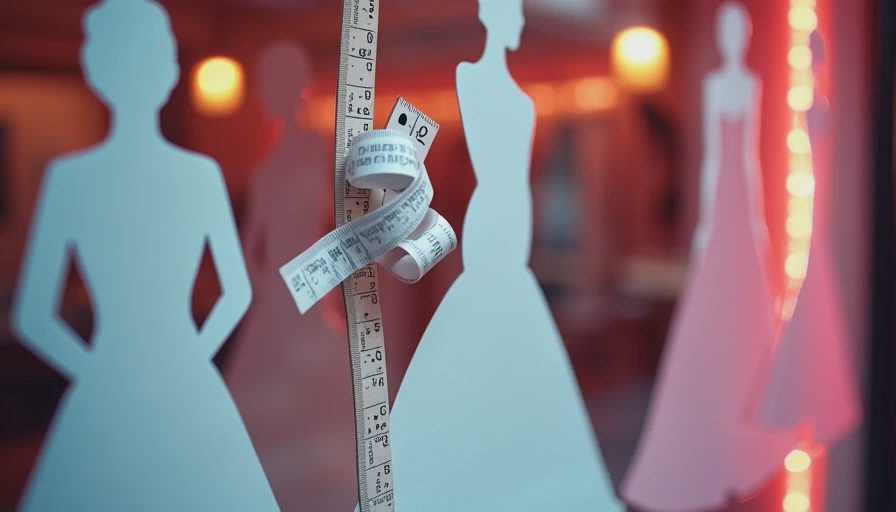
A-line and fit-and-flare are popular for a reason: they give the skirt movement while keeping the bodice honest. But the real question is whether the waist seam sits where your body wants it to sit. If it climbs too high, the skirt looks borrowed. If it drops too low, the dress starts sagging by cocktail hour.
Ballgowns can work beautifully when the bodice has enough internal support, because a fuller skirt takes pressure off the lower body and adds drama without forcing a tight hip fit. Sheaths are fussier. They need fabric with recovery, clean side seams, and often a tailor who knows how to shape the back without turning the dress into a sausage casing. If you want sleeves, do not settle for thin illusion mesh that feels added as an afterthought. Crepe, satin, and heavier lace behave differently, so the fabric matters as much as the silhouette.
Brands and shops I would start with
David’s Bridal is useful when you want to try several shapes in one afternoon, because the range is wide enough that you are not judging a strapless bodice from one speculative sample. Azazie is strong when you want custom measurements or a try-at-home path before committing. Kiyonna is worth a look for simpler courthouse or reception dresses, especially if you want soft fabric and less construction drama.
Eloquii is not a bridal house, but it understands plus-size proportions better than many brands that print the word curvy on a tag and call it strategy. I also pay attention to whether a brand mentions grading, custom sizing, or multiple fit options. Those signals do not guarantee perfection, but they tell you the company knows bodies change as sizes change. That is the part the industry likes to pretend is mysterious. It is not mysterious. It is drafting.
The fitting plan that saves the budget
The smartest way to shop is boring in the best possible way. Order the dress with enough time for a hem, a bust adjustment, or a strap fix. Bring the bra or shapewear you will actually wear, plus the shoes that set the hem length. Sit down in it. Raise your arms. Hug someone. Walk fast enough to feel the lining move. If the zipper pulls when you breathe, that is not bridal tension. That is a bad fit.
A simple hem often lands in the $30 to $100 range, while more involved bodice work can run much higher depending on fabric and construction. Bridal satin, beaded lace, and corseted backs all cost more to alter than plain crepe. So if the quote starts climbing, you want to know whether you are paying to refine a good dress or rescue a bad one. I would rather see a client spend $150 on targeted tailoring than $50 on a dress that never had the right shoulder width in the first place.
The bottom line on plus size wedding dresses
The best plus size wedding dresses give you room where real bodies need room, then shape the waist and skirt without fighting the shoulders, bust, or armholes. That usually means better pattern grading, not more lace, more sparkle, or more marketing copy. Start with measurements, compare garment specs, and shop brands that have earned some trust with construction. If a dress only looks good from one angle on one model, keep walking. If it fits through the bust, closes cleanly in the back, and lets you move like a person instead of a display form, you are in the right aisle.

No notes yet — write the first one.