When a client asks me about plus size formal dresses, I do not start with color, trend, or whatever a brand is calling “luxury” this season. I start with shoulder width, bust circumference, and where the armhole lands, because that is what decides whether you can sit, dance, and breathe through dinner. I spent nine years inside the buying machine, and the same pattern mistake showed up over and over: the dress looked fine on a hanger, then the top half fell apart once it met a real body. The body's not the problem. The pattern is.
What the pattern should do across the chest and shoulders
The fastest way to spot a solid dress is to look at the top section before you even think about the skirt. In plus size formal dresses, the shoulder seam should sit close to the edge of the shoulder without drifting down your arm, and the armhole should be high enough to hold the dress in place without digging into the underarm. If the bust point is too high, the whole neckline pulls. If it is too low, the fabric starts to pool in places no one asked for.
This is where bad grading shows up. Some brands scale up from a size 6 and call it a day, which is why a 14 can feel almost normal while a 22 has a weirdly tight bust and an extra-wide waist. A real plus pattern adjusts shoulder-to-bust ratio, torso length, and sleeve opening, not just the circumference. That is why some labels repeatedly get repurchased and others live forever in return bins.
If you are shopping online, look for wording that suggests actual construction: lined bodice, side zipper, boning, stretch woven, or darts that shape the front. If the product copy only talks about “elegance” and never mentions fit details, I assume the brand is asking the photos to do the heavy lifting.
Fabrics and construction that make the night easier
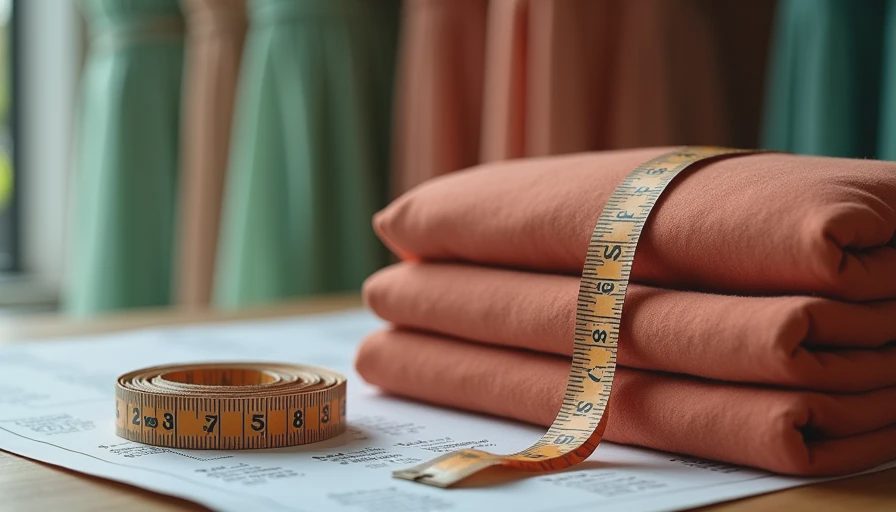
The best plus size formal dresses are built from fabrics that move without collapsing. Stretch crepe is a workhorse because it holds shape and still lets you sit down like a human being. Chiffon overlays can work well when the lining is substantial enough that the dress does not cling in weird static-y ways. Satin can look great under lights, but it shows every weak seam and every cheap zipper. If the fabric feels papery in the fitting room, it usually photographs even worse.
Construction matters just as much. I want a fully lined bodice, a zipper that does not snag on the first try, and seams that stay straight when you raise your arms. For evening events, boning can be useful when it is placed well, not as a punishment device. And if the dress has a wrap front, the overlap needs to be anchored so the neckline does not wander open every time you move.
This is also where a few brands earn their keep. Eloquii tends to understand sharper fashion shapes better than most mainstream labels. Adrianna Papell often does occasionwear with enough structure to feel worth the money. Kiyonna usually respects the body more than brands that only dabble in extended sizes once a year. I do not treat any brand as sacred, but those are names I would check before I waste an afternoon on a flimsy department-store option.
The fitting room test I use before anyone buys
I shop plus size formal dresses the same way I used to review samples at the buying desk: I test the dress in motion, not just standing still. That means sitting, lifting both arms, turning sideways, and taking a few steps. If the bust shifts, the hem twists, or the zipper ripples, those are not tiny issues. Those are clues that the pattern is fighting the body.
I also tell clients to try on with the bra they plan to wear and the shoes that set the hem length. Formal dressing gets expensive when a dress is cut two inches too long and then has to be hemmed over beading or lace. If the dress needs a strapless bra, check the edge of the bodice before you leave the mirror. If it needs shapewear, make sure the dress still feels good when you actually exhale.
One thing I learned from years in the fitting rooms: a dress that looks perfect while standing perfectly still is not automatically a good dress. Real life includes buffet lines, chairs, stairs, and photos taken at bad angles. When I see plus size formal dresses that only work in a frozen pose, I move on.
When alterations are the smart move
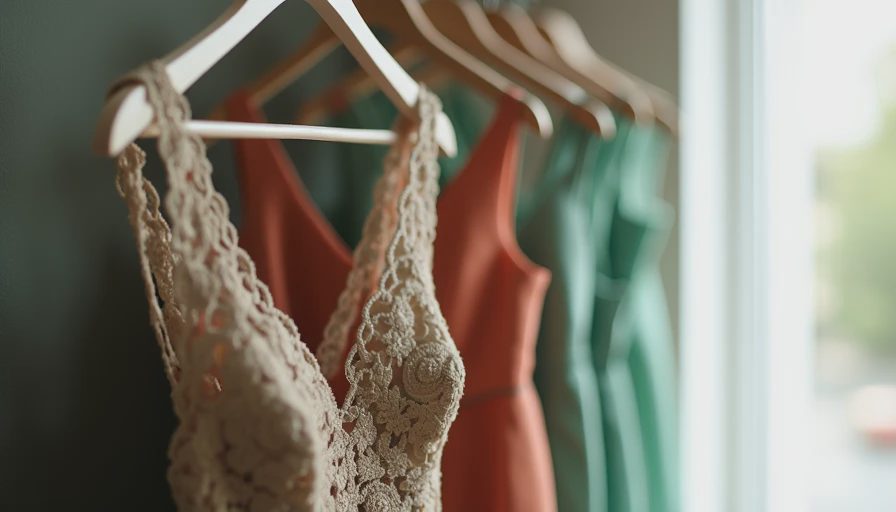
Most plus size formal dresses need one or two small alterations, and that is normal. Hemming usually runs about $25 to $60, depending on fabric and beadwork. Taking in a side seam or tightening straps can run another $15 to $75. If the dress fits the bust and shoulders but drags at the floor, alterations are often cheaper than starting over with a new order and crossing your fingers on shipping.
The smart move is to buy for the hardest part first. If the shoulders and bust are wrong, skip it. If the top fits and the skirt is only too long, that is a workable dress. I would rather see a client spend a little on tailoring than chase a mythical perfect hanger fit from a brand that cannot grade a pattern to save its life.
This is where the insider math matters. A $180 dress that needs a $35 hem can be a better buy than a $140 dress that fits badly everywhere and still needs work. Once you start looking at occasionwear that way, the nonsense gets easier to ignore.
Where I would start shopping
If you want a clean starting point, look for stores that keep their occasionwear in extended sizes year after year, not just during wedding season. Eloquii, Kiyonna, Adrianna Papell, Mac Duggal, and Universal Standard are worth checking when the event calls for polish. I would also keep an eye on return policies, because formalwear is one category where the try-on at home matters more than the product photos.
For a cocktail event, I usually steer people toward knee-length or midi styles in stretch crepe or a structured knit with lining. For black-tie weddings, floor-length gowns with a defined waist and enough room in the bust tend to behave better through a long night. If the brand gives you garment measurements, use them. If not, compare your shoulder width and bust to the size chart and assume the tag is only a starting point.
That is the part I wish more shoppers heard sooner: a dress should be built for your body, not negotiated against it. The body’s not the problem. The pattern is.



No notes yet — write the first one.