When I shop plus size dresses, I start with the same question I used to ask on the buying desk: was this pattern built for a plus body, or just stretched bigger and hoped for the best? That is the whole game. The body's not the problem. The pattern is. If the shoulder-to-bust ratio is off, the armhole is shallow, or the waistline was copied from a size 6 and scaled up like a copy machine job, the dress will fight you before you ever leave the fitting room. Good plus size dresses are not magic. They are evidence that someone paid attention to grading, fabric recovery, and where a real torso bends.
Start with the shoulder, not the size tag
The first thing I check is the shoulder seam. If it lands too far in or too far out, everything else gets weird: sleeves twist, darts miss the bust, and the neckline starts wandering. In the fit room, I would rather see a dress with a slightly generous waist and correct shoulders than the reverse. A clean shoulder line tells me the pattern maker understood proportion.
This is where a lot of brands save money and create returns. They grade the width and hip faster than the upper body, then act surprised when the bodice pulls. For work dresses, I like ponte, heavier knit, and woven styles with real shaping at the bust. For a client who needs to move all day, a $90 to $160 dress from Eloquii or Universal Standard usually makes more sense than a cheaper dress that needs constant tugging.
Fabric matters more than hype photos
The nicest-looking rack can still deliver a dress that collapses by lunch if the fabric has no memory. For plus size dresses, I want some stretch, but not so much that the shape goes limp after one wear. Rayon jersey feels easy at first and can drape beautifully, but low-quality versions bag out at the elbows and across the seat. Polyester blends are not evil; a good one can hold a neckline, resist wrinkling, and keep a sheath dress from turning into a fabric puddle.
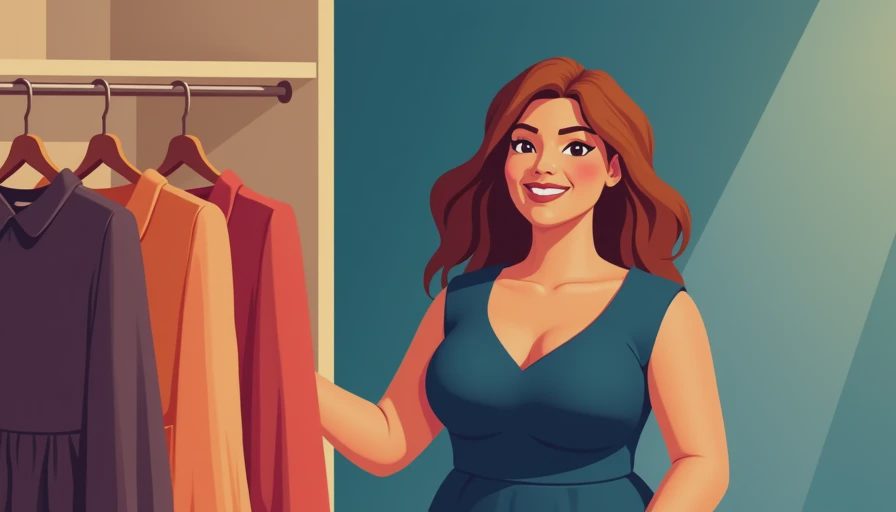
If you want an easy shopping filter, look for weight and recovery. A dress should spring back after you scrunch the hem in your hand. It should also have enough density that the underlayer does not show through when you sit. That is why I send clients toward better ponte, scuba, crepe, and stable jersey before I send them toward thin knits that photograph well and live badly.
The details that separate a decent dress from a great one
Armhole depth is the quiet villain. Too high, and the dress cuts into the underarm. Too low, and the whole bodice shifts when you lift your arms. I learned very quickly that a dress can look fine on a hanger and still be a mess in motion. In plus size dresses, you want enough room to breathe, reach for your coffee, and get into a car without rearranging the top half.
Sleeves matter too. A short sleeve with a little structure can make a dress feel finished, while a narrow cap sleeve often fails the minute the arm moves. If you live in sleeveless styles, pay attention to how the armhole is finished. A well-finished binding or facing tells you the brand spent time on construction instead of just sending the sample through a photo shoot.
Buy for your actual week, not an imaginary one
I always ask clients where the dress will work hardest. Office days, weddings, dinner out, conferences, a Sunday brunch that turns into three errands, all of that changes the right choice. Plus size dresses that earn closet space are usually the ones that can cross categories. A knit midi with a wrap effect can do work with a blazer, then do dinner with earrings and boots. A fit-and-flare in a fabric with real structure can handle a rehearsal dinner without needing a shapewear sermon attached to it.
For clients who shop at Lane Bryant, Torrid, or Old Navy Plus, I tell them to look past the styling photos and read the fabrication and customer notes. Brands vary a lot by dress family. One silhouette can be excellent while another in the same store is barely worth trying on. That is not you being difficult. That is pattern grading and sourcing doing what they do.
Brands and price points worth a second look
If you want a practical starting point, here is how I think about the market after years of seeing returns come back to the desk. Universal Standard usually gets the upper body proportion right more often than not, which is why their dresses tend to feel expensive in the way good tailoring feels expensive. Eloquii often does a strong job with occasion dresses and workwear shapes that need a cleaner line through the torso. Torrid can be solid when the fabric has enough body, especially in more casual and date-night styles, though fit can swing by garment. Lane Bryant is still worth a look for polished work dresses and some knit styles, especially when the construction is straightforward.
At the lower end, Old Navy Plus can be surprisingly useful for easy cotton and jersey dresses if you know their cuts and stay realistic about fabric weight. The point is not brand loyalty. It is matching the garment to the job. A $48 dress that works twice a week beats a $180 dress that looks great for one photo and then slides around your body like it is trying to escape.
What to check before you buy
If you are shopping plus size dresses online, zoom in on the side seams, neckline finish, and sleeve attachment. Read reviews for words like pulling, gaping, twisting, and bagging. Those are usually fit clues, not customer drama. I also want to know whether the brand uses the same fabric across sizes or if the plus run gets switched to a thinner version, which happens more than shoppers realize. That is one reason two dresses from the same site can behave very differently in the dressing room.
For plus size dresses, the smartest move is to buy the shape that matches your measurements first and the trend second. Shoulder, bust, waist, hip, fabric, and recovery. That order saves money and time. If a brand gives you one silhouette that works, try the same body shape again before you wander off to something random. Good fit is repeatable. Bad fit is usually a pattern problem pretending to be a style choice.
When you stop treating the size tag like the main event, shopping gets calmer. You start seeing which brands grade well, which fabrics have life, and which dresses were built to be worn by a real person with a real day ahead of her. That is the whole point. The body's not the problem. The pattern is.





No notes yet — write the first one.