If you've ever looked at a size chart and wondered what your plus size measurements actually mean, you're not alone. I spent nine years as a buyer at Torrid, and I can tell you the dirty little secret of the industry: the size chart is often the weakest link in the whole process. The number on the tag is not a measurement. It's a brand's opinion of you. And that opinion changes depending on which factory sewed the garment, which fit model wore the sample, and how aggressive the pattern grader was that day. The body's not the problem. The pattern is.
Why the Size Tag Lies
Here's what most people don't know: there is no universal standard for plus size measurements. A size 18 at one store can be a 16 or a 20 at another. Some brands grade their patterns carefully, adding a proportional amount of room at the bust, waist, and hips as the size goes up. Others just scale everything by a percentage, which is why you end up with sleeves that are too tight in the shoulders and a waistline that's cut for someone with completely different proportions. I've sat in meetings where the conversation was about how much ease to add at the hip, and I've watched the factory negotiator push back because fabric costs money. The result is a system that makes no sense from the outside.
The worst part? Many brands use a fit model who doesn't represent the customer. She's often a size 8 or 10, even in plus-size lines. The garment is designed on her, then graded up mathematically. But a body doesn't scale up evenly. A 22 is not a bigger 16. The shoulder-to-bust ratio changes. The armhole needs more curve. The torso gets longer. When brands skip that work, the clothes don't fit, and they blame your body instead of their grading.

How to Take Your Plus Size Measurements at Home
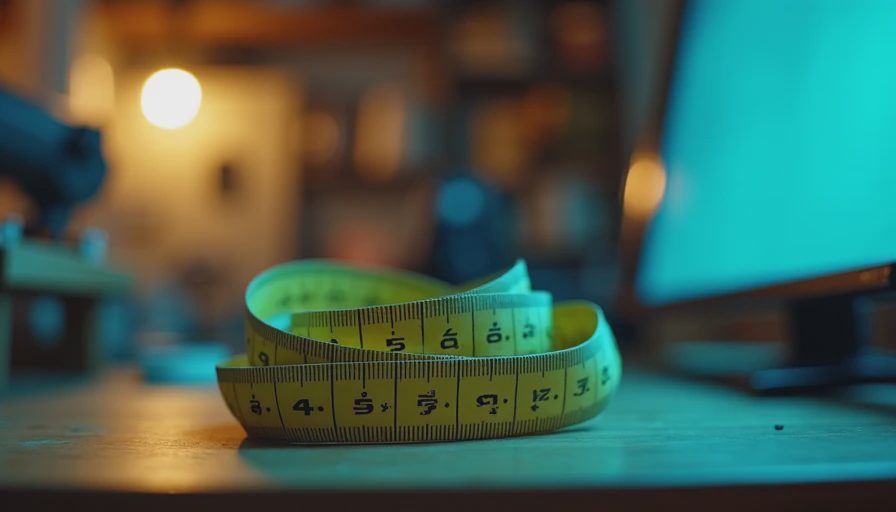
You don't need a tailor. You need a flexible tape measure, a mirror, and maybe a friend if you want accuracy. Wear thin clothing or underwear — the kind of fabric you'd wear under the garment you're shopping for. Stand naturally, feet shoulder-width apart, and don't suck in. This is not about achieving a number; it's about understanding the body you have.
Here are the six measurements that tell you the most. Write them down, because you'll need them every time you shop.
Your bust: measure around the fullest part of your chest, keeping the tape level across your back. Don't pull it tight; a snug but comfortable fit is right.
Your waist: this is the narrowest part of your torso, usually just above your belly button. If you can't find a narrow point — and many bodies don't have one — measure around the point where your body bends when you lean to the side. That's your natural waist.
Your hips: measure around the fullest part of your hips and rear, usually about seven to nine inches below your waist. Stand with your feet together so you're not adding inches from a wide stance.
Your high hip: this one gets skipped all the time, and it matters for pants and skirts that sit at your low waist. Measure around the top of your hip bones, about three to four inches below your waist.
Your inseam: measure from the top of your inner thigh down to the floor, with no shoes. This is tricky alone; a mirror helps.
Your shoulder width: measure across your back, from the edge of one shoulder to the other. This one is never on size charts, but it's the thing that separates a good fit from a bad one in tops and jackets.
Once you have all six numbers, store them in your phone notes. Re-measure when you buy new clothes, because bodies change. And always compare your plus size measurements to the brand's own size chart, not your usual size. That's the step that will save you from the return pile.
The Measurements That Matter Most
Once you have your plus size measurements written down, you can start paying attention to the measurements that actually make or break a garment. The most important one for plus size fit is the shoulder-to-bust ratio. If the shoulders are too narrow, the whole top pulls across the chest. If they're too wide, the neckline gaps. A good pattern cuts the shoulder wide enough for the bust without making the armhole a cave. That combination takes skill, and it's the reason a basic t-shirt can fit like a dream from one brand and like a tent from another.
Next is armhole depth. This is the curve around your underarm. A larger bust and fuller upper arms need a deeper armhole. Brands that skimp on this create tops that ride up, sleeves that dig in, and jackets that make you feel like you're in a straitjacket. When you read reviews, look for the word armhole. It's the first sign of a customer who's been burned.
Then there's torso length. If you have a long torso, you need shirts and dresses that come down far enough to stay put. I've seen beautiful blouses that ended exactly at the hip bone, which means they pop out every time you raise your arms. The good brands list this as body length on the size chart. If they don't, look for the shoulder-to-hem measurement before you buy.
What to Do With Your Measurements When You Shop
Now comes the part that makes a real difference. Before you add anything to your cart, pull up the brand's size chart and match your plus size measurements to the closest size. Don't match the tag you wore last time — brands change their grading, collections change, fabrics change. A rayon twill blouse might fit at your bust measurement but need a size up if the fabric has no stretch.
And don't be afraid to order two sizes if you're between charts. Many plus-size retailers offer free returns. Order both, try them on at home, and keep the one that fits. That's not an inconvenience; it's the only way to shop when the industry can't get its act together.
Your plus size measurements are the one tool that makes you smarter than the size chart. They don't lie, and they don't have an agenda. They're just the truth about your body, and they can guide you to the brands that actually grade for it. The body's not the problem. The pattern is — but now you can measure the pattern against the body it's supposed to fit.





No notes yet — write the first one.