The easiest way to buy plus size wedding guest dresses is to stop treating the rack like a mystery and start treating it like a fit exercise. If you know the dress code, the venue, and what your body actually needs from a pattern, you can skip half the returns. I spent nine years buying in this category, and the same failure shows up every season: brands scale up a pretty sample instead of rebuilding the garment for a larger shoulder, fuller bust, or stronger armhole curve. The body's not the problem. The pattern is. Once you know that, plus size wedding guest dresses get a lot less annoying and a lot more predictable.
Start with the dress code before you shop plus size wedding guest dresses
If the invite says cocktail, assume knee length or midi, a real sleeve or a clean strap, and fabric that reads polished under indoor lighting. Black tie means you can go longer, richer, and a little more dramatic. Garden weddings need movement and shoes you can actually walk in; a floor-sweeping hem in slippery satin is asking for trouble on grass. If the couple did not specify, look at the venue photos and the season. A Baltimore waterfront ceremony in June wants a different dress than a December church wedding or a barn reception in Virginia.
The part most shoppers skip is proportion. A dress can match the dress code and still fight your body if the neckline is too close, the waist seam sits high, or the skirt starts too narrow at the hips. That is why I look at plus size wedding guest dresses the same way I look at outerwear: shoulders first, then bust, then the rest. A dress that fits across the upper body is easier to tailor than one that never closes cleanly in the torso.
Fit points that tell you whether the pattern was graded honestly
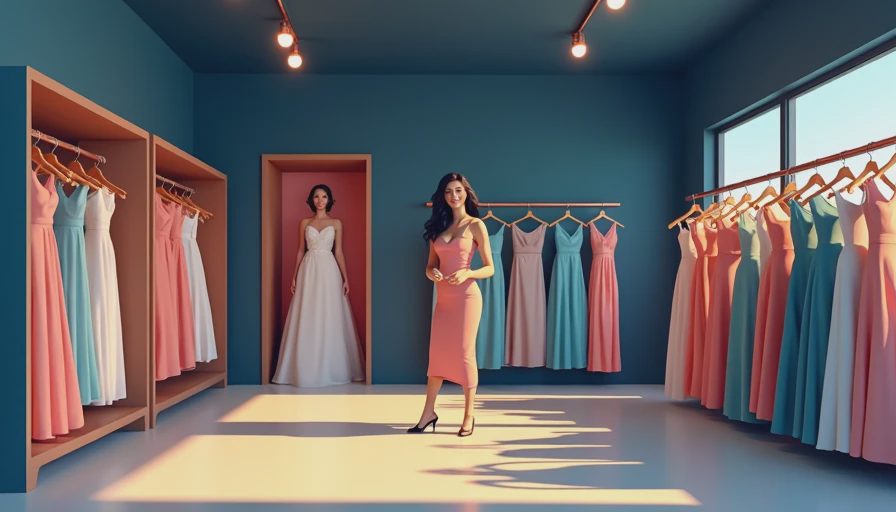
When I fit plus size wedding guest dresses, I check the shoulder seam before the size tag. If the shoulder drops halfway down the arm or pulls tight at the top of the sleeve, the pattern was probably widened instead of properly graded. Armhole depth is the other tell. Too shallow, and you get drag lines and pinch points the minute you sit down. Too deep, and the whole dress shifts around by dessert.
Bust placement matters more than people think. On a well-made dress, the bust point, waist seam, and dart shape line up without forcing the fabric to curve in odd ways. If the waist seam sits above your natural waist just to make the garment look more hourglass on a size 8 sample, it will ride up and twist in larger sizes. Side zippers, back zippers, and wrap ties can all work; what matters is whether they close smoothly without a tug-of-war. If you have to brace yourself to zip it, the pattern is wrong, not your body.
Fabric and length that survive a ceremony, dinner, and dancing
For weddings, fabric is half the battle. Crepe gives structure without feeling stiff. Chiffon moves well and looks easy, but it needs enough lining so the dress does not cling or go sheer in direct light. Stretch lace can be excellent when the base layer is built well and the lace is not scratchy. Satin looks expensive on the hanger and unforgiving in every bad seam line, so only buy it if the cut is clean and the lining is decent. Heavy jersey can feel comfortable, but it also reads casual fast if the silhouette is too simple.
Length is practical, not moral. Midi works for most weddings because it gives you room to sit, stand, and dance without babysitting the hem. If you are choosing a longer dress, check the finish on the inside. Loose threads, cheap hems, and thin linings show up fast under event lighting. That is especially true for plus size wedding guest dresses in brighter colors, where construction has nowhere to hide.
Brands I trust most for plus size wedding guest dresses
Eloquii is still one of the first places I send people when they want a sharper modern silhouette, because the brand usually understands waist placement and shoulder balance better than mass-market retailers do. Universal Standard is worth a look when you need a broader size range and a cleaner, less fussy line. Adrianna Papell makes a lot of event dresses that can handle a reception without feeling costume-y, and Kiyonna often cuts with curve shape in mind instead of just scaling a smaller dress. City Chic can be great for a bolder shape, while Tadashi Shoji and Mac Duggal are solid places to browse if the wedding calls for something dressier.
The catch, because there is always a catch, is that you cannot shop a brand by reputation alone. One style can be beautifully graded and the next one can be a mess in the armhole. Read reviews for fit notes, not just star ratings. If a dozen shoppers mention a tight bust or a waist that sits too high, believe them. That kind of pattern issue tends to repeat across sizes.
How I would shop them online without wasting a weekend
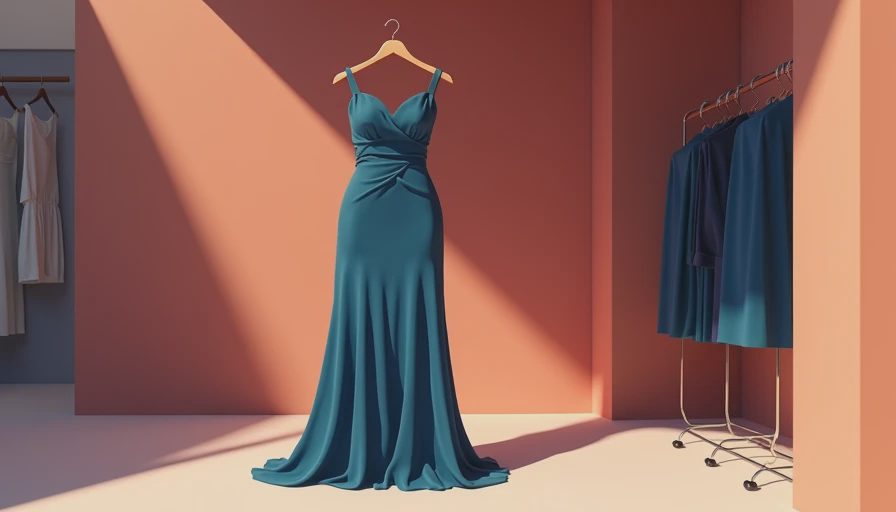
Measure your shoulder width, bust, waist, and hip before you start. For plus size wedding guest dresses, shoulder-to-bust ratio tells you more than the size chart. If your bust is fuller, favor silhouettes with darts, wrap fronts, or side ruching that is actually built into the pattern, not just gathered fabric thrown over the middle. Order two sizes if the brand is new to you, then compare where the garment sits on your body rather than whether the number feels nice. A good dress should let you lift your arms, sit through dinner, and breathe through the toast. That sounds basic because it is basic, and too many brands still miss it.
Plan for a tailor if the dress is close. Hemming usually runs about $20 to $60 in many cities, while strap or bust tweaks can cost more. That is still cheaper than keeping a dress that only works standing up.
A quick rule for the next wedding on your calendar
If a dress looks fine online but feels wrong in the shoulders, walk away. If the fabric is beautiful but the zipper fights you, walk away. If the dress code says formal and the garment looks like it was built from a smaller sample with extra fabric added at the sides, walk away. The best plus size wedding guest dresses do not ask you to negotiate with them at every mirror. They start from a pattern that was made for your body in the first place. That is the whole game, and it is why I keep saying the same line: The body's not the problem. The pattern is.





No notes yet — write the first one.