plus size prom dresses are one of those shopping categories that can make a smart person feel completely gaslit. A dress will look gorgeous on a hanger, then the bust is too shallow, the shoulder straps sit in the wrong place, and the waist seam lands somewhere near your ribs because someone scaled up a straight-size pattern and called it a day. I spent nine years buying in this industry, and I can tell you the failure is usually not the dress on your body. The body's not the problem. The pattern is.
Why plus size prom dresses break down in the bust and shoulders
The first place I look is the shoulder-to-bust ratio, because that is where a lot of special-occasion dresses go sideways. A lot of brands grade the width and forget the architecture. That means the bust point creeps too high, the armhole gets stingy, and the neckline starts fighting your bra straps. If the shoulders are narrow, the whole dress feels wrong before you even zip it.
For prom, that matters more than almost any other event. You are standing, dancing, sitting, climbing stairs, posing for photos, and maybe holding a bouquet or a clutch for hours. A bodice that only looks good when you are standing still is not doing its job. Look for a dress with enough room through the upper bust, a strap placement that matches your actual frame, and a waist seam that sits where your body bends instead of where the factory guessed.
If you try on a dress and keep tugging at the neckline, that is a fit problem, not a body problem. I have seen the same dress work beautifully in one size and turn chaotic in the next because the grading got lazy between sizes. That is the industry's favorite shortcut, and it is why shoppers end up doing the brand's job for it.
Fabrics, lining, and closures that survive a long night
For a one-night event, construction matters just as much as color. Stretch satin can be beautiful, but only if it has enough recovery to hold shape after dinner, dancing, and sitting in a car. Chiffon looks light and pretty, but it needs a stable lining or it will cling and wrinkle in the wrong places by the time photos start. Sequin mesh can work, but cheap sequins scratch and shed like nobody's business, so check the inside finish before you fall for the sparkle.
Closures tell you a lot. A center-back zipper with a hook-and-eye at the top is fine. A weak invisible zipper on a heavy gown is a red flag. If the dress has boning, it should feel like structure, not a medieval contraption. If it is strapless, the interior needs grip, shape, and enough bust support that you are not holding the dress up with your posture.
This is where I tell clients to touch the inside of the garment, not just the surface. Cheap satin can look expensive from six feet away and still fight you the whole night. Better labels usually spend money on lining, better seams, and actual bust shaping. That is where your comfort lives.
Silhouettes that move with you instead of against you
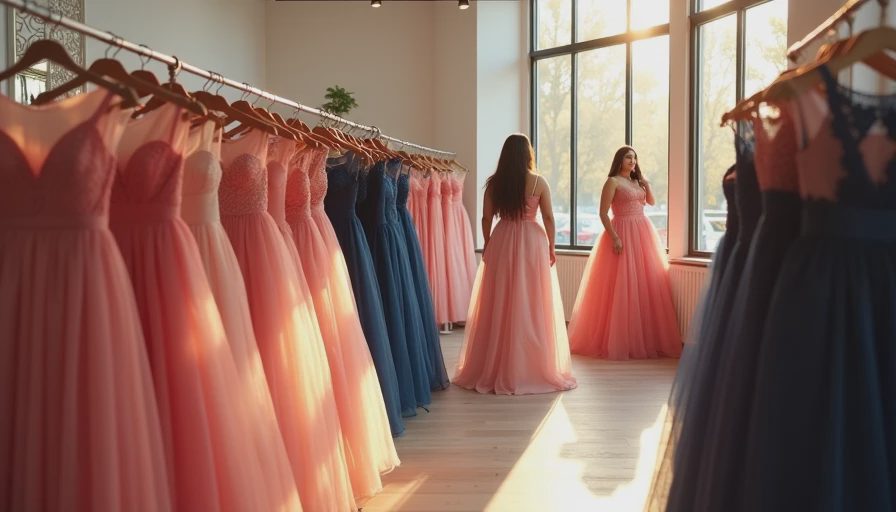
The right silhouette is the one that gives you room to exist. A-line styles are easy to wear because they do not ask the waist to do all the work. Fit-and-flare shapes can be great when the bodice has enough room through the bust and the skirt has enough sweep to sit and dance comfortably. Column gowns can be elegant, but they need excellent grading or they will pull at the hips and ride up when you walk. Corset-inspired dresses can be lovely too, as long as the structure is real and the front length is not chopped short.
When I fit plus size prom dresses, I usually tell people to think about movement first and photo second. If you cannot raise your arms, sit down, or breathe without adjusting the dress, it is too precious to be useful. A good dress lets you move naturally and still gives you a clean line in pictures. That is what strong pattern work looks like.
You do not need to chase the trendiest cut just because it is in every feed. You need the silhouette that matches your shoulders, your bust, and the way you actually stand. A dress that understands your frame will always look more expensive than one that fights it.
Where I would start shopping before prom season gets chaotic
If you want a realistic starting point, look at Eloquii, Torrid, Adrianna Papell, City Chic, ASOS Curve, and the special-occasion racks at Nordstrom or Macy's. I am not saying every piece in those stores is good. I am saying those are places where you are more likely to find extended sizing with actual occasion options instead of a lonely black dress and a prayer.
Price matters, but so does what the price buys. Around $120 to $250 gets you into the territory of decent retail occasionwear. Around $250 to $500 is where you start seeing better fabric, more intentional lining, and structure that does not collapse the second the zipper closes. If the dress is under $100, inspect the seams, the hem, and the lining very closely.
If you are shopping online, read the reviews like a detective. Look for comments about bust depth, armhole fit, zipper quality, and whether the skirt was heavy enough to hang properly. Photos from actual customers are more useful than the brand's styling shots, because you can see how the dress behaves on a real frame.
Alterations are not an afterthought here
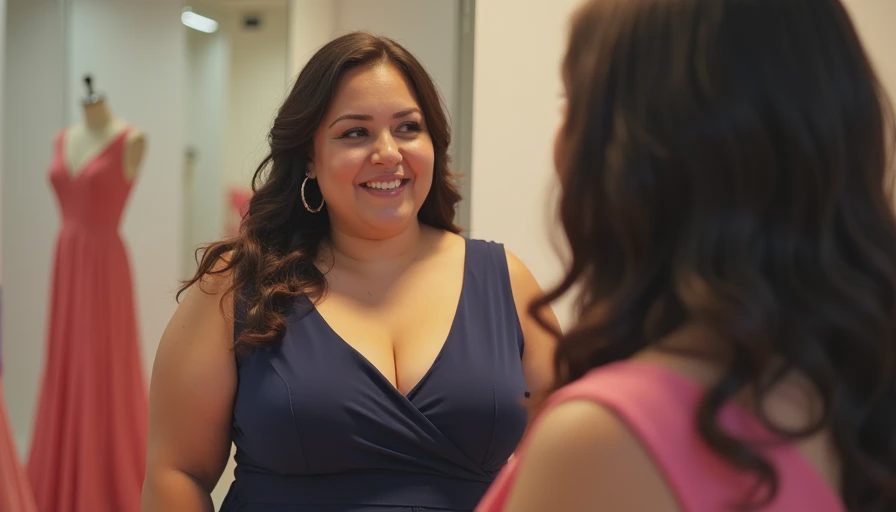
A good tailor can rescue a nearly-right dress, but only if the base fit is close enough. Hemming a prom gown usually runs somewhere in the $20 to $60 range, while strap adjustments, bust tweaks, or taking in side seams can push that higher. If the bodice is two full inches off at the bust or the shoulders are clearly wrong, alterations will not fix the pattern. They can improve it, but they cannot rebuild the dress from scratch.
Bring the shoes you plan to wear, or at least the heel height, because skirt length changes everything. If the dress has beads or sequins at the hem, ask whether the tailor charges extra for handwork. That is normal. The cheapest alteration is not always the smartest one when the dress is carrying a lot of weight or decoration.
The best time to start is earlier than you think, especially during spring when every formalwear shop is busy. Give yourself time for shipping, a second try-on, and a correction if the first size misses the mark. That extra week can save you from panic buying.
A last fitting-room check before you buy
Before you commit, raise your arms, sit down, walk fast, and twist your torso. Check whether the neckline stays put, whether the zipper buckles, and whether the waist seam sits where your body naturally bends. If the dress shifts every time you breathe, keep looking. If it feels stable but not rigid, you are close.
That is the whole game with plus size prom dresses: stop expecting the dress to forgive bad pattern work and start expecting the brand to do its job. If you shop plus size prom dresses with your measurements, your movement, and your actual body shape in mind, you will make a much better choice than the average fitting-room algorithm ever could. The body's not the problem. The pattern is.



No notes yet — write the first one.