I spent nine years buying dresses for a major plus-size retailer, and the same story kept repeating: people blamed their bodies when the pattern was the problem. Plus size summer dresses should not require a pep talk, a prayer, and three return labels. They should slip over the shoulders, give the bust room, and keep moving when the day gets hot. The trick is learning how the dress is cut before you fall for the color or the print.
What I look at before I even care about the size tag
The first thing I check is shoulder width. If that point is wrong, everything else starts arguing with your body. A dress can have a pretty neckline and still fail because the shoulder is too narrow, the armhole is too high, or the bust point sits in the wrong place. That is pattern grading, and it is where a lot of brands get lazy. They take one smaller sample and scale it up without rethinking the proportions.
For plus size summer dresses, I want seams that make sense when the fabric moves. I want waist definition only if it is placed where the body actually bends. I want armholes deep enough to avoid rubbing but not so deep that your bra is on display. If a brand only shows one size on a model, I assume the fit story is incomplete until proven otherwise. The best dresses are not the ones that promise transformation. They are the ones that act like they were drafted by someone who understands a real torso.
Fabrics that survive heat, humidity, and a long workday
Fabric matters more in summer than people admit. Rayon challis can drape beautifully, but if it is too thin, you will spend the day adjusting it. Linen blends breathe well, though pure linen wrinkles fast enough to make some people miserable by lunch. Cotton poplin holds shape and works for shirt dresses, while jersey can be easy if it is not clingy and does not stretch out by the third wear. I am wary of anything with too much polyester when the goal is actual comfort, not just a nice photo.
For plus size summer dresses, I look for fabric with enough body to skim instead of collapse. That usually means a weave or knit with some recovery. If the dress feels good in the fitting room but the seams twist when you sit down, that is your answer. The hanger test matters, but the sit-down test matters more. Sit, reach, cross your legs, and see whether the neckline shifts or the bust pulls. If the garment is already fighting you in the fitting room, summer heat will finish the job.
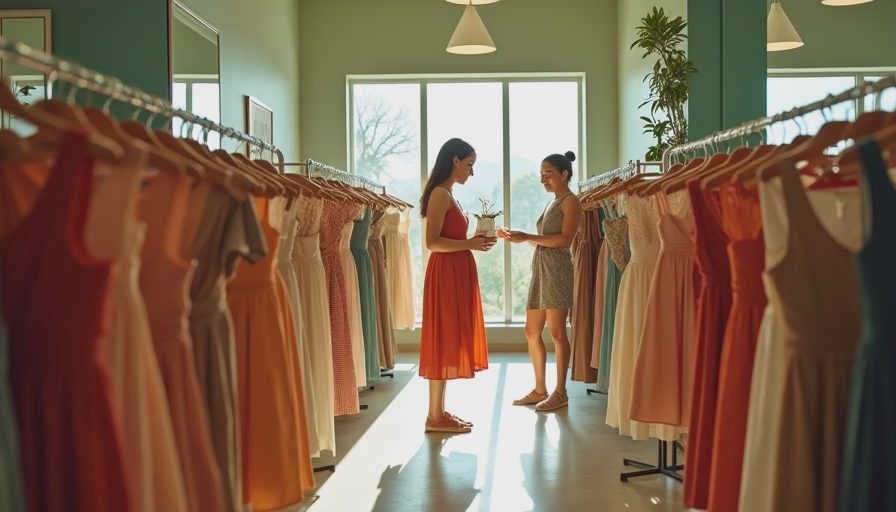
Why plus size summer dresses fail at the shoulder and armhole
This is the part most shoppers can feel before they can name it. A lot of plus-size dresses are built off a sample that was never truly rebalanced for a fuller bust and upper arm. So the shoulder seam creeps inward, the armhole gets trapped higher than it should, and the sleeve opening starts cutting into the bicep. That is not your body being difficult. That is bad grading.
When I was buying, I saw the same shortcut over and over: the size got bigger, but the neckline shape stayed nearly identical. In a 14, that might be fine. In a 22 or 24, it can turn into pulling, gaping, or a dress that rides up every time you move. Good plus size summer dresses respect the shoulder-to-bust ratio. They do not assume the bust grows in a neat little math equation. If a brand consistently gives you room in the chest but weird drag lines at the shoulder, you have learned something useful about their pattern room.
The dress shapes I keep seeing women actually wear
If I were building a summer closet from scratch, I would start with shapes that solve more than one problem. A wrap dress works because the fit is adjustable, but only if the wrap point sits high enough to stay secure. A tiered midi can be great when the tiers are light and the bodice is shaped instead of boxy. A shirtdress is reliable for work if the buttons do not pull at the bust and the placket is long enough to move with you. An A-line maxi can be easy, but only if the bust and shoulder are cut with some thought.
What I do not trust is the dress that looks effortless on a hanger but has no actual structure. If there is no seam shaping, no bust room, and no plan for movement, it usually ends up as closet art. The dresses people wear on repeat are the ones that solve the real annoyances: bra straps, thigh rub, sitting in a meeting, getting into a car, standing in a grocery line, and not feeling like the dress is in charge.
Which brands deserve a closer look right now
I am not interested in pretending every brand has it together. Some do better by size range than others. Universal Standard has historically been strong on grading and consistency. Eloquii usually understands fashion details and gives plus-size shoppers more than the basics. Lane Bryant is still a place I would check for dependable workwear and occasion dresses. Torrid can work when the cut matches your shape, but it is not a one-size answer. Old Navy Plus is worth scanning if you want lower price points and are willing to inspect fabric closely.
Price matters, too. A decent summer dress often lands somewhere between $45 and $140, depending on fabric and construction. If you are spending at the lower end, look harder at seams, lining, and whether the print is hiding weak construction. If you are spending more, the garment should earn it with better finishing, better drape, and better pattern work. Plus size summer dresses are not about paying extra for the same old shortcuts.

A fitting-room plan that saves time and returns
I tell clients to shop like detectives. Try the dress in more than one size if the brand is new to you. Check the shoulder seam first, then the bust, then the armhole. Raise your arms. Sit down. Walk fast. If the waist seam lands where your rib cage lives, the dress is likely built wrong for your frame. If the fabric looks good only while standing still, pass.
Bring your own bra if you can, because a dress that depends on the wrong bra is not really a good dress. If you are ordering online, read reviews for specifics about armholes, bust room, and length, not vague praise about being "cute." Cute does not tell you anything. Measurements do. I still reach for shoulder width before size labels, and I wish more brands did the same. The body’s not the problem. The pattern is. Once you know that, shopping gets a lot less personal and a lot more useful.





No notes yet — write the first one.