A size sixteen woman is not a complicated fit problem. She is a person trying to buy clothes from an industry that still treats size charts like optional suggestions. After nine years as a plus-size buyer, I can tell you that the frustration usually starts in the pattern room, not in your body. The body's not the problem. The pattern is.
The number on a tag tells you very little about whether a garment will work. Shoulder width, bust circumference, armhole depth, rise, and fabric recovery tell you much more. A size sixteen woman might need a 16 in one brand, an 18 in another, and a 14 in a generously cut style. That is not inconsistency on your part. It is inconsistent grading.
Why a size sixteen woman can wear three different sizes
Pattern grading is the process of scaling a base pattern up or down. In a careful system, each size receives changes to width, length, shoulder shape, sleeve circumference, and body depth. In a lazy system, a brand takes a smaller pattern and expands it outward. The result is often a garment with enough room at the waist but shoulders that sit too wide, sleeves that twist, and a neckline that drops somewhere near your collarbone.
This shortcut is especially obvious around size 14 through 18, where many brands shift from straight-size blocks to plus-size blocks. A size sixteen woman may be placed between those systems, even though her body has not suddenly changed categories. One trouser line fits through the hips but gaps at the back waist. One blazer buttons comfortably but has an armhole cut too low for useful movement. Those are pattern decisions, not personal failures.
At my old buying desk, I learned to ask factories for measurements beyond the chest and waist. We reviewed shoulder-to-bust ratio, bicep circumference, back width, and sleeve pitch. When those details were skipped, returns climbed because customers could feel the mistake the moment they raised an arm.

How to measure for clothes that actually work
Start with a soft tape measure and a thin shirt, not a bulky sweater. Measure your full bust at the fullest point, your natural waist, and your fullest hip. Keep the tape level and relaxed. Do not pull it tight to earn a smaller number; that only gives the garment bad information.
Then measure your shoulder width from shoulder point to shoulder point across your back. This measurement is remarkably useful for jackets, button-downs, and structured dresses. If a size sixteen woman has a narrower shoulder and fuller bust, a brand that only grades by total circumference will often produce a jacket with excess fabric at the neck and too little room across the bust.
For pants, record your front rise and back rise if you can. A higher back rise can prevent waistband pull when sitting, while a short rise can create constant tugging even when the hip measurement is correct. Read the garment’s actual measurements when available, and compare them with a piece you already own that fits well. That comparison is often more reliable than a generic chart.
What to inspect in a fitting room
Put on the garment and move through ordinary life, not just a mirror pose. Reach forward, sit down, cross your arms, and lift both hands. A blazer should allow movement without the back seam straining. A knit top should recover after you stretch your arms. A dress should stay balanced instead of rotating around your body.
Look at the armhole curve. If it cuts sharply into your underarm, the issue may be the shape and depth of the armhole rather than the overall size. If the shoulder seam lands several inches past your shoulder, sizing up will probably make the body even less precise. A garment with shaped seams, a two-piece sleeve, or a back pleat often gives you more useful room than a boxy garment simply cut larger.
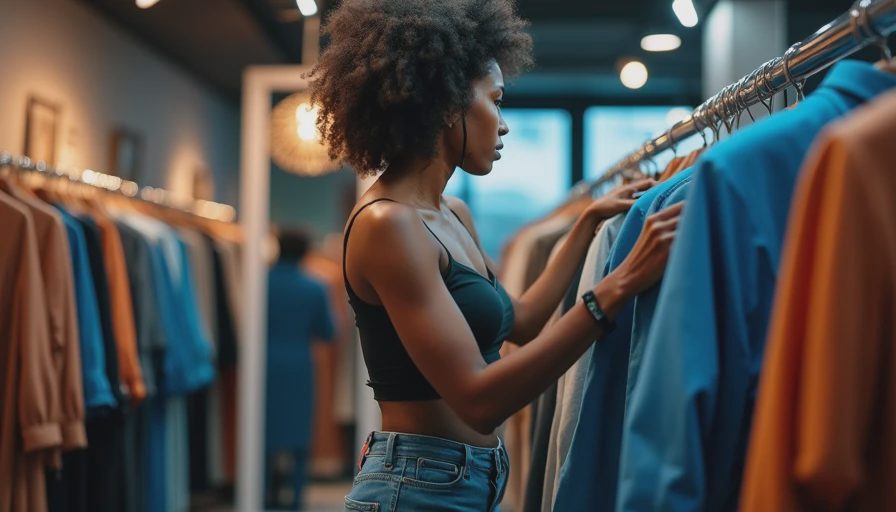
Fabric matters, too. Cotton poplin has little forgiveness, while ponte, stretch denim, and a quality rayon blend can accommodate movement. Check fiber content, seam finish, button spacing, and whether the lining pulls when you sit. Those details tell you more about longevity than a polished product photograph.
Brands and shopping strategies worth your time
Universal Standard is known for carrying an extensive size range with consistent design language, which makes comparison shopping easier. Eloquii often builds specifically for plus-size proportions and offers workwear with structure, though individual styles still require measurement checks. Torrid remains useful for denim, knit tops, and extended sizing, but fit can vary between collections. Lane Bryant can be a practical source for bras, trousers, and office basics when the cut matches your proportions. Old Navy Plus offers accessible pricing, but inspect fabric weight and construction because lower prices can come with thinner materials.
I would rather see you buy one $90 pair of trousers that survives two years of workdays than collect three $35 pairs that twist at the knee after four washes. Before ordering, check the size chart, garment measurements, fiber content, and return terms. Save notes about which brands fit your shoulders, bust, and rise. Your personal fit record is more useful than a universal label.
A size sixteen woman shopping online should also read reviews for specific clues. Ignore vague comments such as “runs weird.” Look for details like “the waistband stayed flat when seated,” “the sleeves were narrow,” or “the fabric became sheer under office lighting.” Those observations help you predict construction and proportion.
Building a professional wardrobe without body policing
A strong work wardrobe starts with reliable shapes, not rules about what someone is supposedly allowed to wear. Try a jacket with enough bust room, straight-leg trousers with a stable waistband, a knit shell that does not ride up, and a dress with a defined shoulder seam. Add color, texture, and prints because your wardrobe should communicate your taste, not somebody else's anxiety about your body.
For a size sixteen woman, a useful capsule might include two trousers in different fabrics, one unlined jacket for movement, two washable tops, a knit dress, and comfortable loafers or boots. Choose pieces that can survive commuting, meetings, lunch, and sitting. If a top needs constant adjustment, it is not a wardrobe essential no matter how attractive the hanger looks.
A better way to shop your next size sixteen outfit
Before buying, write down the job the garment must perform. If it is for presentations, test arm movement and microphone access. If it is for travel, sit in it for ten minutes and check wrinkle recovery. If it is for daily office wear, inspect the seams and washing instructions. These small tests prevent expensive optimism.
Remember that a size sixteen woman does not need to earn clothes through a different body. She needs brands that understand pattern grading, retailers that publish useful measurements, and garments made with enough fabric in the places real movement requires. When a label fails, blame the label. When a sleeve twists, blame the sleeve. The industry's shortcuts are not your assignment to solve.
Start with measurements, compare garment specs, and keep the pieces that let you work, move, and take up space comfortably. That is fit. Everything else is marketing noise.



No notes yet — write the first one.